
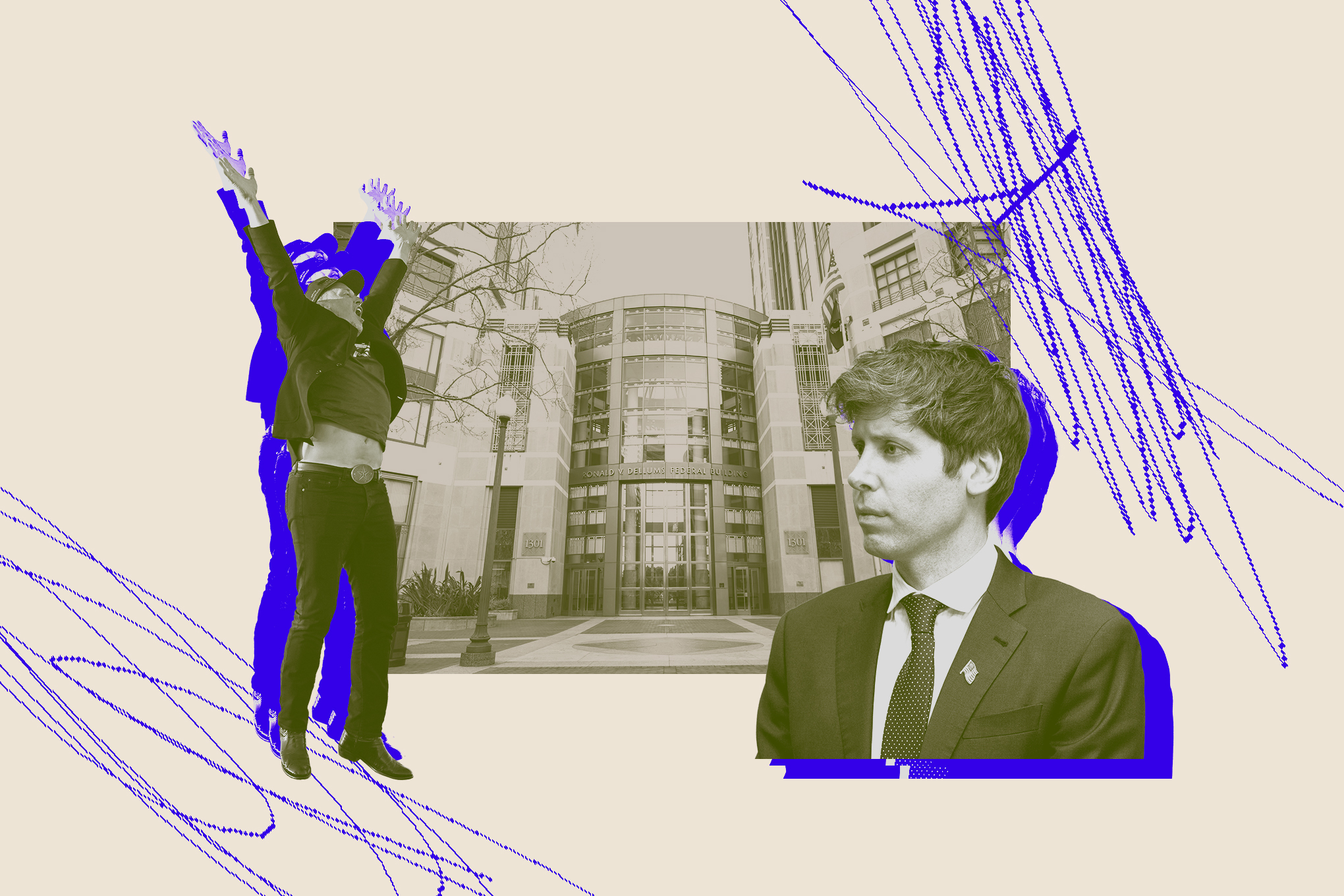

Forget the jury—Musk v. Altman is all about the court of public opinion.
Elon Musk cofounded OpenAI but left after not becoming CEO, allowing Sam Altman to take charge. Now, Musk’s lawsuit is set to go to trial in Oakland, California, on April 27th. The legal case theoretically revolves around OpenAI allegedly defrauding Musk, but it’s more about the public spectacle.
Musk’s legal strategies against OpenAI have included claims from breach of contract to unfair business practices. He and Altman will testify amid delicate timing, with Musk’s xAI, now part of SpaceX, filing for an IPO. OpenAI is also rumored to be considering its own IPO, with billions at stake.
Amidst the legal battle, internal tech gossip has surfaced. Although not part of the trial, stories about Musk’s alleged “rhino ket” use have appeared because of its mention in court documents. There are also diary entries from OpenAI President Greg Brockman and embarrassing texts involving Mark Zuckerberg.
The case reaching trial is considered a win for Musk, who seems intent on damaging OpenAI’s reputation, aided by lawsuits, public comments, and a rumored dossier on Altman’s behavior circulating in Silicon Valley. Musk v. Altman went to trial mainly because Musk can afford to pursue a weak case, according to Sam Brunson, a law professor at Loyola University.
High-profile AI leaders, including Microsoft’s CEO Satya Nadella and CTO Kevin Scott, are expected to testify, along with former OpenAI executives like cofounder Ilya Sutskever and Mira Murati. Former board members linked to Altman’s 2023 ouster could also take the stand.
For Musk, lawsuits appear to be a favored alternative to therapy. He has pursued multiple suits against perceived adversaries, including a dismissed suit against a nonprofit and against the law firm that forced him to complete his Twitter acquisition. Tesla and SpaceX frequently face litigation, and Musk is involved in personal legal disputes related to his family.
Musk filed four lawsuits against OpenAI. The first, concerning a breach of the founding agreement, was quickly withdrawn before a crucial hearing in 2024. The current lawsuit, filed the same year, accuses OpenAI of deceit. Some claims, such as racketeering, have been dismissed. Another suit alleges Apple and OpenAI engaged in anticompetitive behavior, while a fourth, which accused OpenAI of poaching employees and stealing secrets, was dismissed.
At trial, Musk will argue that Altman and Brockman breached OpenAI’s charitable trust and committed fraud. He claims he was misled into funding OpenAI under unfulfilled terms, demanding their removal from leadership, financial compensation, and structural changes.
OpenAI argues Musk has not proven that Altman and Brockman made him any actionable promises. They highlight that Musk did not intervene during OpenAI’s 2025 recapitalization process despite an available opportunity. OpenAI portrays Musk’s actions as a vexatious attempt to gain a competitive edge using the courts.
OpenAI might defend its actions by stating that it had contingency arrangements due to Musk’s withdrawal of promised funds, as explained by Peter Molk from the University of Florida. However, such defense may not stand if agreements were broken.
Trial revelations could impact OpenAI’s reputation, especially if it’s portrayed as straying from its mission to make AI safe. Since the lawsuit, OpenAI’s reputation has suffered from various lawsuits, leadership changes, and competition from Anthropic.
Testimonies have revealed concerns about competitors and personal conflicts. For example, Altman reportedly didn’t inform the board about his private VC fund involvement, leading to internal tension.
Some of Musk’s claims, like removing executives or altering business structures, may be unrealistic. Even without achieving these outcomes legally, the suit could damage OpenAI, jeopardizing its IPO and shareholder confidence in Altman’s leadership amid past allegations.
Musk’s strategy seems less about courtroom victory and more about harming OpenAI’s current structure, possibly to leverage against Altman’s position without winning the case.
Musk’s xAI project directly competes in the same markets as OpenAI. By pursuing litigation, Musk may incur economic damage, distraction from IPO preparation, and reputational harm to OpenAI.
Musk’s maneuvers against OpenAI have sparked counteractions, such as OpenAI refuting Musk’s claims of demanding substantial equity and control alongside merging with Tesla. Legal depositions have probed into Musk’s personal escapades as a retaliatory tactic.
OpenAI races SpaceX and Anthropic to an IPO amid immense investor pressure to generate revenue with high expectations from billion-dollar investments. Questions around executive actions and leadership could derail OpenAI’s IPO plans.
Musk’s SpaceX is also eyeing an IPO, and revelations in the trial could influence investor perceptions. Recruitment efforts and personal ties in Musk’s network could be exposed, affecting stakeholder trust.
Sensitive elements touching on Musk’s