
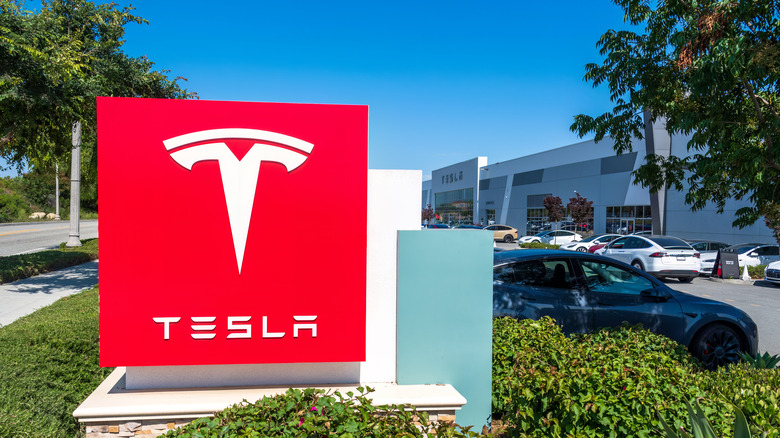

Tesla’s lithium processing facility in South Texas has faced allegations of disposing waste into a nearby ditch. The site, spanning over 1,200 acres, was unveiled in 2023 and commenced operations at the beginning of 2026. One of its goals is to boost lithium production for Tesla’s vehicle batteries, such as those for the Model S and Model X. The allegation was first raised in January, but Tesla maintained that a year earlier, the Texas Commission on Environmental Quality (TCEQ) granted a permit to use the unspecified ditch for waste.
In a letter dated January 26, Jason Bevan, the Senior Manager of the Corpus Christi Site Operation, expressed his willingness to engage with Texas officials on the matter. Nevertheless, Bevan reiterated the TCEQ’s ruling to justify any assertions of contaminants in the ditch. Local media have been unable to secure a comment from Tesla on this issue in the meantime.
Bevan also referenced Tesla’s prior involvement in broader environmental initiatives, such as Earth Day Bay Day and the Big Shell Beach Cleanup, to illustrate that Tesla is “committed to being a good neighbor.” Reports from local news outlets, including Kris-TV, an NBC affiliate, indicated that the waste appeared significantly worse than Tesla or state records currently suggest.
Claims of dark and murky water from Tesla pipe
Steve Ray, a drainage consultant, remarked in an interview with Kris-TV that the waste “was very dark and murky. I would describe it as actually black. We normally observe clear running water, so we were unsure what it was.” The ditch discharges into a vulnerable area, Baffin Bay. Should Tesla release a substantial quantity of waste into the ditch, either intentionally or accidentally, it could lead to an ecological disaster.
However, the two investigations launched concerning the ditch were concluded in February. Both TCEQ reports suggested that the wastewater was clear, and no violations were recorded from those investigations. Since February 26, Tesla has not been subject to any further scrutiny by the environmental agency, with no updates provided. The most recent complaint in the vicinity targets a portable toilet company for sewage disposal.
Nonetheless, Nueces County officials involved have stated that they were not informed about the pipe, despite evidence to the contrary. According to the permit itself, Tesla was prohibited from using “private or public property” for waste disposal. The pipe in question is said to traverse areas classified as out of bounds for the district.
Tesla water issues come as Corpus Christi suffers drought
This situation arises as Corpus Christi struggles with a drought. The water supply issues facing Texas’s eighth-largest city are compounded by weather conditions and local industrial activities. A CNN report indicated that the city could have only a few months of water remaining, with one individual likening it to “a lawn.” The city has now activated a Stage 3 Drought Status, imposing restrictions such as a ban on lawn watering and limiting car washing to a five-gallon bucket. Water shortage levels reached 7.8% as of April 20.
In 2022, Tesla stated that its lithium plant required between 400,000 to 800,000 gallons of water daily for operations. Projections from its former consulting firm, Raftelis, indicated that this figure could rise to 8 million gallons by 2026. This raised concerns among local residents before the plant was erected, but the company may now find itself at the heart of the issue.
Musk’s other facilities are also contributing to water-related problems. Boxtown, in Memphis, is experiencing difficulties since xAI established an AI data center in the area (this is Musk’s artificial intelligence firm that operates Grok). Inhabitants report that the Colossus plant is “poisoning” them due to the use of gas generators for power. In March 2025, the Environmental Protection Agency announced plans to dismantle the protections that Boxtown could have leveraged, and it has recently completed the removal of the “Obama-era 2009 Greenhouse Gas (GHG) Endangerment Finding” along with other strategies aimed at combating climate change.