
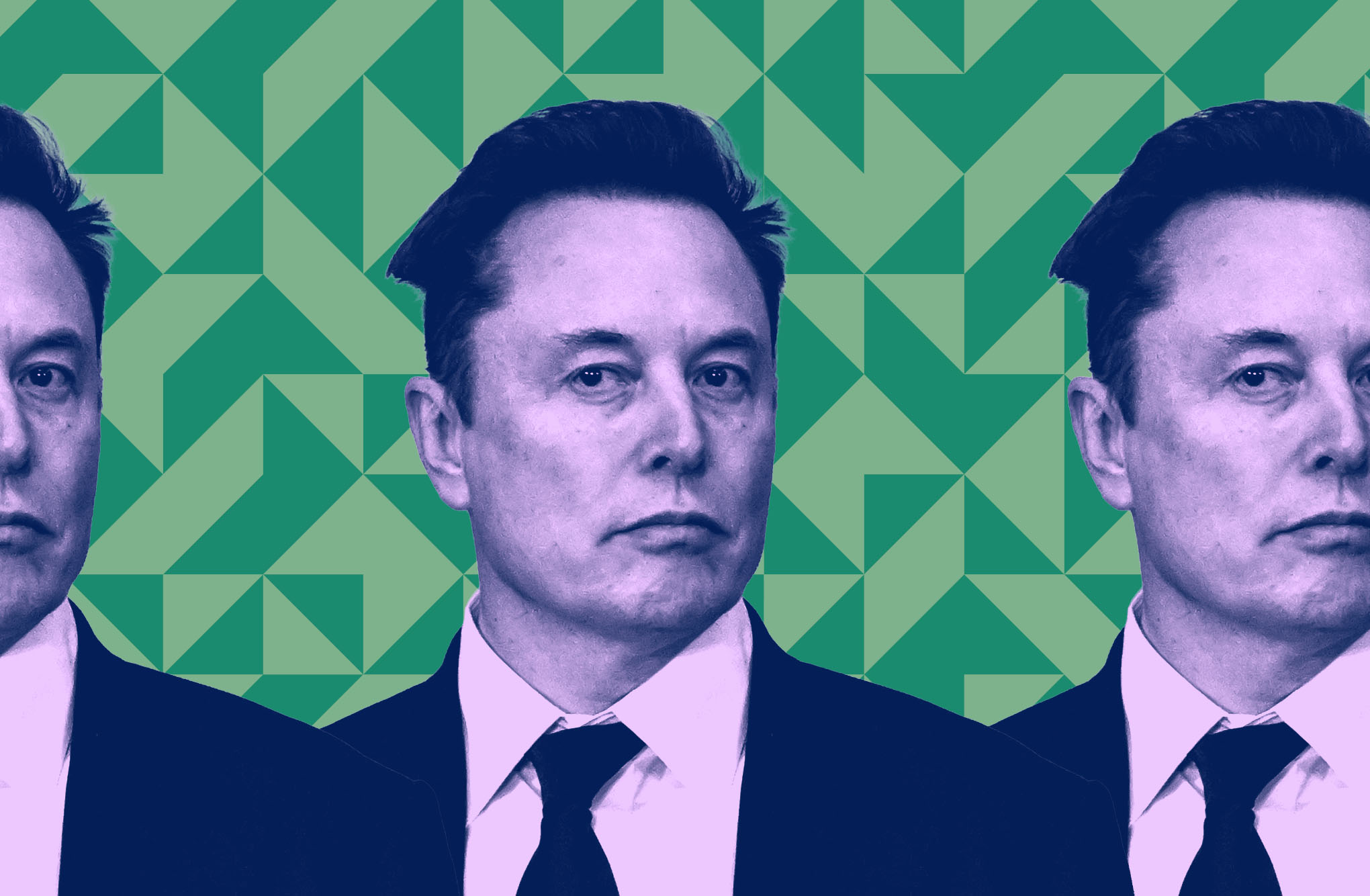

In his testimony, he portrayed himself as a generous hero, contrasting with the defendant, Sam Altman. On the stand, Elon Musk positioned himself as a savior. During the trial between him and fellow OpenAI co-founder, now CEO, Sam Altman, Musk began by discussing his background, tracing back to his upbringing in South Africa and his journey to Canada for college with “2,500 in Canadian travelers’ checks and a bag of clothes and books.” He elaborated extensively on his past, from Zip2 to PayPal, to the current companies he leads.
Musk, possibly the world’s wealthiest person, emphasized that his ventures aimed to benefit humanity. He described SpaceX as “Life insurance for life as we know it” and Tesla as a response to the environmental threat of fossil fuels, though he dubiously claimed to have founded Tesla.
Expressing concern over AI since college, Musk presented it as a “double-edged sword” with the potential to either advance prosperity or pose existential risks. He envisioned AI’s future as either a utopian Star Trek-like scenario or a dystopian Terminator one, highlighting OpenAI’s founding motives.
Musk cast himself as the heroic figure, caring for humanity, suggesting Altman is the opposite. This may be an effective contrast with Altman’s less magnanimous background co-founding Loopt and working at Y Combinator.
Musk accused Altman of theft, arguing it could set a dangerous precedent if deemed acceptable to “loot a charity.” However, Musk did not mention that most of his foundation’s donations have benefited his own interests.