

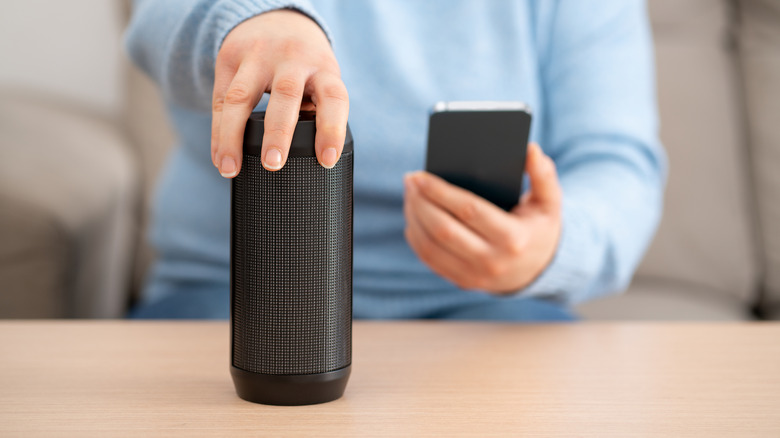
Cunaplus_m.faba/Getty Images
Disrupted connections, choppy sound, and possibly the most infuriating issue of all, trying repeatedly to connect a new device to no avail: For a technology that has been around for nearly thirty years, Bluetooth can be quite frustrating. Although it has undoubtedly advanced over time, it remains inconsistent and unreliable in numerous (regrettably rather common) situations.
You might argue that much of this inconsistency isn’t solely Bluetooth’s responsibility. It’s attempting to perform a challenging task in an increasingly congested environment. Governed by an organization known as the Bluetooth Special Interest Group (SIG), Bluetooth is persistently being competed against by other signals and emerging technologies.
That being said, one of the primary challenges with Bluetooth isn’t precisely the SIG’s concern: It boils down to signal interference. Bluetooth functions on the 2.4GHz frequency band, which is also saturated with signals from everything ranging from Wi-Fi to wireless devices using their own specific adapters, and even older devices like microwaves. Frequency hopping, a method where a signal rapidly changes channels within the 2.4GHz band, can alleviate some of these challenges. However, Bluetooth will perpetually grapple with interference and data loss.
Bluetooth: the silent force behind the scenes
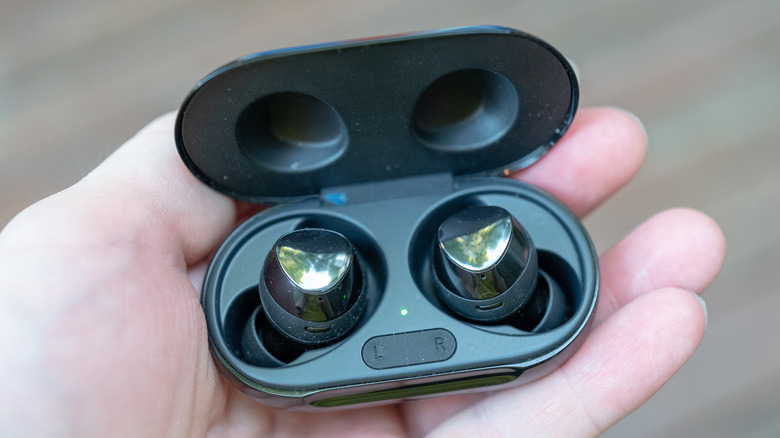
Danielle DeGroot/Unsplash
Bluetooth serves as a crucial link between devices, enabling communication and interaction perhaps more seamlessly than any other wireless technology. Yet its inherent limitations lead to complexities, often resulting in frustration for users who expect a flawless experience.
As more devices adopt Bluetooth technology, efficiency and performance can suffer due to increased demand on the available bandwidth. It begs the question: Is the future of Bluetooth sustainability in jeopardy, or can advancements in technology help mitigate these issues?