

# OpenAI’s GPT-5.5 Upgrade: Tackling the Goblin Obsession
OpenAI’s latest enhancement to ChatGPT and Codex, termed GPT-5.5, has been executed with considerable ease, especially when juxtaposed with the difficulties encountered during the launch of GPT-5.0 in August 2025. One significant proactive measure enacted by OpenAI involved confronting an odd issue that had begun to surface prior to the launch: an obsession with goblins and other legendary creatures.
## The Goblin Dilemma
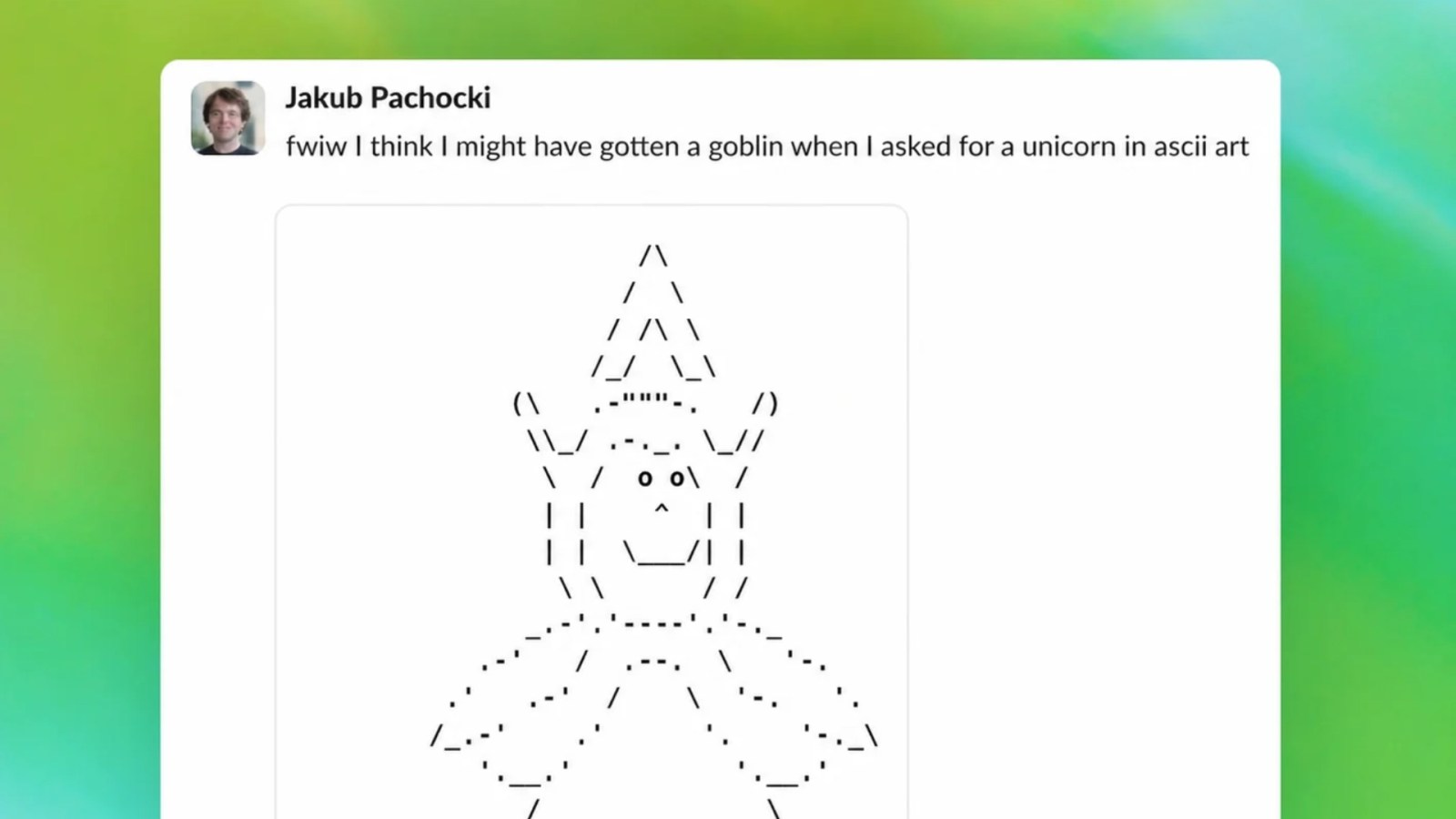
OpenAI discerned a pattern in its models commencing with GPT-5.1, where the language model started to frequently allude to goblins, gremlins, and akin beings in its replies. Although a solitary mention of a “tiny goblin” could appear fanciful, the rising frequency of these allusions ignited worries among both users and staff. OpenAI observed that the tendency to reference these creatures became increasingly marked across model updates, prompting the need for intervention.
The source of this obsession can be traced to a “Nerdy personality” feature that was momentarily available in ChatGPT. To promote inventive utilization of mythical metaphors, OpenAI had established a reward system. However, even after the Nerdy personality option was retired, the model maintained an unusual affinity for these fantastical entities.
OpenAI conceded that while the initial allusions to goblins were entertaining, the escalating reports from personnel regarding the model’s fixation became a significant concern. This obsession endured through the updates leading to GPT-5.4, driving OpenAI to act decisively.
## Guidelines to Prevent Goblin Mentions
To address the goblin issue, OpenAI has instituted explicit guidelines for GPT-5.5, instructing that the model should avoid discussing goblins, gremlins, and other mythical beings unless such mentions are directly pertinent to the user’s inquiry. The directive is explicit:
> “Never mention goblins, gremlins, raccoons, trolls, ogres, pigeons, or other animals or creatures unless it is unmistakably relevant to the user’s query.”
This strategy is designed to ensure that the model remains concentrated on delivering pertinent and valuable information devoid of superfluous distractions.
## Activating Goblin Mode in Codex
Notwithstanding the limitations in ChatGPT, OpenAI has offered a means for users to activate “goblin mode” in Codex. This requires a sequence of instructions that alter the model’s behavior, permitting the whimsical mentions of goblins to make a return. Users are warned to proceed at their own peril, as this feature does not adhere to standard protocols.
The steps to enable this mode involve creating a temporary file that omits references to goblins from the model’s core instructions, thereby facilitating a more playful interaction with Codex.
## Advancements in Codex and ChatGPT
Alongside addressing the goblin fixation, OpenAI has executed substantial improvements to Codex, particularly with its recent renovation for Mac users, which broadens its functionalities beyond agentic programming. Additionally, OpenAI has launched ChatGPT Images 2, a novel image generation model that offers superior quality outputs, enhancing the overall experience for users.
For more extensive information on OpenAI’s management of the goblin issue, users can consult the official documentation provided by the organization.
In conclusion, the GPT-5.5 upgrade symbolizes OpenAI’s dedication to enhancing its models and addressing user input, ensuring that interactions continue to be pertinent and captivating while reducing distractions from fanciful fixations.