
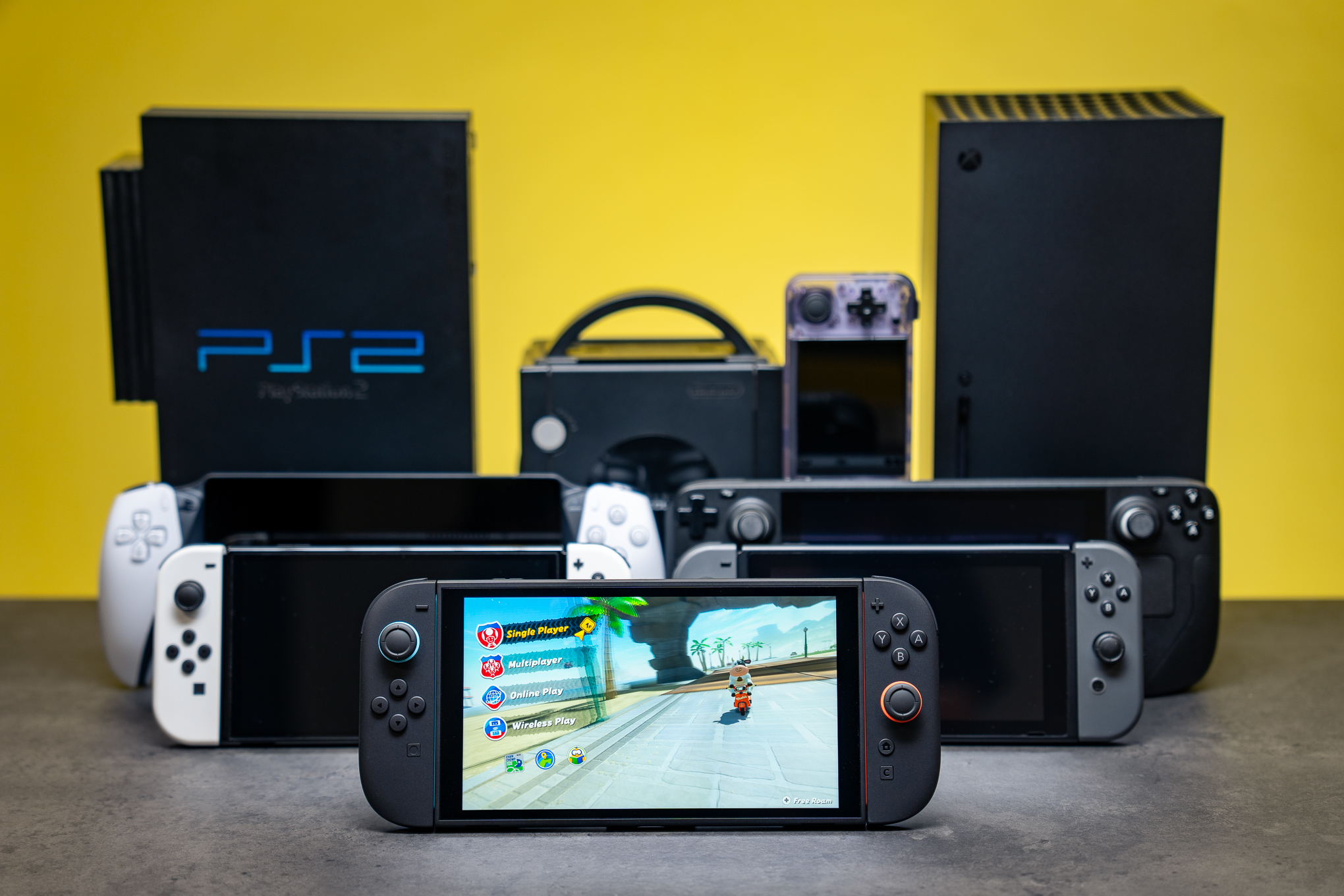

Nintendo has capitulated and increased the Switch 2’s price. This is significant. Recently, Nintendo announced a surprise remake of Star Fox 64, rejuvenating the series and bolstering the Switch 2’s lineup. However, on Friday, news emerged that the Switch 2 would soon be $50 more expensive. Previously, Nintendo resisted the trend of rising console prices driven by tariffs and a global memory shortage, positioning gaming consoles as niche luxury items.
Price increases are now common for gadgets, with consoles highly visible in this trend. Devices historically became cheaper, but now the reverse is true. Microsoft hiked Xbox prices, and Sony increased PS5 costs multiple times. Even budget devices like the Nex Playground have risen in price. Nintendo resisted as long as possible, given the Switch 2 is under a year old. They initially raised prices on predecessors and accessories, while suing the US over tariffs.
The Switch 2’s price will soon go up, starting May 25th in Japan, and September 1st elsewhere, impacting the holiday sales period. Despite rising hardware costs and industry challenges like layoffs and cancellations, Nintendo launched a new console successfully, selling close to 20 million units and 15 million copies of Mario Kart World.
Nintendo’s decision to increase the Switch 2’s price might slow its momentum, despite hopes for strong holiday game releases before September. The rising cost of the Switch 2—a less powerful device at $500—begs questions about future premium hardware pricing. As Microsoft hints at their next Xbox and Valve’s Steam Machines loom without prices, luxury console gaming remains uncertain.
Nintendo announced price changes due to persistent market shifts. This likely extends over the medium to long term. The real question is how much console gaming will survive by the time the situation improves.