

New emoji, AI widgets, and AirDrop for (almost) everyone.
Would it shock you to hear that Android 17 is filled with new AI-enabled features, like improved dictation and vibe-coded widgets? Fortunately, that’s not all. The platform is getting non-AI updates too, from an emoji overhaul to a new screentime tool that helps you avoid distracting apps.
Google has just revealed the biggest changes coming in its next OS update as part of its dedicated Android Show, ahead of next week’s big I/O developer conference. The Android software updates came alongside a tease of upcoming Android-powered Googlebook laptops and a host of Android Auto updates. Here are all the new updates that matter and when you can expect them to arrive on your phone.
All-new emoji
Google has overhauled Android’s emoji set — all 4,000 of them. The new emoji are a little more three-dimensional, with depth and detail lacking in the cartoonish versions they’re replacing.
The new emoji will arrive on Pixel phones first, later this year.
Pause Point
This is Google’s latest attempt to inject a little extra digital well-being into the Android experience. Once you label certain apps as “distracting,” Pause Point will pop up anytime you try to open one. It won’t stop you using the app, but it will make you wait through a 10-second timer, with prompts to try breathing exercises or open a more productive app instead — the idea being that it’ll give you a moment to realize you don’t really need to doomscroll Bluesky right now after all.
It also lets you set a timer for how long you want to use the app each session, and it has just enough friction to stop you swiping the timer away: It’ll take a full phone restart to turn Pause Point off.
Screen Reactions
Google wants to make it easier for budding content creators to put together reaction videos dunking on the rest of the internet. With that in mind, it’s rolling out Screen Reactions, which lets you record video from your selfie camera and what’s on your screen at the same time, all “in just a few taps.”
You can record any onscreen content — photos, videos, webpages, and more — and you’ll appear as a cutout in front of it. Screen Reactions will launch on Pixel phones first, sometime this summer.
Even more AirDrop
After making Android’s Quick Share interoperable with Apple AirDrop late last year on some Pixel and Galaxy phones, Google says support for the feature will roll out more widely this year, including to phones from Xiaomi, Honor, and OnePlus, in addition to already announced support from Oppo and Vivo.
For phones that aren’t compatible, starting today Google is adding the ability to use Quick Share to generate a QR code that iPhone users will be able to scan to receive a file directly to their iCloud storage. Later this year, Google says it will add Quick Share and AirDrop support directly into certain apps, including WhatsApp.
Easier switching from iPhone
Google and Apple have been working together for some time on easier ways to switch from one platform to another. Apple did its part in iOS 26.3, adding support for a new wireless way to transfer files, contacts, messages, homescreen layouts, and eSIMs from an iPhone to an Android device.
It still doesn’t actually work, though, because it requires a compatible Android 17 device to transfer all that to. Google says support will finally arrive this year, starting with Pixel and Galaxy phones.
And now the AI stuff. Rambler is one of a few new Android features that Google is branding under “Gemini Intelligence,” and which will roll out to “the latest Samsung Galaxy and Google Pixel phones this summer.”
Rambler is one of the more interesting of the bunch. It’s a smart real-time transcription tool that will not only cut out filler words like “um” or “ah” from your speech, but will also make your message more concise and correct any errors.
In a demo during a press briefing, Google showed the ability to dictate a shopping list to send in a text message. Rambler not only generated an accurate list, but when the Google rep asked for bananas and then later changed his mind, it knew not to include them at all in the final list. It sounds especially good for the multilingual among us since it can switch between multiple languages in the same message.
AI-generated widgets
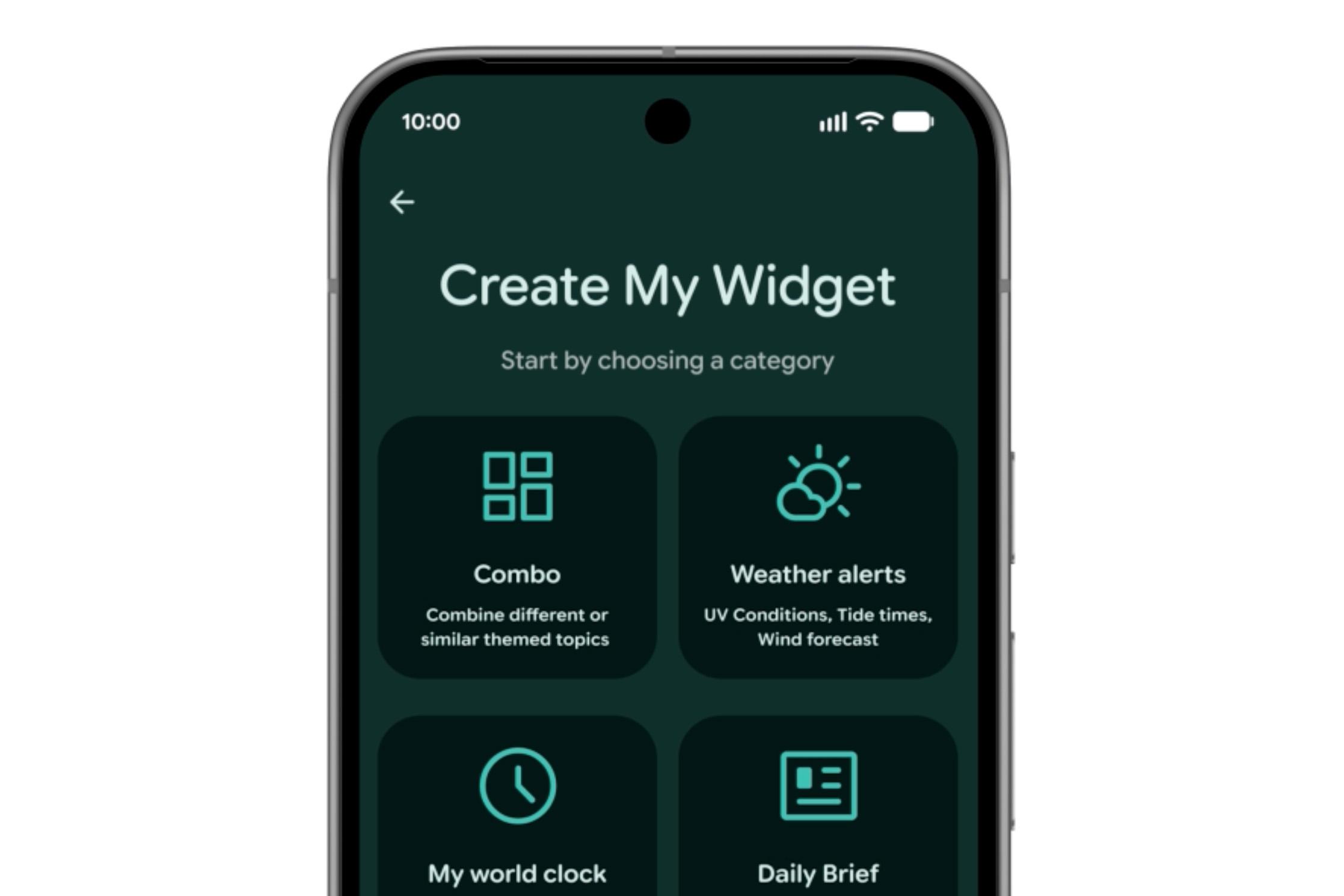
Google must have been impressed by Nothing’s vibe-coded Essential App widgets because it’s introducing its own take on the concept as another Gemini Intelligence feature.
Create My Widget lets you build custom homescreen widgets from natural language. Google suggests a meal planner that recommends protein-heavy recipes, a weather widget for cyclists that prioritizes displaying wind speed and rain, or a live feed of upcoming shows at a local concert venue.
Like Rambler, this will come to select Galaxy and Pixel