
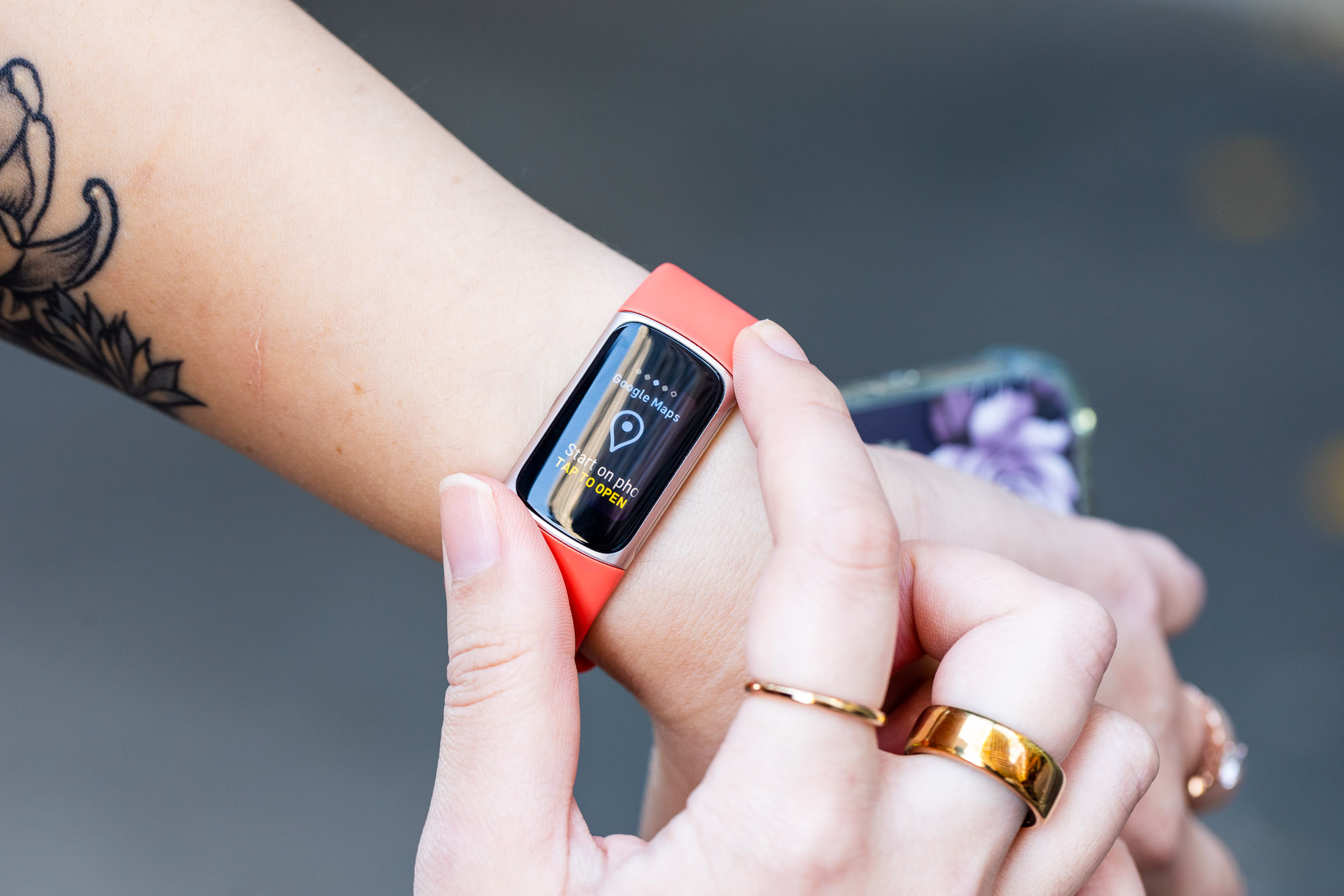

It’s the close of Fitbit as we once knew it.
A fitness band aims to improve oneself casually. Lightweight and simple, it’s more affordable than smartwatches, providing steps, basic heart rate, and sleep tracking. Unlike today’s wearables, a fitness tracker wasn’t meant to be a phone companion with the overwhelming features it entails; it was about movement.
Ten years ago, Fitbit excelled at this.
Fitbit was the Kleenex or Band-Aid of wearables, a brand synonymous with its category. While Jawbone, FuelBand, or Mio Slice aren’t memorable, Fitbit became a household name for fitness bands.
Since Google’s acquisition in 2021, Fitbit hasn’t been the same.
The distinction between Fitbit and Google’s products has been blurred. Google first treated Fitbit and Nest as separate entities but gradually integrated them. Users moved accounts from Nest to Google, evolving from Nest by Google to Google Nest. Nest’s app remains in maintenance mode, incompatible with new products.
With Fitbit, Google experienced server outages, and users were upset when social features were removed. In 2023, managing multiple product lines was tricky. Google’s 2022 Pixel Watch joined Fitbit’s Versa 4 and Sense 2, making differentiations confusing. The Fitbit Charge 6 followed but was soon succeeded by this week’s Fitbit Air announcement (excluding the kids’ Ace LTE).
Fitbit became ‘Fitbit by Google,’ prompting users to migrate accounts to Google. The Air is now the Google Fitbit Air, and by May 19th, the Fitbit app will be replaced by a Google Health app with a multicolored heart icon.
“Fitbit’s core is a tracker accessible to everyone,” says Rishi Chandra, Google’s VP of health and home. “Launching new hardware took time because we didn’t want just another tracker.”
Google aligns Fitbit Air with its Health Coach and Health app. But perhaps a Pixel Band would have sufficed?
“Pixel caters to Android only,” Chandra clarifies. “It’s high-end, but Fitbit works with iOS and Android from the start.”
Chandra highlights differing targets for Google’s wearables: Fitbit as entry-level and Pixel as premium Android-exclusive. Yet, Fitbit’s essence blends into Google’s ecosystem.
This transition was expected but bittersweet for an iconic brand. Fitbit faced challenges even before Google’s acquisition. By 2021, Fitbit struggled in the smartwatch market overshadowed by Apple, Samsung, and Garmin. Cheaper Chinese trackers further eroded its market position.
Now, the narrative shifts as people express fatigue from smartwatches and seek simpler wearables like Whoop and Oura. Even as technology advances, overstimulation concerns encourage comfort-driven wearables, a move Google recognizes by returning to Fitbit’s role as a basic fitness band.
The Fitbit Air isn’t standalone; it’s packaged with Google Health Coach. AI aids data interpretation, oversimplifying health insights. While Chandra underscores this approach, the challenge is making AI as intuitive as old Fitbits without data overload.
In 2015, the Fitbit Charge HR started my journey with trackers, allowing personal insights and logging significant life events like health diagnoses and notable incidents. The process was tedious but insightful. Today’s AI solutions leave me questioning if they oversimplify or misrepresent personal contexts previously inferred through simpler devices.
There’s a longing for the simplicity of older Fitbits, and I’m not alone. Google acknowledges this. When Chandra discussed the Air with me, the focus was on addressing wearables’ bulk, complexity, and cost. However, the underlying issue is data fatigue. While AI promises streamlined insights, it doesn’t eliminate the complexity of handling vast amounts of data collected by modern devices.
Friends, peers, and colleagues often seek my view on this change. While keen to escape smartwatch excess, the old Fitbit way isn’t returning. We can expect something distinct, but that previous type of tracker has vanished.