
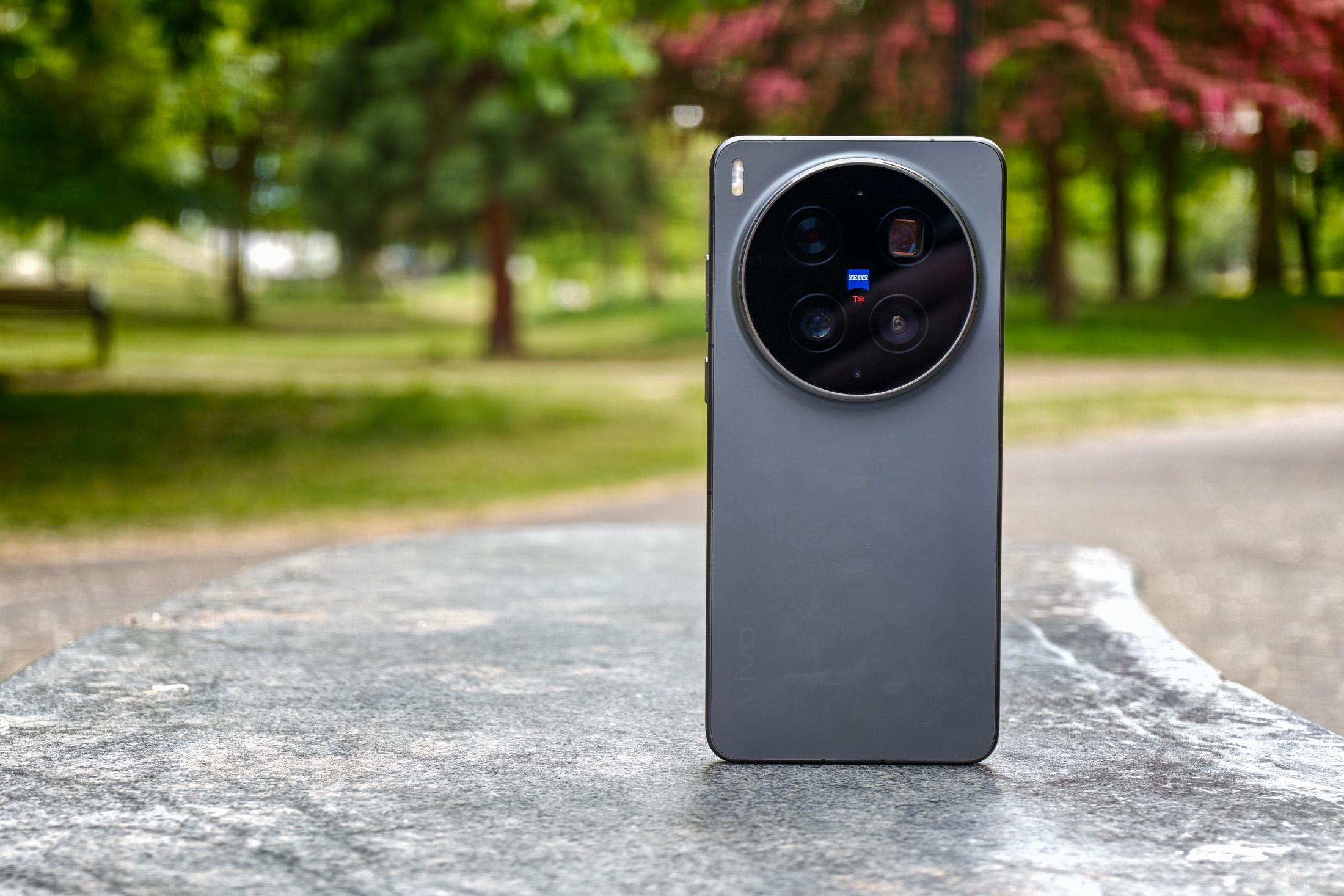

While competitors focus on telephoto innovations, Vivo’s phone offers three equally superb cameras. A few months ago, I argued that the telephoto camera is the most crucial lens in Ultra-class flagships. As phone technology advanced, manufacturers emphasized cameras, and telephoto lenses became a focal point. Recent Ultra phones from Xiaomi, Oppo, and Huawei highlight their telephoto capabilities. Vivo’s X300 Ultra takes a different route.
Vivo enhances its 35mm main camera instead of pushing telephoto extremes. This approach, paired with the top ultrawide camera and pro video features, creates a balanced camera system across all three lenses—offering versatility and usefulness over flashiness.
The 200-megapixel main camera with a 35mm focal length offers a natural perspective, a departure from wider norms, reminiscent of older phone cameras. The telephoto maintains its 85mm specs with sensor and processing tweaks for better performance. The ultrawide remains standout for its sensor size, surpassing even some main cameras of competitors.
Vivo’s selfie camera at 50 megapixels is less notable. However, the photos from the three rear lenses maintain consistency in quality under various lighting, supported by excellent color-processing and film simulations.
Vivo enhances video capabilities, targeting professionals with 4K, 120fps, 10-bit Log video, custom 3D LUTs support, and a Pro Video mode. Additionally, various camera accessories like telephoto extenders and stabilization cages expand its photographic capabilities, marketed as a semi-professional system.
The phone’s drab design is a downside. The black model appears uninspiring, and the raised camera island exaggerates its bulk, compounded by the removal of the physical shutter button.
Other specifications match Ultra rivals, including an IP68/69 rating, 6,600mAh silicon-carbon battery, and 144Hz OLED display. It features a Snapdragon 8 Elite Gen 5 chip, up to 1TB storage and 16GB RAM, and promises extensive Android updates. However, Vivo’s OriginOS, though improved, remains less refined compared to competitors, with a bland interface and bloatware.
Ultra flagships serve as tech showcases and define current flagship benchmarks. Vivo’s approach emphasizes a well-rounded camera experience over singularly impressive lenses. The X300 Ultra, unavailable in the US/UK but launched in Asia and parts of Europe, is priced at €1,999—a steep buy, akin to high-tier iPhones, with numerous accessory costs.
While not the best phone for its price, it boasts an excellent display, solid battery life, and top performance. However, its bulky, unappealing design and frustrating software are drawbacks. The Xiaomi 17 Ultra offers a more comprehensive package, but Vivo’s uniform lens quality and usability make a compelling case for camera enthusiasts. Choosing personally, I’d go with Xiaomi, but for camera prowess this year, Vivo leads.