

Google unveiled new Gemini Intelligence AI features during the “Android Show: I/O Edition” event on Tuesday, including AI-powered tasks across apps, web browsing, form completion, speech dictation, and Android widget creation through vibe-coding.
### Gemini gets more powerful
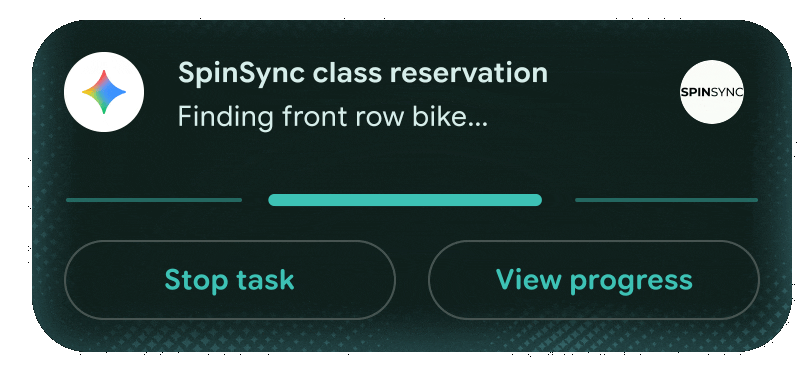
Previously introduced at the Samsung Galaxy S26 launch, Google’s Gemini showcased capabilities like ordering food and booking rides. The company announced upcoming features that allow Gemini to undertake complex tasks such as securing a front-row bike for a spin class, locating a class syllabus in Gmail, and searching for related books.
Google’s AI assistant can now manage multistep processes, like extracting a grocery list from a notes app and adding items to a shopping app cart by pressing the phone’s power button and describing the task while using the screen content as context. Gemini will await confirmation before completing any transactions.
An earlier experimental rollout enabled Gemini to browse the web and book appointments autonomously. This feature is now extending to Android, with Gemini arriving on Chrome by late June to assist in content summarization or question answering on web pages.
An additional feature, informed by Personal Intelligence, allows Gemini to fill out forms based on user details. This feature is optional, and users can disable it via settings.
Gemini is integrating into Android’s Gboard keyboard, introducing a multimodal capability called Rambler. Similar to features in other dictation apps, it transcribes speech in the user’s tone and formats it by removing fillers.
Vibe coding apps are gaining traction, and Google offers Android users a chance to build widgets using natural language prompts. For instance, users can create a meal planning widget by querying, “Suggest three high-protein meal prep recipes every week.”
Gemini’s concept of widget creation is not entirely new, as the hardware startup Nothing previously released a similar tool.
Google states that Gemini Intelligence will adhere to the Material 3 expressive design language. These AI features will debut on the latest Samsung Galaxy and Google Pixel devices this summer and will become widely available on other Android devices later this year.