
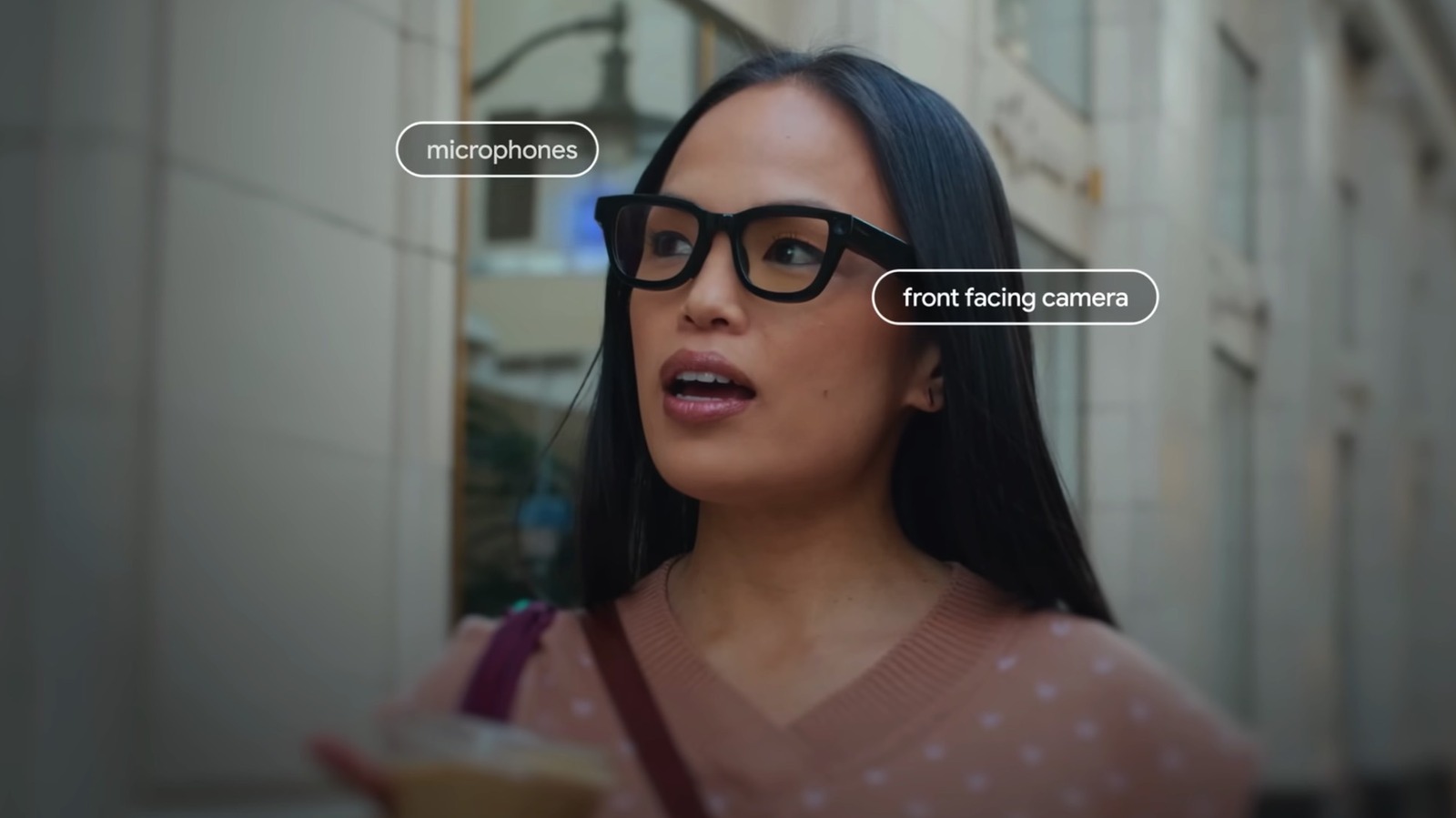

Google’s fascination with smart glasses is well known. The company introduced the Android XR platform in December 2024, showcasing smart glasses prototypes to a select audience. A few months later, Google was prepared for a more public demonstration of the Gemini features integrated into the Android XR platform, providing attendees at Google I/O 2025 a more extended preview of unreleased Google smart glasses. Then, in December 2025, Google organized a YouTube event to discuss AI smart glasses, revealing the bold Android XR smart glasses, Xreal’s Project Aura. The actual launch of Google smart glasses, which some Gemini enthusiasts might be anticipating, appears to be imminent. Google I/O 2026 could potentially be the venue for debuting the first models.
For almost two years, Google has stated that smart glasses are a vital part of its AI computing future, with AI becoming a cornerstone of Google’s product strategy since ChatGPT made waves in late 2022. Even if Google is not prepared for a commercial launch in May, it seems probable that Android XR will feature at I/O 2026, given the platform’s foundation is built around Gemini. The primary means of interacting with Google glasses, much like Ray-Ban Meta smart glasses, is through voice commands. Gemini can comprehend user speech and see what the user sees. Gemini is capable of interfacing with smartphone apps to conduct searches, translate languages and signs, read and send messages, initiate Google Maps navigation, and take photos and videos. Android XR spatial computers, such as Galaxy XR and Project Aura, can showcase a virtual desktop supporting Android apps, alongside Gemini integration.
Should Google not launch commercial products at I/O, a 2026 release still seems feasible, given Google’s own announcements and recent speculations.
The Android XR smart glasses experiences
Google has been hinting at several Android XR products since the unveiling of the Android XR platform. One of these is a complete rival to Apple Vision Pro, which became available commercially in late 2025. The Galaxy XR spatial computer that Samsung released in October 2025 is a headset designed to cover the eyes and project an augmented reality (AR) workspace over the user’s field of vision (as captured by outward-facing cameras). While Google supplies the software for this product, Android XR, the company isn’t creating a direct competitor to the Galaxy XR.
Google is keen on two forms of simpler smart glasses experiences in the near term. The company has demonstrated AI glasses that lack a built-in display and AI glasses with a screen in one lens, capable of showing content from a paired smartphone. Google also envisions a more ambitious design for wearable AI glasses, evidenced by Xreal’s Project Aura glasses, which were demonstrated last year. These smart glasses promise an experience akin to the Galaxy XR headset but do not cover the eyes like Samsung’s offering.
Google has confirmed several partners for its AI glasses, including Warby Parker and Gentle Monster. Kering is the latest eyewear brand associated with Google’s Android XR glasses initiatives. According to a Reuters report, Kering will manufacture luxury, Gucci-branded Android XR glasses in 2027. Additionally, Samsung may collaborate with Google on some of these devices while also launching its own AI smart glasses powered by the same platform. Android Headlines reported in late April that Samsung is working on two separate devices: Jinju (AI smart glasses) and Haean (AI display smart glasses). The latter is expected to launch in 2027.
What will be the price of Google smart glasses?
Pricing and actual release dates for Google AI glasses have not yet been disclosed. For context, the Galaxy XR headset retails for $1,799. This may represent the upper limit for Android XR hardware for the time being. Xreal’s Project Aura model will likely be less expensive than that, though it may still carry a hefty price tag. The Project Aura glasses connect to a portable puck about the size of a smartphone, which operates the Android XR operating system. Rumors suggest that Samsung’s Jinju might retail between $379 and $499, positioning it directly against Meta models. Jinju will allegedly feature a Snapdragon AR1 processor, a 12-megapixel camera, and a 155 mAh battery. The Haean model is anticipated to incorporate a display in one of the lenses, possibly priced between $600 and $900.
While these price estimates aren’t official at this writing, it’s probable that Google’s own smart glasses will be priced similarly to Samsung’s models. Given that Google, Samsung, and Qualcomm partnered years ago to create the Android XR experience, the resulting devices may share similar components and pricing structures. However, it’s uncertain how many distinct pairs of glasses Google will initially offer, considering its collaboration with various eyewear brands. Additionally, like Meta, Google may seek partnerships with other companies for different Android XR glasses in the future, alongside the three brands previously mentioned. More details may be revealed in