

Amazon Ring faced a high volume of customer support calls during the holiday season last year and chose Vapi, a startup, from over 40 AI voice vendors to manage inbound phone traffic. Now, Ring sends all inbound calls through Vapi’s platform. This adoption helped Vapi secure a $50 million Series B investment led by Peak XV Partners, valuing the company at about $500 million post-investment, according to a source.
Ring partnered with Vapi in mid-Q4 last year while considering whether to expand call-center capacity, depend more on automated systems, or use AI agents for natural customer responses, said Vapi CEO Jordan Dearsley to TechCrunch. Dearsley believes Ring selected Vapi due to the detailed control it offered over AI agent behavior during customer interactions.
Amazon Ring’s VP of software development, Jason Mitura, stated that customer satisfaction improved with Vapi’s platform and teams could adjust the AI agent experience independently of engineering. “Many AI tools promise great outcomes — Vapi has delivered them,” he noted.
Dearsley founded Vapi with Nikhil Gupta, his classmate from the University of Waterloo, evolving from an AI therapist Dearsley developed in 2023 for his walks. Though the therapy product itself had limited appeal, startups showed growing interest in its low-latency voice infrastructure, leading them to pivot to Vapi in 2024 with a public launch.
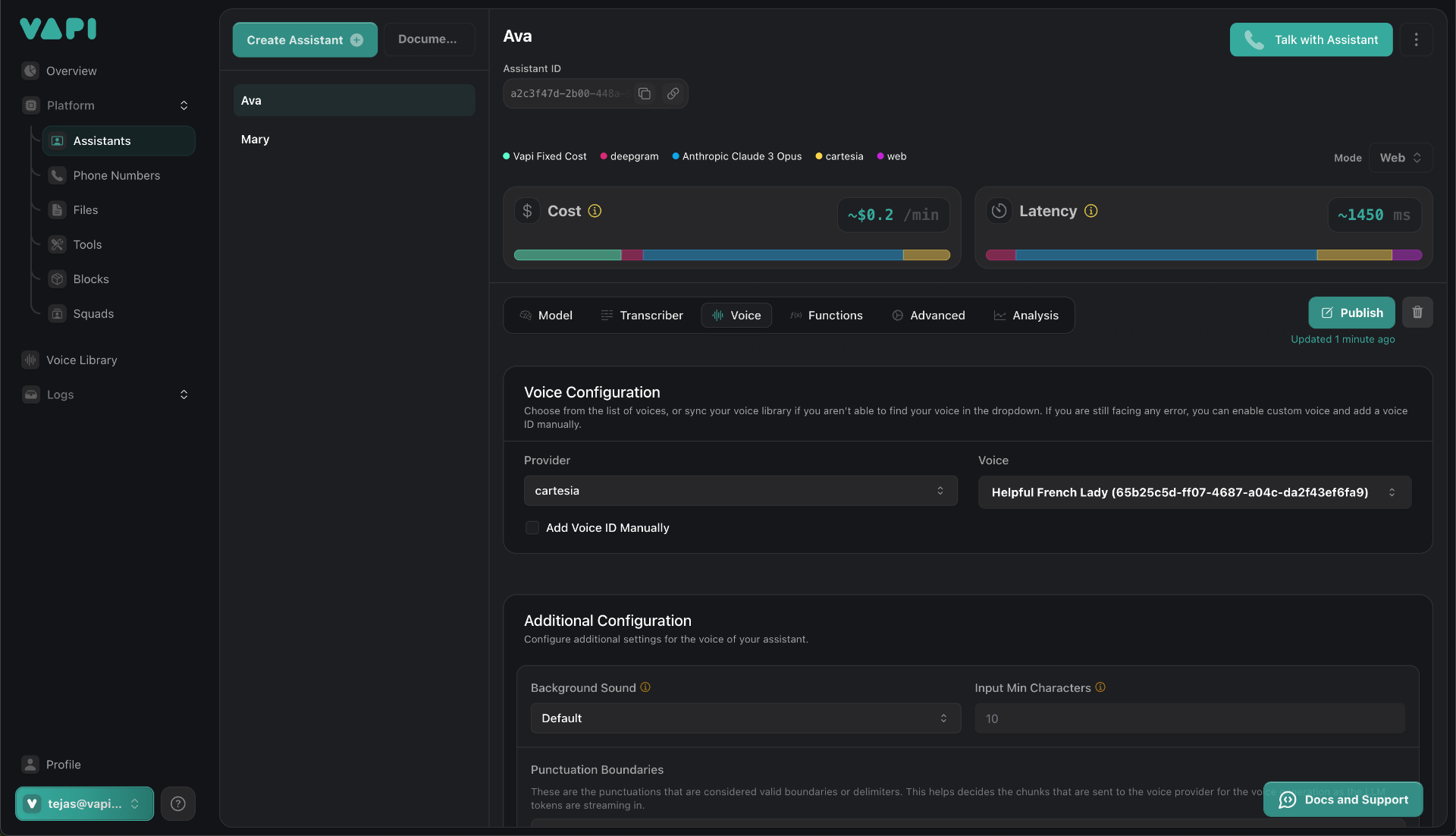
Vapi provides businesses tools to create, deploy, and manage voice agents for customer support, lead qualification, appointment scheduling, and outbound sales. The startup claims to have handled over 1 billion calls through its platform, with usage increasing as companies transition more customer interactions to AI systems. Dearsley shared that Vapi currently processes between 1 and 5 million calls daily, primarily from enterprise clients like Kavak, Instawork, New York Life, UnityAI, Cherry, and Intuit. Additionally, over 1 million developers have used Vapi’s self-serve platform.
“We began with self-serve, amassing a broad developer user base, which meant we had tested our systems extensively before signing our first substantial enterprise customer,” Dearsley commented.
Other investors in the Series B round included Microsoft’s M12, Kleiner Perkins, and Bessemer Venture Partners, raising Vapi’s total funding to $72 million. An investor source told TechCrunch that Vapi has an annual recurring revenue run rate in a “healthy” eight-figure range.
Vapi is part of a growing group of AI voice startups such as Sierra, Decagon, PolyAI, Bland, Retell, and ElevenLabs, all aiming to facilitate customer conversations with minimal human intervention. Dearsley noted that Vapi stands out by emphasizing the infrastructure and orchestration layer behind voice agents instead of pre-packaged applications, catering to enterprises that seek control over reliability, compliance, and model behavior.
With around 100 employees, the startup plans to use the new funds to grow its engineering, infrastructure, and marketing teams. “The key issue is transforming this indeterminate model into a manageable entity,” Dearsley said. “Achieving that can offer significant value.”