
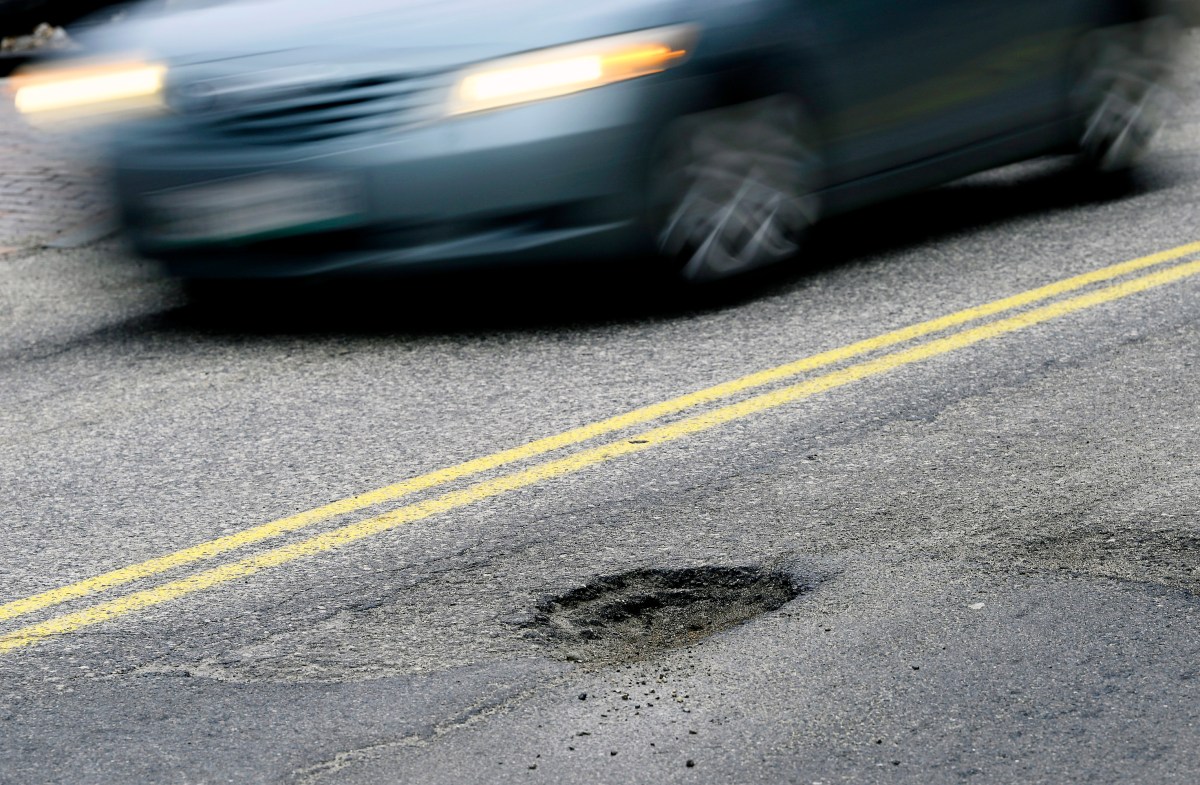

Potholes are a persistent problem — just ask Lime, the scooter company that listed them as an official risk in its IPO filing last week.
Despite numerous claims that technology can address potholes, they remain an issue. However, cars with advanced sensors are now tools that can alert cities to potholes and other problems.
Last month, Waymo and Waze began a pilot program to share pothole data with local governments. Now, fleet management company Samsara introduces its AI-powered “Ground Intelligence.”
Samsara has spent ten years equipping trucks with cameras for driver monitoring, theft prevention, and liability claims. The San Francisco-based company has modeled this data to detect different pothole types and deterioration rates.
Samsara argues its trucks are more widespread than Waymo’s 3,000 vehicles, allowing it to gather more comprehensive and repeat data on potholes over time.
This data is valuable to cities, with Chicago already a customer. It’s the first of many insights Ground Intelligence aims to provide, including detecting graffiti, broken guardrails, and low-hanging power lines, according to Johan Land, Samsara’s VP of product.
Land noted cities usually dispatch workers or sort through 311 calls to locate problems, leading to noise. Samsara offers a clearer signal quickly due to the numerous trucks and vans with its cameras.
Ground Intelligence operates like a dashboard, displaying warnings on maps for developing potholes and other issues. It permits cities to access anonymized footage from vehicle cameras to validate reports of issues like downed signs or clogged sewers.
“That’s the magic here,” Land said. “It turns a reactive process proactive, allowing cities to plan and fix multiple potholes efficiently.”
Samsara is also developing other uses for its surveillance network. It announced Waste Intelligence, simplifying how waste companies verify trash collection, and a ridership management tool to assist bus drivers with unexpected events and create digital manifests for school buses.
When you purchase through links in our articles, we may earn a small commission. This doesn’t affect our editorial independence.