
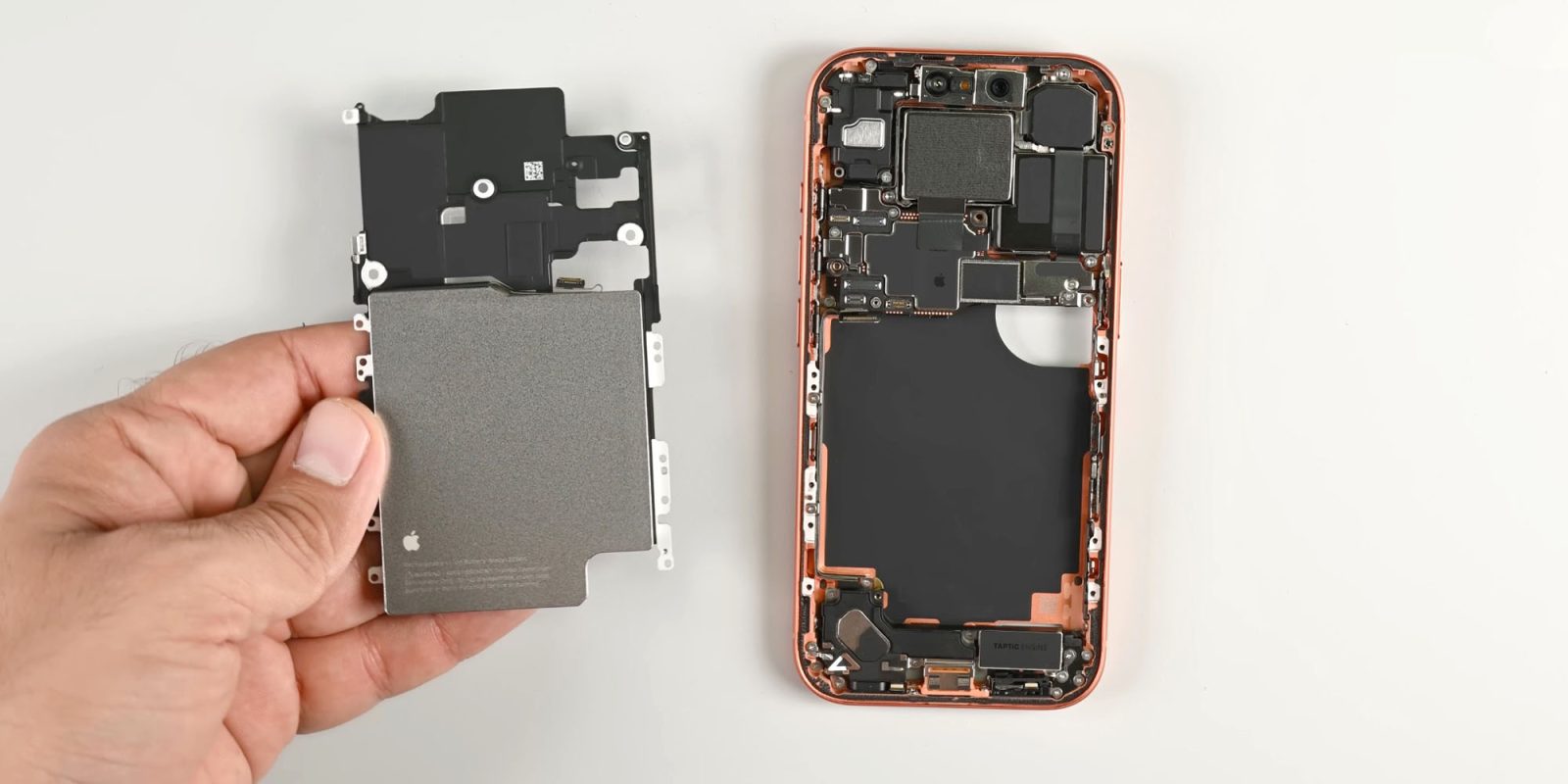

### Breakthroughs in Battery Technology: The Ascendancy of Silicon-Carbon Batteries
As progress in battery technology advances, the industry is experiencing remarkable developments that aim to boost the performance of smartphones. Among these innovations, silicon-carbon batteries have surfaced as a significant alternative to conventional lithium-ion batteries, especially in the Android sector. This article delves into the features, benefits, and potential future of silicon-carbon battery technology.
#### Grasping Silicon-Carbon Batteries
Silicon-carbon batteries signify a next-generation version of lithium-ion technology. Unlike traditional batteries that utilize graphite for the anode, silicon-carbon batteries feature a blend of silicon and carbon. This alteration enables a greater capacity to retain lithium ions, leading to enhanced energy density. As a result, devices powered by silicon-carbon batteries can experience extended battery life and quicker charging times.
#### Present Market Adoption
While silicon-carbon batteries have yet to become mainstream among leading smartphone manufacturers like Apple, Samsung, or Google, several Chinese brands, such as Honor, Huawei, and Oppo, have started to employ this technology in their devices. Reports suggest that nearly half of the smartphones exhibiting the best battery life in testing utilize silicon-carbon technology, illustrating its potential advantages.
#### The Competitive Landscape of Battery Technology
The rivalry between battery capacities and smartphone features remains active. As smartphones are equipped with larger, brighter displays and more robust processors, the need for energy-efficient batteries escalates. Although battery technology has seen gradual enhancements over the years, the introduction of silicon-carbon batteries signifies a substantial advancement in capacity and efficiency.
#### Hurdles to Wide Adoption
In spite of the promising benefits of silicon-carbon batteries, leading brands have been hesitant to embrace this technology. Experts point out the necessity for demonstrated reliability prior to widespread use. Paul Braun, director of the Materials Research Laboratory at the University of Illinois at Urbana-Champaign, underscores that progress must be confirmed across millions of units to prevent risks of unforeseen failures and safety issues.
Dependability and longevity are especially vital for high-end smartphones, which consumers typically utilize for lengthy periods. Therefore, it may take one to three years before silicon-carbon batteries are incorporated into devices like the iPhone.
#### Conclusion
Silicon-carbon batteries signify a notable progression in battery technology, providing greater energy density and faster charging options. Although their adoption in the smartphone market is presently limited, the potential for enhanced battery performance is evident. As manufacturers continue to confirm the reliability of this technology, consumers can anticipate a future where silicon-carbon batteries may become the norm in high-end smartphones.