
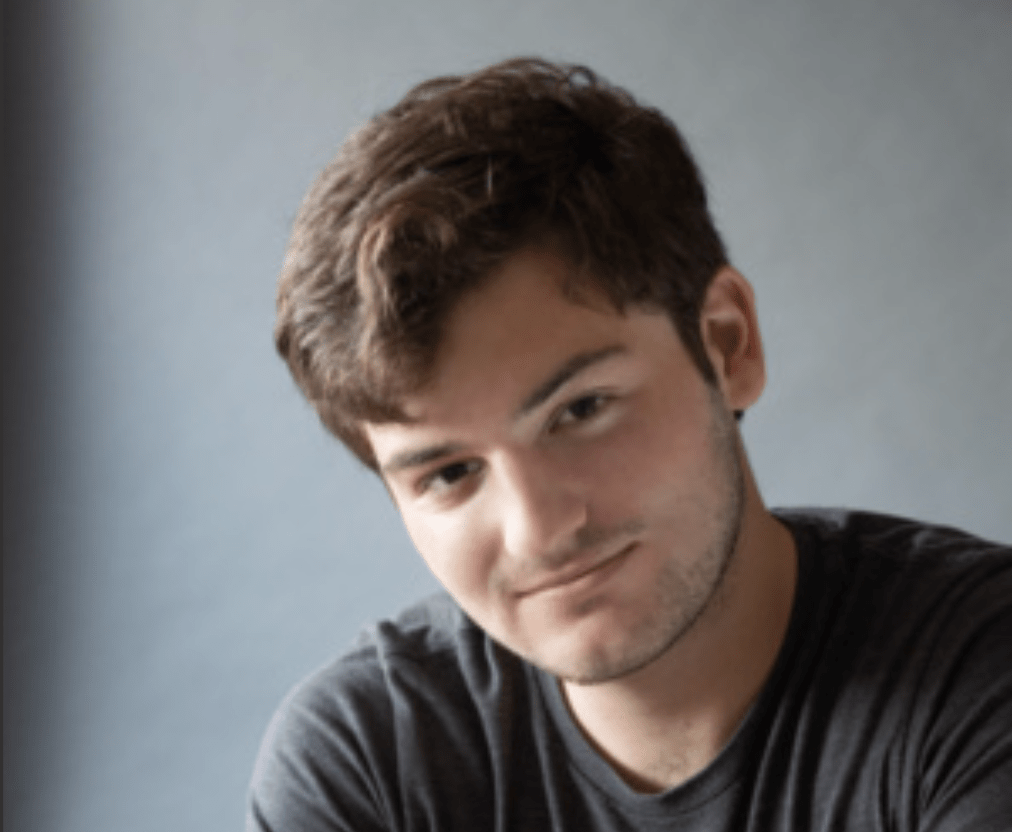

Most members of Stanford’s class of 2026 are intelligent, ambitious, and ready for distinguished careers. Theo Baker already has a head start. In his first semester of college, Baker uncovered a story that led to the resignation of Stanford president Marc Tessier-Lavigne, earning him a George Polk Award, one of journalism’s most prestigious honors. Warner Brothers and producer Amy Pascal have optioned the rights to this story. With graduation less than a month away, Baker is publishing “How to Rule the World,” a comprehensive account of his time at Stanford and the school’s complex relationship with the venture capital industry. Early interest suggests it could be a bestseller.
We’ve been eagerly awaiting this release and shared related thoughts a few weeks ago. We spoke with Baker last Friday. The interview has been edited for length and clarity.
You arrived at Stanford as a coder. How did you end up breaking a major story before your freshman year ended?
I came intending to pursue tech and entrepreneurship. I joined Tree Hacks, took a leadership role, and advanced to the CS weeder class. However, my grandfather, whom I was close to, had recently passed away and often spoke of working on the student paper. I joined the paper to feel connected to him, initially as a hobby and a way to meet people and explore campus.
Things quickly escalated. My first few stories received more attention than anticipated, leading to tips and one that directed me to PubPeer, where scientists debate published research. Seven-year-old comments there suggested irregularities in papers co-authored by Stanford’s president, Tessier-Lavigne. I was a month into Stanford when the investigation began, and by sophomore year, the president had resigned.
Were you advised against pursuing the story?
Yes, multiple times, even before publishing my first article. People warned me about Tessier-Lavigne’s high integrity and reputation, suggesting I might face discomfort within the institution. They weren’t wrong. As the story developed, pushback intensified. Within 24 hours of my initial story, the board of trustees announced their investigation. I learned that a board member involved had an $18 million investment in Denali Therapeutics, a biotech company Tessier-Lavigne co-founded, and the investigation announcement praised his integrity, while they were investigating his scientific integrity. Tessier-Lavigne avoided direct comment during my freshman year but later began messaging faculty, including my professors, claiming my reporting was false, and I started hearing more from his lawyers.
The book is about something broader — what you call the Stanford inside Stanford. What does that mean?
Soon after arriving, I realized there’s an inner world where potential startup founders are elevated and given access to exclusive resources — yacht parties, slush funds, access to billionaires. As Stanford gained fame as a startup hub, identifying genuine talent became harder. Many arrive believing they can be billion-dollar dropouts, prompting a system of distinguishing genuine talent from “wantrepreneurs” — those drawn by appearances. It’s designed to identify promising individuals early for financial gain.
The book title isn’t just metaphorical.
No, it’s the name of a clandestine “class” at Stanford, taught by a Silicon Valley CEO. It’s not an official course, more like a Skull and Bones for aspiring tech elites. There’s no course credit, but there are lectures, discussions, and guest speakers every week during winter quarter on campus. Knowing about this class was a status symbol — it made you “rule-adjacent.” The instructor aims to network with youthful talent, cloaking himself in mystery to draw promising students under the guise of teaching them how to rule the world. It’s a poignant example of this talent extraction system manifesting in unusual ways.
What does that talent-scouting system look like?
VCs employ older students to identify promising freshmen. It’s intentionally obscure. Joining prominent entrepreneurship clubs can signal ambition rather than genuine talent, as opposed to secret groups where true talent congregates. Despite genuine talent among these students, the main criteria are connections and being noticed. A CEO reached out to me during my freshman year, and at dinner at the Rosewood Hotel, as he fed caviar to his infant, he casually mentioned his first contract was with Gaddafi. This casualness is intriguing and highlights how significant frauds develop by investing too much power and money in teenagers without sufficient safeguards.
What was it like being there during the FTX collapse and ChatGPT launch?
The timing was surreal. We arrived during the crypto craze, with the assumption that fortune lay in crypto. SBF’s fall began November 2nd, ChatGPT launched November 30th, and everything shifted. I attended a dinner post-ChatGPT’s release with a top crypto advocate, who claimed SBF was “directionally correct” — trying to evade legalities. These people soon embraced AI as the new trend to exploit, aiming to replicate SBF’s success without the fall. Silicon Valley’s