
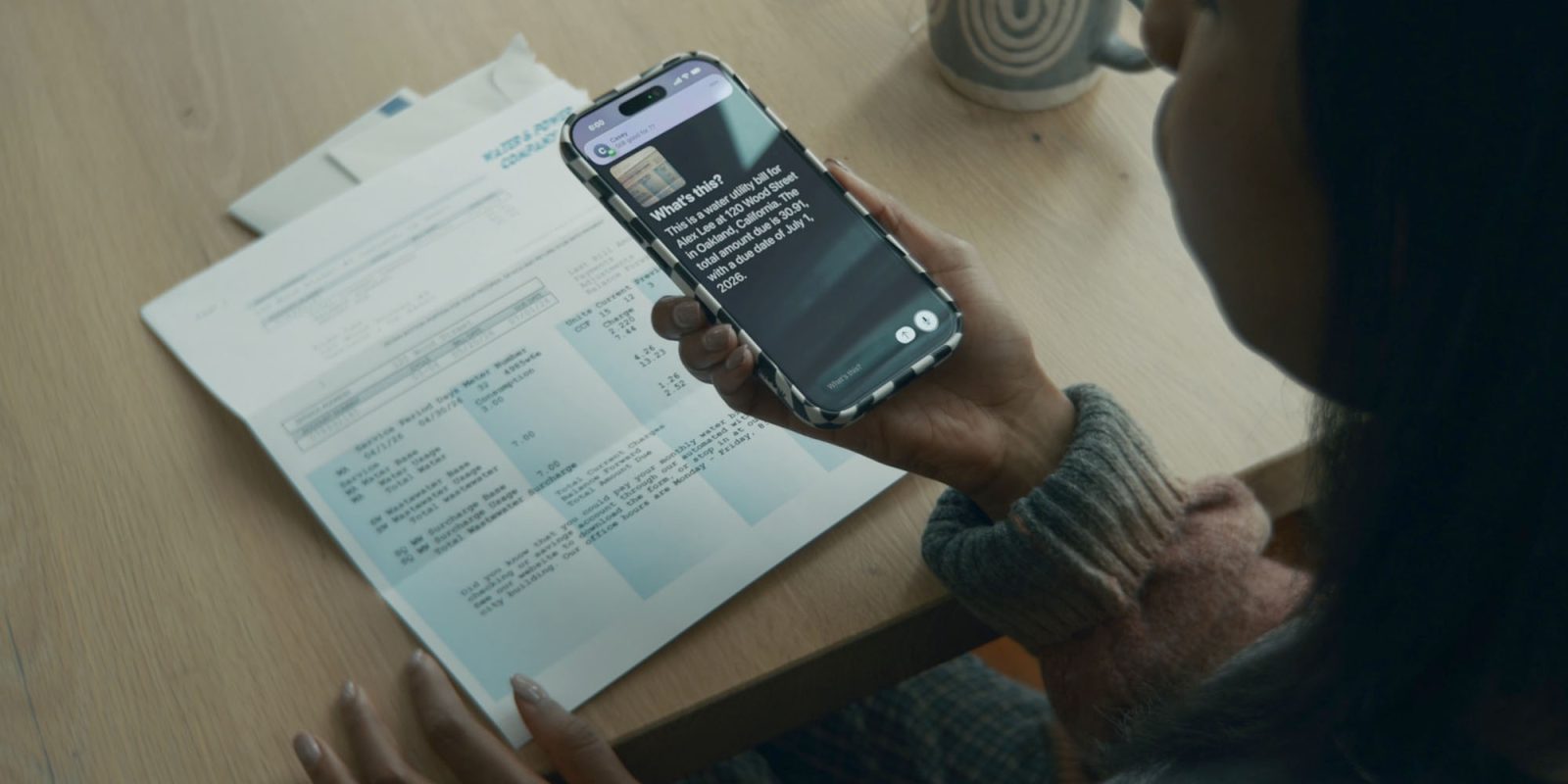

Apple has unveiled major improvements in its accessibility features, leveraging artificial intelligence (AI) to refine tools like VoiceOver, Magnifier, Voice Control, and Accessibility Reader. These enhancements seek to enrich the user experience for those with disabilities while upholding a strong dedication to privacy.
### VoiceOver and Magnifier Upgrades
VoiceOver and Magnifier serve as essential resources for users who are blind or have low vision. The incorporation of AI facilitates more nuanced image descriptions through the Image Explorer function in VoiceOver. Users can now inquire about what their camera viewfinder shows and receive comprehensive answers, boosting their situational awareness. Likewise, the Magnifier app now recognizes voice commands, allowing users to operate the app with phrases such as “zoom in” or “activate flashlight.”
### Natural Language Processing in Voice Control
Historically, Voice Control required users to remember precise commands. The latest AI enhancements enable users to engage using natural language, making navigation more seamless. This adaptability permits users to describe on-screen items in their own expressions, promoting smoother interaction with apps that might not be ideally labeled for accessibility.
### Enhanced Accessibility Reader
The Accessibility Reader has been improved to cater to a broader spectrum of disabilities, offering a more tailored reading experience. It is now capable of processing intricate materials like scientific articles, complete with on-demand summaries to aid users in quickly understanding content. Moreover, built-in translation features enable users to read text in their chosen language without losing format.
### AI-Generated Subtitles for Videos
Apple has rolled out AI-generated subtitles for all videos, encompassing personal recordings and streamed content. This feature is especially advantageous for individuals who are deaf or hard of hearing, as it automatically transcribes spoken dialogue in videos that do not include captions. On-device processing ensures that user privacy is maintained during this transcription.
### Eye Control for Power Wheelchairs
For users of power wheelchairs, Apple has introduced a novel feature that allows control via eye movements with the Vision Pro device. This breakthrough utilizes sophisticated eye-tracking technology, offering a responsive input method for compatible wheelchair systems, thus enhancing the mobility of users with restricted physical movement.
### Additional Accessibility Enhancements
Apple has also revealed several other improvements, including:
– **Vehicle Motion Cues**: Aimed at minimizing motion sickness for Vision Pro users in moving vehicles.
– **Touch Accommodations**: Providing individualized setup choices in iOS and iPadOS.
– **Refined Hearing Aid Integration**: Improvements for Made for iPhone hearing aids for enhanced connectivity.
– **Expanded Text Support**: Offering larger text size options in tvOS for users with low vision.
– **Name Recognition**: Notifications for users who are deaf or hard of hearing when their name is mentioned.
– **Sign Language API**: Enabling the inclusion of human interpreters during FaceTime calls.
– **Game Controller Compatibility**: Facilitating the use of the Sony Access controller with Apple devices for a personalized gaming experience.
### Conclusion
Apple’s commitment to advancing accessibility through AI underscores its dedication to inclusivity. These developments not only enhance the efficacy of current tools but also lay the groundwork for future innovations aimed at empowering users with disabilities. As the company continues to expand these features, the prospects for further accessibility improvements remain encouraging.