

In a media scene dominated by Baby Shark and Skibidi Toilet, one startup is reshaping children’s media by emphasizing well-being rather than watch time. Maka Kids is developing a streaming app for children aged zero to six, highlighting content intended for healthy development. The startup has secured $3 million in seed funding to expand its platform and is now welcoming waitlist sign-ups.
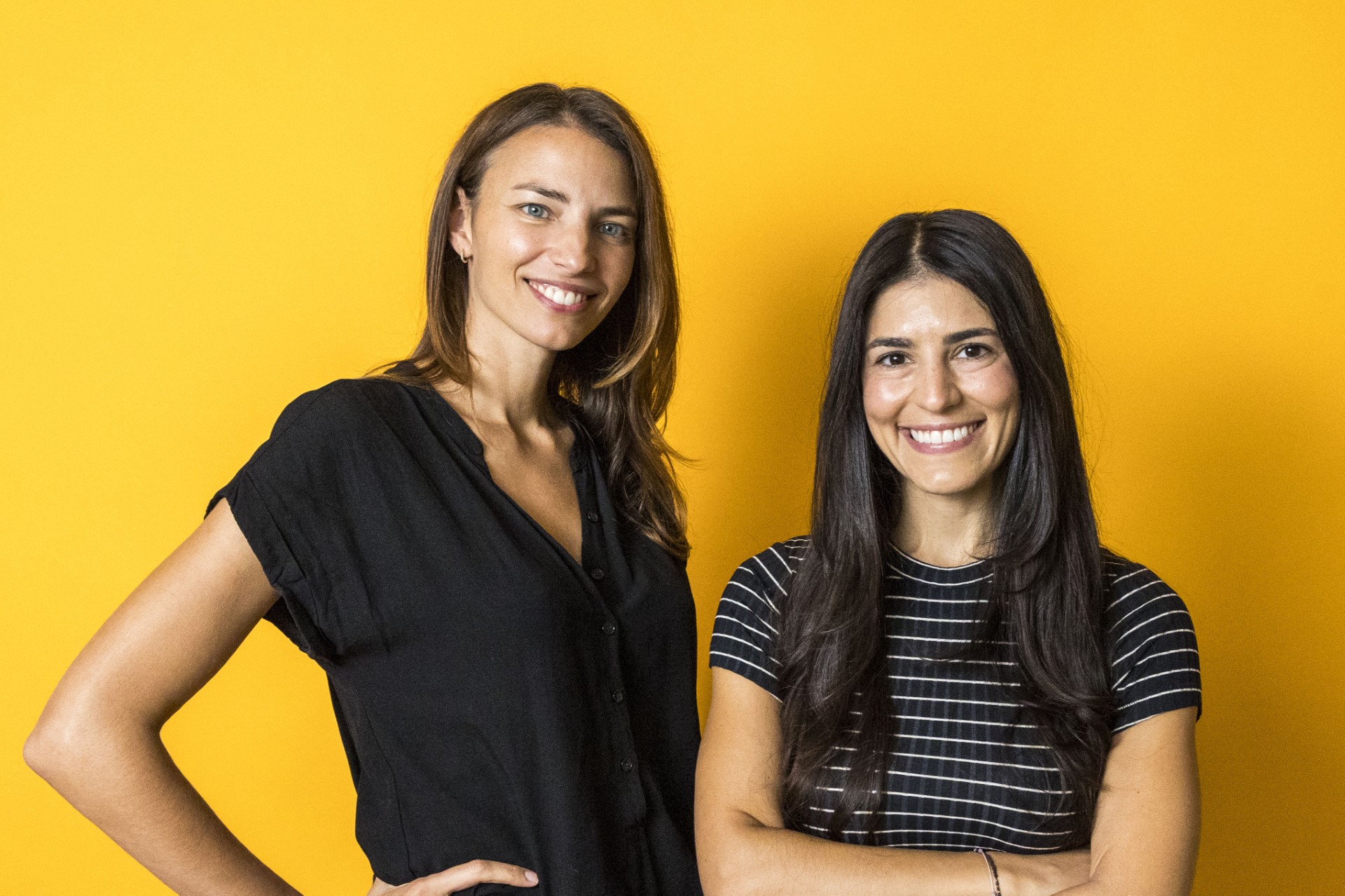
Unlike usual streaming platforms, Maka Kids lacks recommendation algorithms, ads, or auto-play. It aims to deliver a predictable experience that fosters learning, creativity, and emotional growth. Founded by Isabel Sheinman and Tanyella Leta, who formerly launched Nabu, a non-profit that provided children’s books to over 15 million youngsters across 26 countries. Sheinman and Leta met at a dinner in 2013 and clicked instantly, sharing backgrounds in education and entrepreneurship, which inspired Nabu and later fuelled their enthusiasm for Maka Kids.
The concept of Maka Kids emerged from conversations with friends, families, and Nabu customers, hearing from parents wary about screen time’s impact on their children. Hundreds of user interviews informed their creation of a children’s streaming app centered on well-being.
“We were seeing parents overwhelmed by decisions about what was unsafe or beneficial, and why their kid was upset after screen time,” Sheinman explained. “Meanwhile, children’s media got louder, faster, more algorithm-driven. We felt positioned to offer the relief parents wanted.”
All Maka Kids content is assessed using Maka Imprint, their patent-pending development framework, produced in collaboration with Yale Child Study Center researchers over two years. The framework identifies seven core domains of early childhood development across over 650 indicators, such as language, creativity, emotional skills, and growth mindset.
Maka Kids licenses directly from IP holders and individual creators, partnering with studios and animators to produce original content. Every show on the platform is analyzed for pacing, stimulation levels, color contrast, and narrative structure, featuring slower-paced, lower-stimulation content with authentic narratives and stories worldwide.
“We think what’s missing from the screen time debate is how the right story, told at the right moment, can positively impact a child,” Leta expressed. “Stories can boost language development, emotional regulation, and curiosity, offering kids a broader world view. Children’s media, at its best, is a powerful developmental instrument for families when correctly designed. Most kids’ platforms are focused on watch time, not well-being.”
Upon creating a child profile, parents can choose channels on topics like kindness, STEM, emotional regulation, or movement, and set desired session lengths. Maka Kids then provides curated, developmentally approved content tailored to these preferences. The session ends naturally with character cues to help children transition away from screens calmly.
Maka Kids is testing a private beta on iOS this summer, planning a public release in the fall on iPhone and iPad, with AirPlay casting support. Thousands of families are already on its waitlist. The app’s business model will be subscription-based, costing $11.99 per month, with a discounted annual option.
With the new funding, Maka Kids intends to expand its catalog of vetted shows. The funding round was led by Michigan Rise, with contributions from Union Heritage Ventures, Flybridge, Also Capital, Detroit Venture Partners, Song United, Invest Detroit, Ann Arbor Spark Capital, Segal Ventures, and angel investors.
“In the long run, we envision becoming the trust layer for children’s digital experiences,” stated Sheinman. “Integrated into games, edtech products, and shows, Maka Imprint could help developers align their products with what’s truly beneficial for kids and families. The kids category deserves a credible industry standard, which we are building.”