
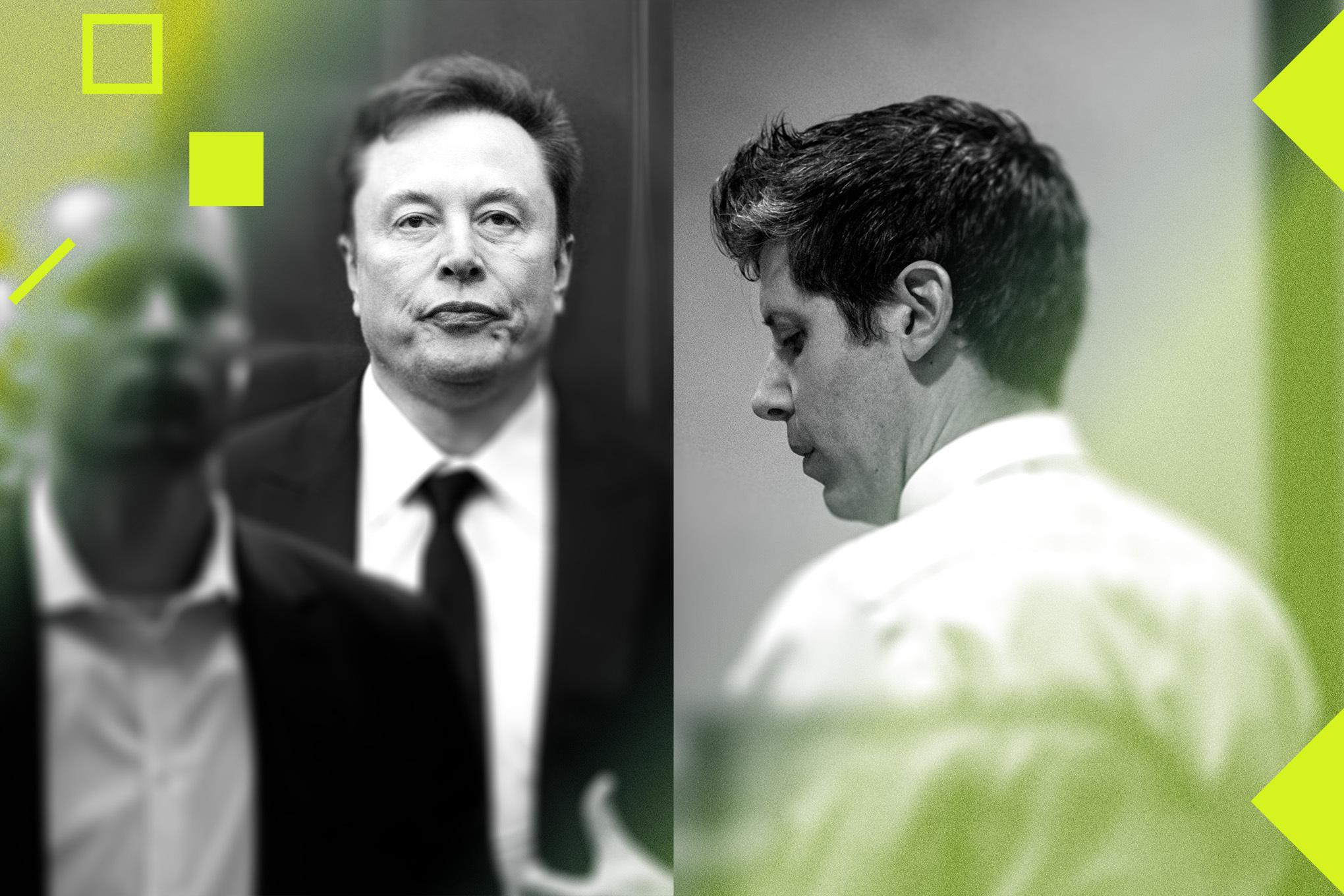

We sent Liz Lopatto to *Musk v. Altman* and all we got was this episode of *Decoder*.
Today I’m talking with Liz Lopatto, who spent the last month covering the *Musk v. Altman* trial. She describes the courthouse as a “zoo,” explaining that protests occurred daily. Both Elon Musk and Sam Altman are notable figures, evoking strong opinions. Ultimately, the jury determined Elon filed his lawsuit too late. Liz explains what happened.
The trial claimed OpenAI’s shift from nonprofit to for-profit possibly cost Musk money, though it seemed more about him wanting Altman punished for OpenAI’s success without him.
Amid unreliable individuals arguing, did anyone even have a reputation to lose? Is there a floor?
Okay: Liz Lopatto on *Musk v. Altman*. Here we go.
This interview has been lightly edited for length and clarity.
Liz Lopatto, you are a senior chaos reporter here at *The Verge*. You just covered the Sam Altman v. Elon Musk trial. Welcome to *Decoder*.
Thank you. Always a pleasure to be here. I feel like it’s always some new, relatively insane thing that we’re talking about.
We have to stop meeting under these circumstances.
I think these are your favorite circumstances.
They are my favorite circumstances.
A few times a year, we drive you absolutely batty by sending you to cover something, and this trial was one of those situations. You got to see much of the testimony live, with prominent figures taking the stand.
The audience probably knows Elon Musk lost, but what was this case about and what were the vibes in the courtroom?
There are two aspects to consider: what the case was ostensibly about versus what it was actually about.
Ostensibly, the case involved violating a charitable trust. Musk donated money to OpenAI Foundation, which later became a for-profit, and Musk claimed this violated his charitable trust. He believed this timing aligned with “the blip” when Altman was briefly removed. Notably, Microsoft was accused of aiding and abetting.
Realistically, many shifting legal strategies surrounded this case. Initially filed in state court, later withdrawn and filed in federal court, and a charge dropped pre-trial. It seemed Elon’s primary goals were punishing Sam Altman, impacting OpenAI, and possibly kneecapping it—a case of two disgruntled individuals quarreling.
During Musk’s testimony, the courtroom felt chaotic. One woman was berated for taking photos, and another ejected for recording proceedings. Outside, various protests persisted.
Elon Musk’s goal appeared to be tarnishing Sam Altman’s reputation through legal entanglements and exposing him. Yet, questions arose: Does Altman, or the AI industry, have much of a reputation left? During jury selection, many disliked Musk, but the judge urged a fair trial.
The trial also highlighted ulterior motives. Mira Murati, previously seen as trustworthy, faced backlash for her role in Altman’s firing. Meanwhile, Helen Toner was implicated in potential OpenAI sales to Anthropic where she had ties.
Elon Musk effectively used OpenAI as a recruiting ground for Tesla, raising ethical questions. Overall, the case underscored immature behavior among AI leaders.
As the trial concludes, appeal plans persist, suggesting a prolonged legal battle. Nonetheless, OpenAI continues forward, undeterred by Musk’s attempts.