
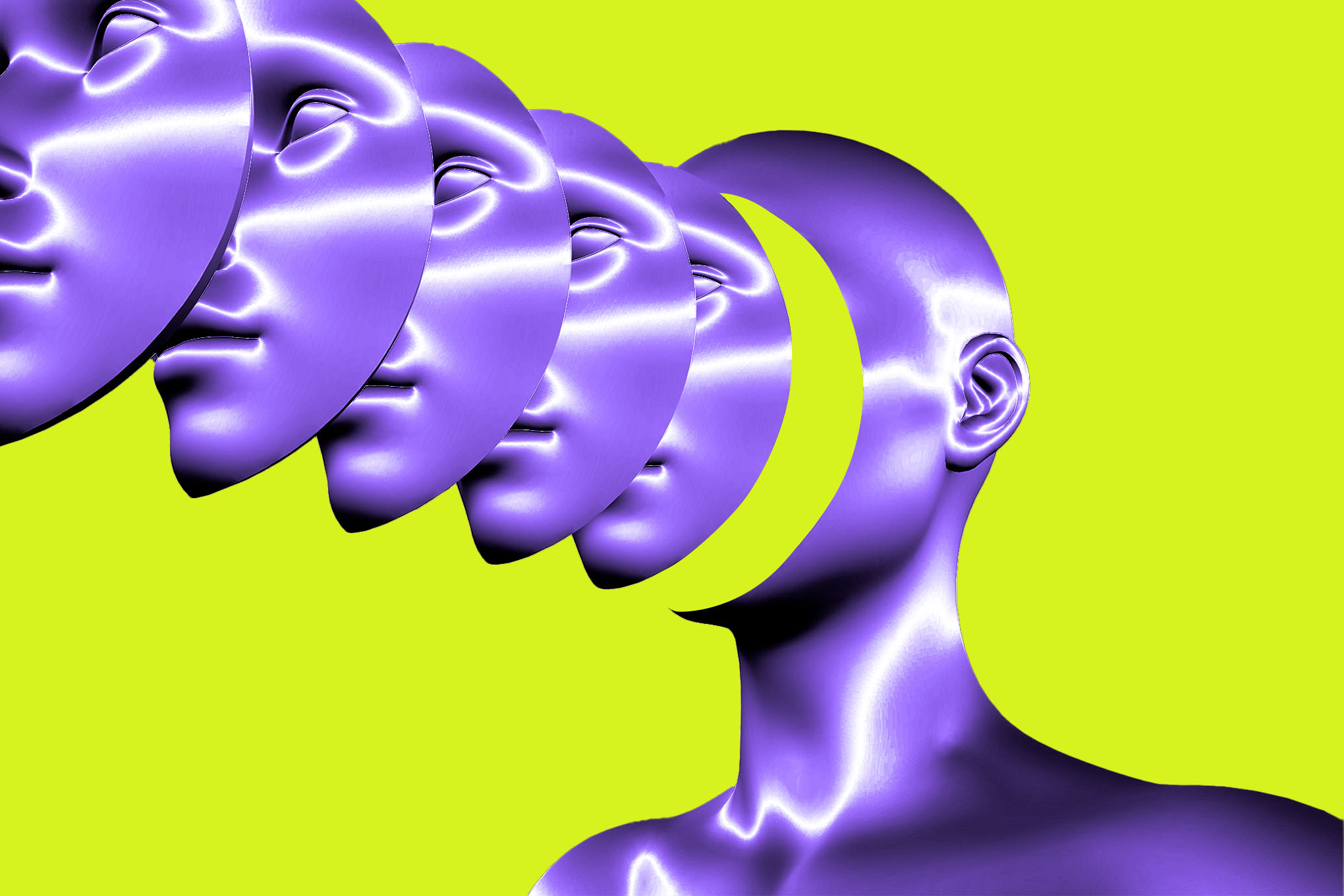

YouTube is expanding its AI deepfake monitoring feature to Hollywood, potentially removing certain celebrity AI videos. The platform’s likeness detection tool scans YouTube for AI deepfake content, flagging it for public figures enrolled in the program. Public figures can track AI content featuring them on YouTube or request removals, although takedowns are assessed against YouTube’s privacy policy, and not all requests will be approved. YouTube started testing the feature with content creators last fall and expanded it to politicians and journalists in March. The tool will cover celebrities, whether they have a YouTube account or not.
Participation requires submitting an ID and selfie video. Likeness detection focuses specifically on faces, not voice or other identifiers. Removing deepfakes isn’t assured, and there are protected use cases like parody or satire. YouTube previously reported that content creators using the feature requested the removal of only a “very small” number of videos.
Likeness detection is compared to YouTube’s Content ID system, which identifies (and removes) copyrighted material. With Content ID, rights holders can monetize others’ videos that use their material, splitting revenue. This isn’t yet possible with likeness detection, but it seems to be an industry direction.
Earlier this month, YouTube announced a feature for creators to digitally clone their likeness using AI, which could be inserted into videos. Talent agency CAA, a supporter of the likeness detection expansion, has a database of clients’ biometric data, which entertainers can manage or use for commercial opportunities. TikTok star Khaby Lame effectively sold the rights to his likeness for product promotions, though the deal faced obstacles and its completion is unclear.
According to an interview with The Hollywood Reporter, talent managers view the rise of AI deepfakes as a potential way for the entertainment industry to connect with fans. Some celebrities may want AI content of themselves removed when eligible; others might allow fan-made AI content to flourish. In the future, entertainers could embrace AI deepfakes of themselves, provided they receive compensation.