

### Vibe Coding Apps Challenge Established App Store Norms
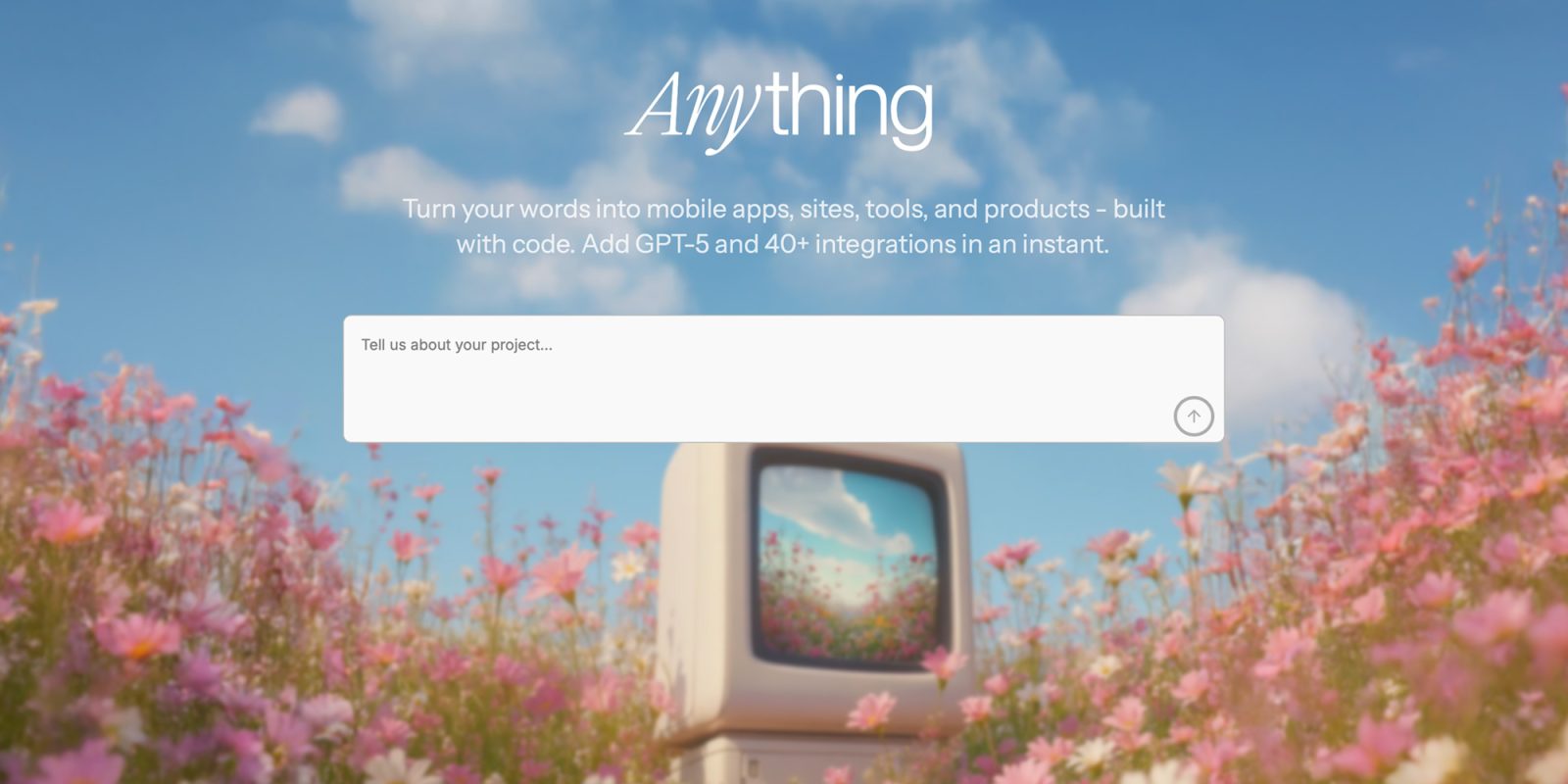
In the wake of a conflict that resulted in two removals from the App Store, the creators of the vibe coding platform Anything are openly charging Apple with excluding a new wave of app developers due to antiquated app review policies. Here are the specifics.
A few weeks prior, *The Information* disclosed that Apple had removed the vibe coding application “Anything” from the App Store. Apple asserted that the Anything app breached “longstanding App Store rules that stipulate that an app cannot execute code that modifies the functionality of itself or other apps.”
The pertinent rules were:
– **Section 2.5.2 of the App Review Guidelines**: “Apps should be self-sufficient within their bundles and must not read or write data outside their assigned container area, nor may they download, install, or execute code that adds or alters features or functionality of the app, including other applications.”
– **Section 3.3.1(B) of the Developer Program License**: “Interpreted code may be downloaded to an Application, provided that such code: (a) does not alter the main purpose of the Application by adding features or functionality that diverge from the intended and advertised purpose of the Application.”
This is partly how vibe coding applications operate. They typically allow users to submit text prompts that AI models transform into code, subsequently creating a functioning version of the app. In the case of Anything, users can test the app on their devices and determine if they wish to submit it for App Store approval, given they possess a developer account.
However, Apple has expressed concerns regarding Anything’s app development and preview processes, leading to its removal from the App Store. Twice. The developers report that Apple removed the app from the App Store on March 26, and then again shortly after it was reinstated, following ongoing discussions with the company.
In a detailed post on X (via *TechCrunch*), the developers shared their perspective:
> “Our mobile app received approval last year. We didn’t hear any concerns. Then in December, they began obstructing our updates, citing the notorious Guideline 2.5.2. The guideline aimed at preventing harmful apps from downloading code to alter their behavior post-review. We recognized the concern, even if we disagree it applies to our case. We attempted to resolve the issue. Four distinct technical solutions, each tailored to address their feedback. All were rejected. We didn’t go public. We didn’t tweet. We kept making efforts. Then they removed us from the App Store. We still kept quiet. We collaborated with them, got reinstated, and thought we’d found a way forward. Then they removed us again.”
In the post, the Anything team contends that “the number of individuals who can create apps is set to soar from millions to hundreds of millions, ultimately reaching everyone,” asserting that “these individuals represent the future of the App Store.”
They also provide examples of users who successfully launched their vibe-coded apps on the App Store and pledge to continue evolving their product:
> “We’re not holding back. We launched text-to-app. Message us and we’ll create your iOS app in the cloud. Next, we’re releasing a desktop companion for on-device previews. We will discover a way to support our builders.”
### 9to5Mac’s Perspective
Anything’s announcement follows shortly after *The Information* reported a surge of new apps on the App Store, at least partly attributed to the rise of vibe coding tools. Naturally, not all vibe-coded apps will be equally useful or impactful (or even secure) as those mentioned in Anything’s post. However, this shouldn’t disqualify the new potential offered by vibe coding tools altogether.
In recent months, there has been mounting pressure for Apple to confront, or at minimum acknowledge, the evolving landscape of app development. As vibe coding gains greater traction and with WWDC26 approaching, it will be intriguing to observe how Apple decides to address the matter, if at all.