

With the emergence of “vibe coding,” AI agents have released an overwhelming amount of code that companies are now finding hard to manage, a phenomenon termed as “code overload.” Reports indicate that AI-generated code can introduce problems, including bugs and quality issues, that senior engineers must address before the code is released.
A new company aims to resolve this problem using AI, the very tool that caused it.
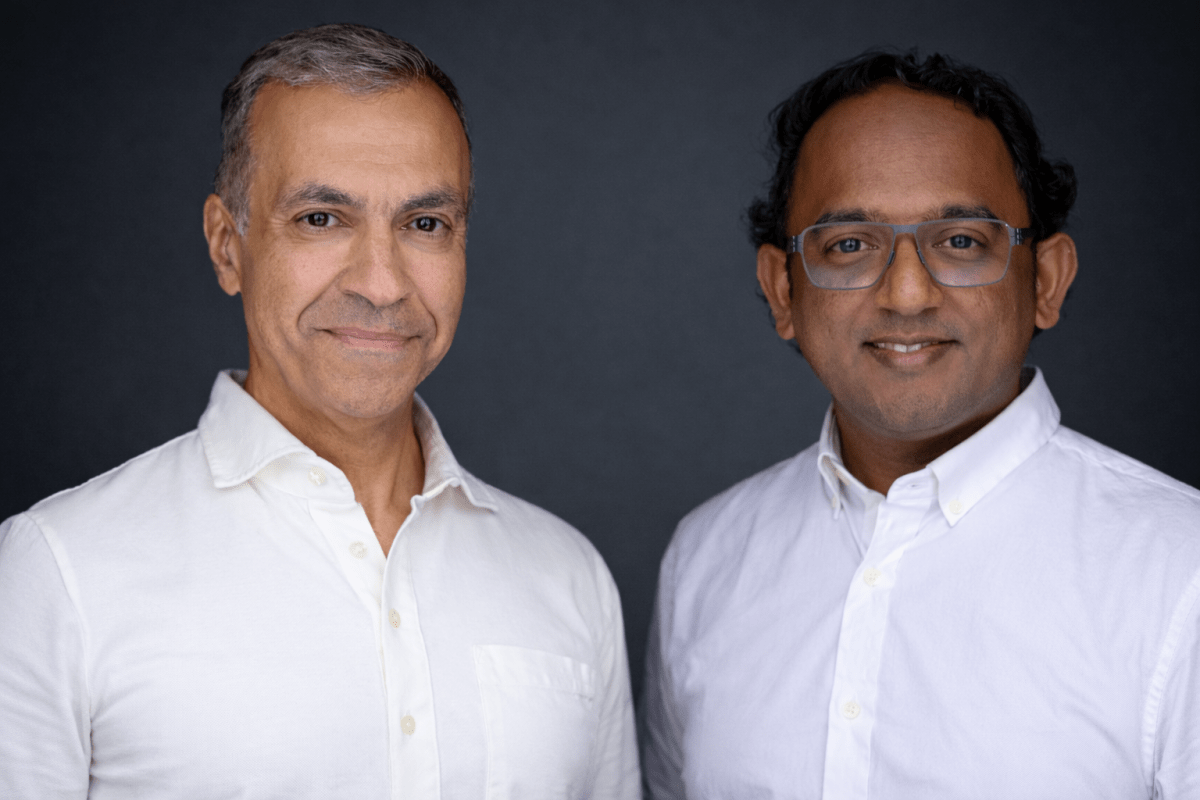
Gitar — a startup founded by Ali-Reza Adl-Tabatabai, a former member of Intel Labs, Google, and Uber — launched on Wednesday with a $9 million funding round led by Venrock and Sierra Ventures.
Two-year-old Gitar offers a subscription to its platform, which uses AI agents for various code-quality operations, such as code reviews and continuous integration workflow management. This platform allows engineering teams to create their own agents to perform security and maintenance tasks.
AI-generated code results in “more code to review, more tests to write, more CI failures to diagnose,” said CEO Adl-Tabatabai to TechCrunch. He described Gitar as performing “code validation,” to ensure an enterprise’s code is ready for deployment. “Generation produces code; validation makes it trustworthy. Gitar handles the review, tests, and diagnostics process,” he explained.
Adl-Tabatabai foresees a future where automation plays a larger role in software development. Currently, human code review is essential, but he envisions companies relying on Gitar’s platform for these reviews to expedite shipping. “We have a validation agent that ensures code safety and involves humans only when necessary,” he stated.
Although many companies are in the automated code-review field, Gitar seeks to stand out with its focus on post-code generation processes. “Most of the market chased [code] generation. We didn’t,” said Adl-Tabatabai. “Gitar is designed for what comes after code is written.”
The new funding will aid in expanding Gitar’s engineering and product teams, as the San Mateo company enhances its systems to deliver its services on a larger scale.