

Apple’s Liquid Glass interface has received what can be termed as varied responses from the company’s customers – yet this doesn’t seem to be stopping Google from drawing inspiration from it.
After hinting last month that this year is poised to be one of the most significant for Android, the company sparked considerable discussion when it officially unveiled an Android event featuring a figure that strongly resembles Liquid Glass.
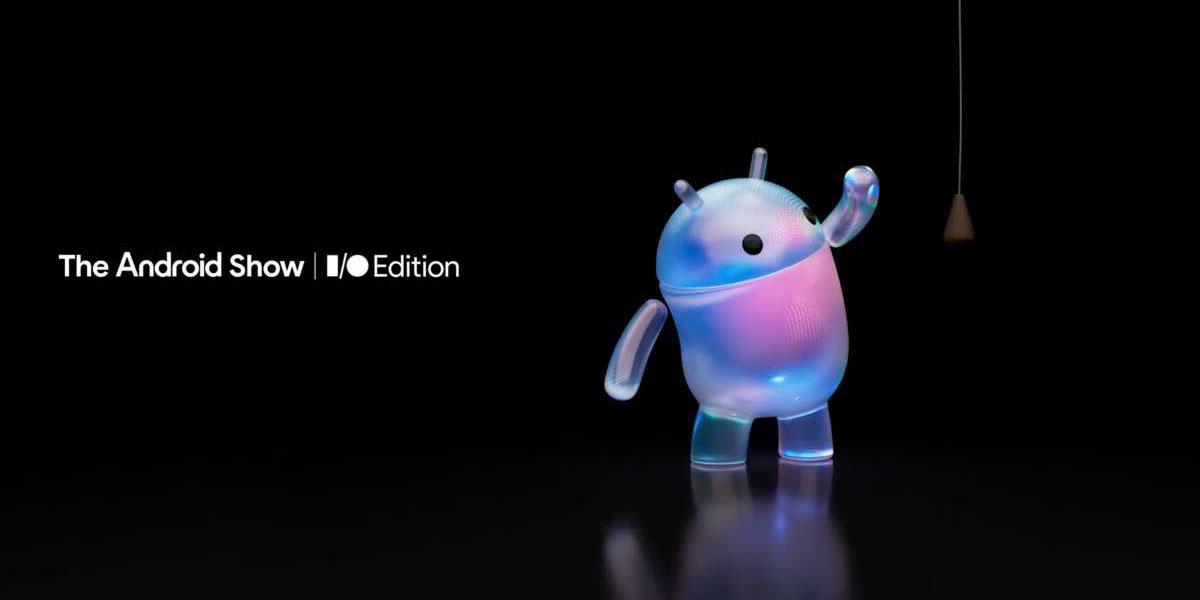
Google employs a 3D robot mascot to represent Android, which was casually referred to as “Bugdroid” until the company officially branded it as The Bot in 2024. This week, Android lead Samir Sumaidaie shared a brief video depicting The Bot shifting from its standard green hue to a glass-like form.
The online community was quick to respond. One of the earliest comments came from a user beseeching Google not to emulate Apple’s trend of glass interfaces, while another X user even utilized an AI-generated graphic to illustrate a liquid glass representation on an Android device.
Samat responded by asserting this was “not happening,” though skepticism remains among some, including Macworld’s David Price. The video showcases Android’s green robot mascot tugging at a cord, causing not only the room lights to turn off but also transforming the robot into a glassy figure, exuding a transparent glow reminiscent of the latest aesthetics in iOS, iPadOS, and macOS.
At our sister site 9to5Google, Ben Schoon offers a perspective that lies between the two views. Google has made significant investments in its Material Design framework for Android over the years, and the most recent Material 3 Expressive iteration has introduced a distinctive look and feel that Google found genuinely beneficial for users. While Google is anticipated to bring more blur effects to Android 17, blur and Liquid Glass are not synonymous – Apple’s Liquid Glass design encompasses more than mere UI blur.
What do you think? Is Google mirroring Apple’s work like Samsung? Share your opinions in the comments.