
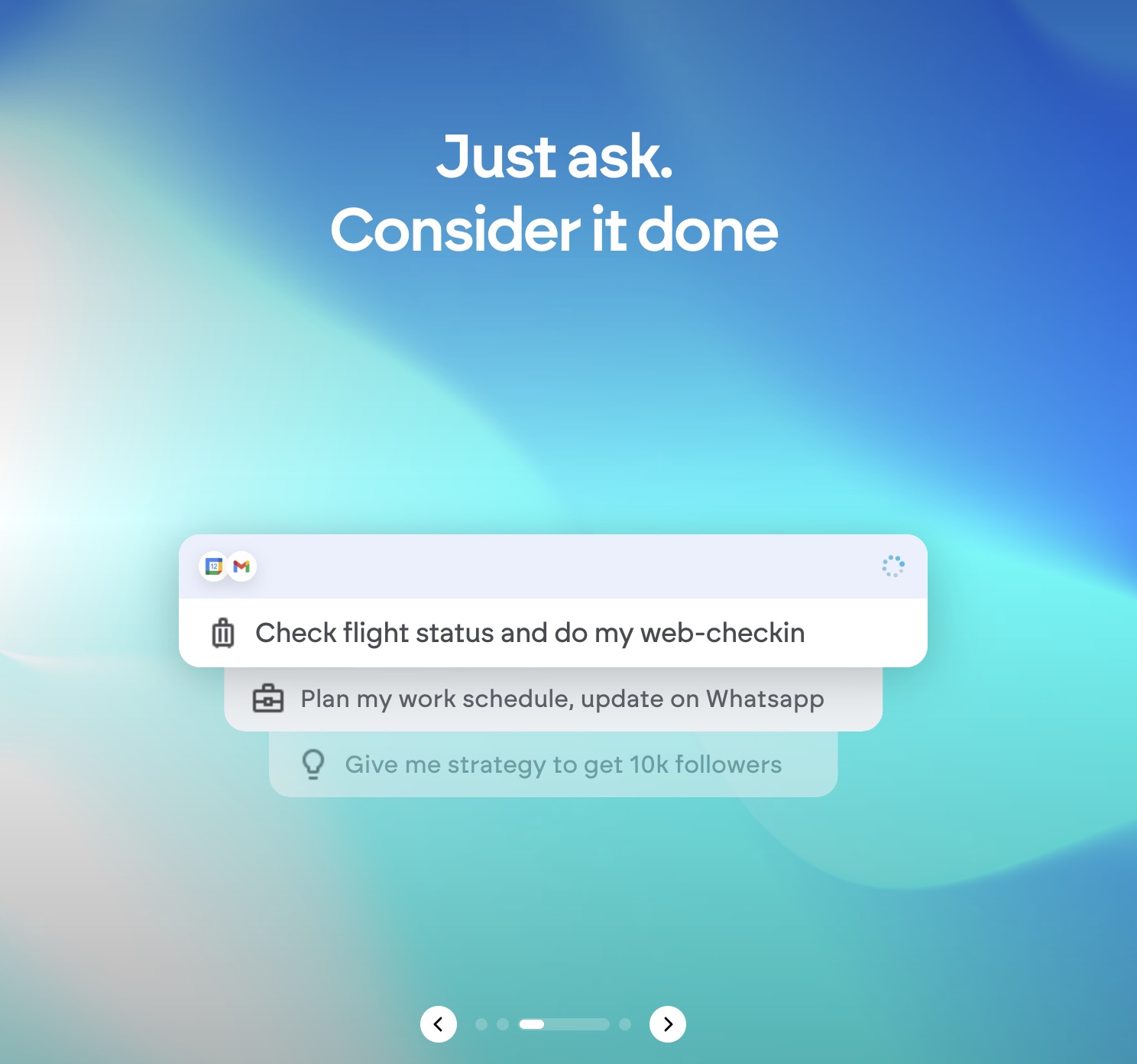

Emergent, an Indian startup recognized for its vibe-coding platform, has unveiled Wingman, a messaging-first autonomous AI agent, as part of its foray into software that runs in the background to manage tasks — a category popularized by tools like OpenClaw and Claude from Anthropic.
Headquartered in Bengaluru, Emergent initially gained traction for its vibe-coding platform that competes with Cursor and Replit, allowing non-technical users to create full-stack applications using natural-language prompts. Wingman signifies Emergent’s shift from creation to execution, enabling AI agents to manage routine tasks across various tools and workflows.
“The obvious next step for us was, can we help them not just build the software, but actually operate more autonomously through it?” stated Mukund Jha, co-founder and CEO of Emergent. “You move from software that supports the business to software that can actively help run it.”
Emergent reported that more than 8 million users have utilized its vibe-coding platform to develop and deploy software, with over 1.5 million monthly active users. Since its founding in 2025, the startup raised $70 million in January at a $300 million valuation, supported by investors such as SoftBank, Khosla Ventures, and Lightspeed Venture Partners.
Wingman is designed to function through messaging platforms like WhatsApp and Telegram, allowing users to manage tasks via chat. Simultaneously, the agent operates in the background across tools like email, calendars, and workplace software. It can autonomously perform routine actions but seeks user approval for significant operations, as per Emergent.
The launch occurs as autonomous AI agents become an industry battleground, with numerous companies striving to develop tools capable of executing tasks for users. Initiatives like OpenClaw — once known as Clawdbot and Moltbot — have drawn attention from early users, while companies like Anthropic and Microsoft are exploring this space with their own agent-based systems.
Emergent aims to set Wingman apart by integrating it into messaging platforms like WhatsApp, Telegram, and Apple’s iMessage, enabling users to interact through chat rather than adopting new interfaces. The introduction of “trust boundaries” allows the agent to autonomously complete routine tasks, requiring user approval for critical actions, addressing concerns surrounding fully autonomous systems.
Jha explained that the choice to incorporate Wingman into messaging platforms was influenced by existing work practices. “A lot of real work already happens through chat, voice, and email — asking for something, following up, sharing context, making a decision,” Jha said. “Increasingly, they’ll be the main ways we work with agents too.”
Like other emerging AI agents, Wingman still encounters challenges. Jha mentioned the system struggles with consistency in ambiguous situations, complex edge cases, unclear goals, or workflows requiring significant human judgment.
Wingman is being introduced with a limited free trial, after which paid access will be available. Current Emergent users can access the agent via their existing accounts.