
In late April, Palantir, known for its defense contracts and work with Immigration and Customs Enforcement, announced new merchandise for its store: a cotton chore coat. Priced at $239, the jacket comes in bright blue and black, resembling classic French workwear from the 19th century but with a Palantir logo on the pocket. The release drew criticism on social media, with some questioning why the company aligned with the idea of American military might would choose to replicate French workwear instead of American. Despite the controversy, all 420 units sold out by the end of the sale day. For more than a year, Palantir has been trying to establish itself as a lifestyle brand. In an interview with GQ, a Palantir employee explained that the company aims to provide the best software capabilities for the US and its allies, and wearing Palantir-branded clothing expresses alignment with these values. Fashion journalist Avery Trufelman noted that while it’s not cool for a company to explicitly state a desire to be cool, the aspiration itself is smart. Palantir’s attempt to be a lifestyle brand coincides with an existing market of military-influenced styles, evidenced by successful partnerships like Patagonia’s military contracts. The company’s venture into consumer products follows other defense contractors like PrimaLoft, a synthetic insulation company initially developed for the US military. While Palantir doesn’t manufacture clothes, its merchandise acts as a way for the tech-savvy laptop class to signal brand allegiance without serving a tactical purpose. Derek Guy, a menswear writer, notes that Palantir clothes appeal to urban knowledge workers, who now have merchandise to reflect their affiliation. Palantir has cultivated a dedicated following, including retail investors who passionately follow the company’s developments. A broader merchandise line allows Palantir to capitalize on its base by turning them into walking billboards. Fans like Connor and Alex wear Palantir merchandise to represent their tech affiliation; Connor enjoys wearing items as a nod to brands he likes, while Alex sees Palantir as an antithesis to data-extractive companies. Despite the merchandise’s symbolic purpose, it doesn’t generally foster conversations; Alex noted that while people might notice his attire, few engage him directly about it. Palantir invests effort into its merchandise beyond basic T-shirts, with plans to introduce a tennis collection. However, challenges remain for tech companies in designing culturally appealing merchandise. Palantir’s crewneck sweatshirt drew comparisons to Off-White, the brand founded by late designer Virgil Abloh, but the menswear writer Guy believes these attempts to convey coolness are insufficient without a comprehensive cultural position. Palantir targets a tech audience attuned to tastes shaped by algorithms and stylists, with its merchandise semiotically tied to Palantir’s controversial business practices. Critics and supporters alike see its logo as representative of these associations. While merchandise promotes the brand to social media-savvy fans and sympathetic audiences, achieving broader cultural acclaim is more challenging. Comparisons to OpenAI’s and Anthropic’s branding efforts highlight different approaches between tech companies targeting varied audiences — whether by showcasing military power or creativity — exemplifying disparate brand ideologies through their merchandise.
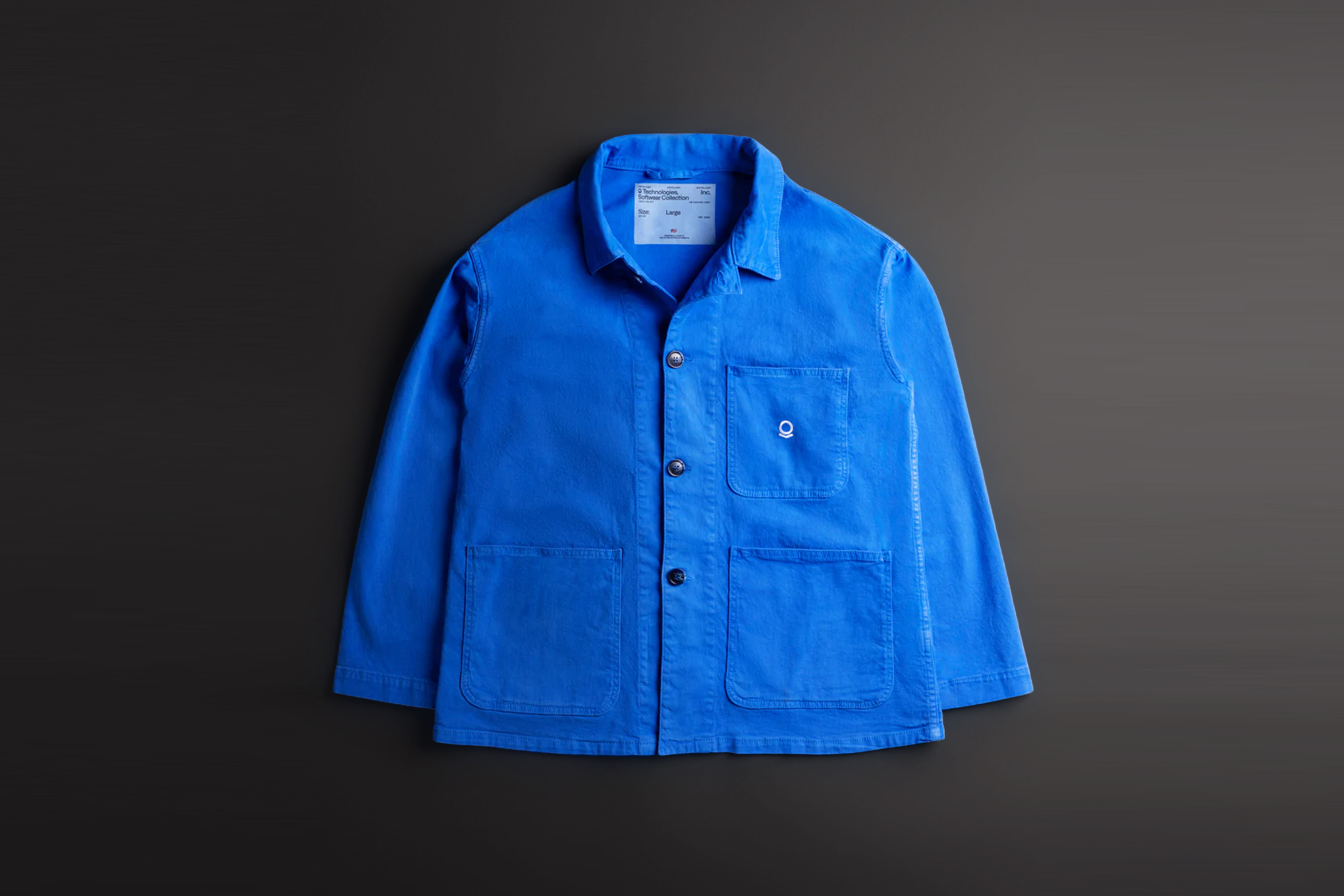
Palantir’s Devoted Fans Are Sporting This Jacket

3 Min Read