

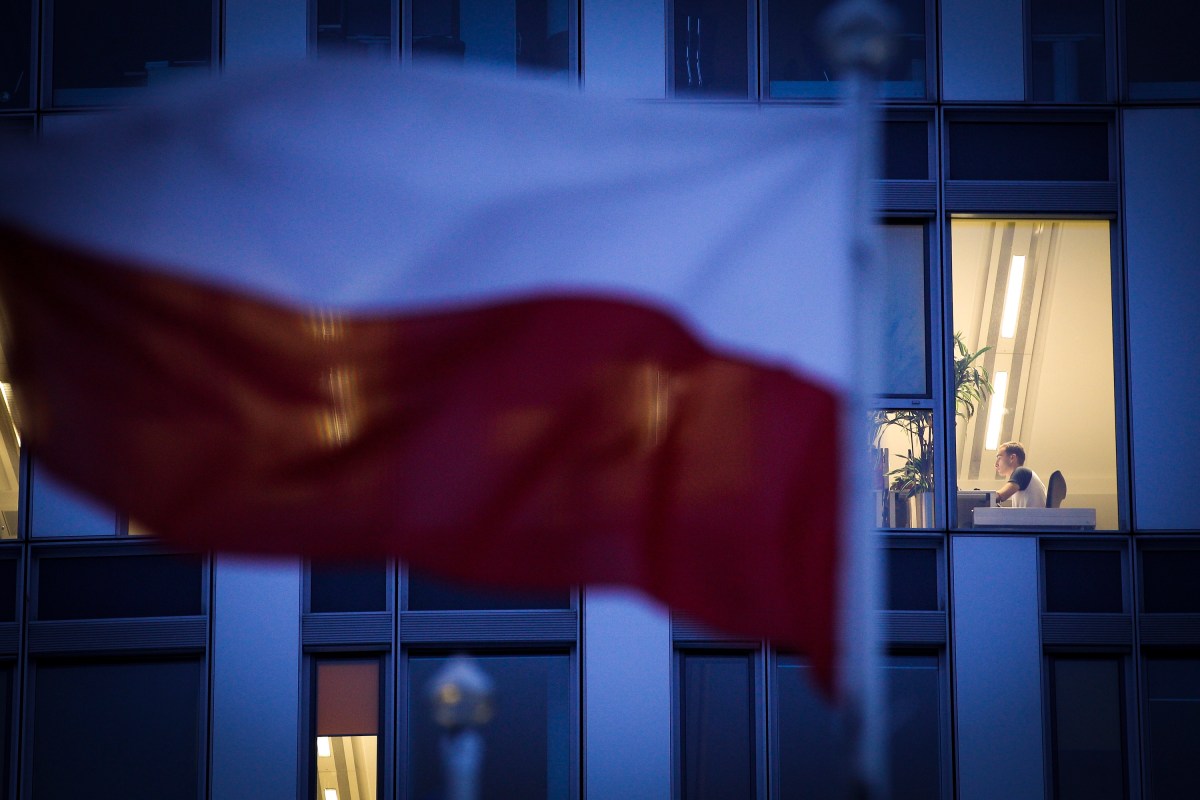
Poland’s intelligence service reported attacks on five water treatment plants where hackers could have taken control of industrial equipment, potentially compromising water safety.
The issue extends beyond Poland: U.S. water infrastructure has experienced similar threats. In 2021, a hacker accessed a water treatment plant in Oldsmar, Florida and attempted to dangerously increase sodium hydroxide levels. The FBI and U.S. Cybersecurity and Infrastructure Security Agency (CISA) have since warned that water utilities are vulnerable to foreign hacking.
On Friday, Poland’s Internal Security Agency released a report on threats faced over the last two years. The report highlighted thwarted sabotage by Russian spies and hackers targeting military facilities, critical infrastructure like power grids, and civilian sites, resulting in potential fatalities.
“The most serious challenge remains sabotage activity against Poland, inspired and organized by Russian intelligence. This threat requires full mobilization,” the report stated.
The report did not confirm the hackers of the water treatment attacks were Russian agents. However, Poland has faced several Russian hacking attempts on its infrastructure, including a failed energy grid attack, attributed to poor security controls.
Poland’s situation reflects a global pattern of attacks on infrastructure. Recently, a joint advisory from U.S. agencies warned of Iranian-backed hackers targeting programmable logic controllers in utilities. The Iranian group, CyberAv3ngers, previously breached U.S. water plants in Pennsylvania in 2023, linked to Middle East tensions.
The attacks on Poland are part of a Russian strategy applied in war zones like Ukraine and against Western adversaries. Poland’s intelligence views this as an effort to destabilize the West, with cyberattacks being a tool of Putin’s regime.
Techcrunch event
San Francisco, CA|October 13-15, 2026
When you purchase through links in our articles, we may earn a small commission. This doesn’t affect our editorial independence.