

Last week, in a pizza shop, I overheard someone ask if a particular slice was vegetarian or vegan. They likely wanted to know if the pizza used vegan cheese, and upon learning it did, they changed their order.
Vegan cheese is often viewed as an inadequate imitation of dairy cheese because it lacks casein, a protein from mammalian milk that provides structure and meltability to cheese.
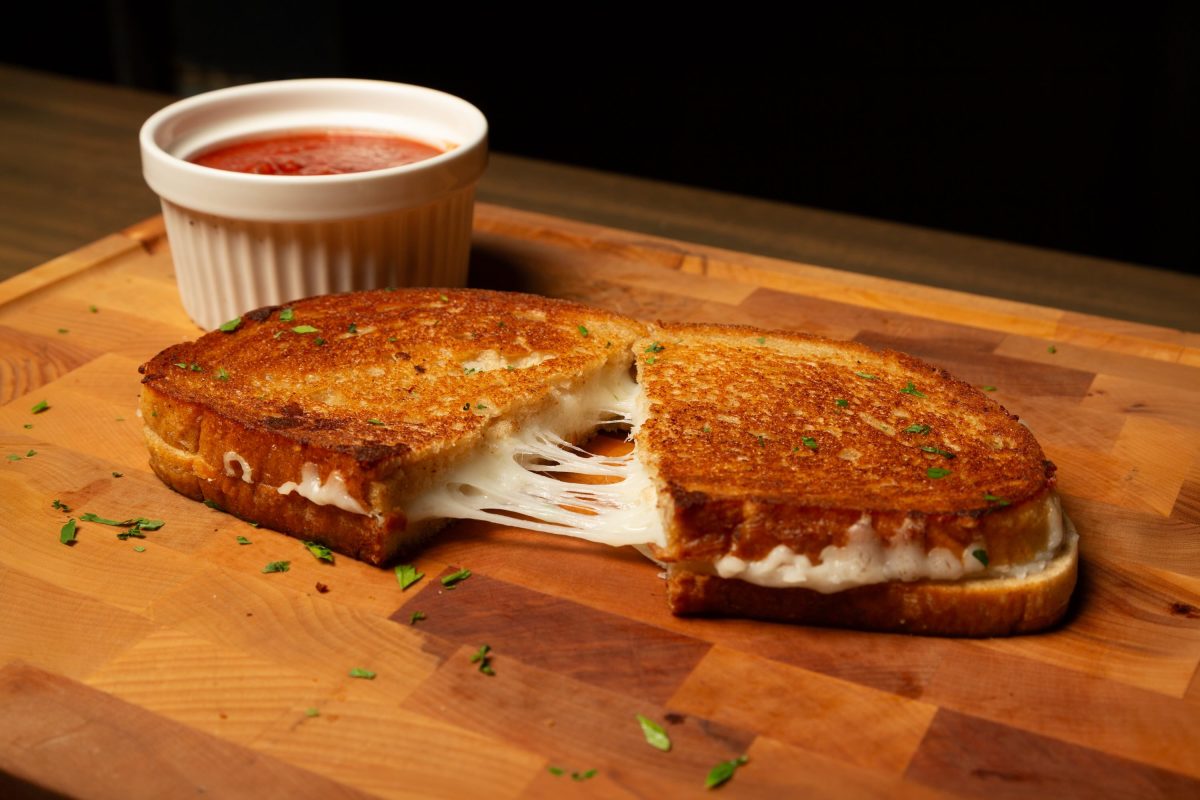
A startup named AuX Labs now claims to produce casein without cows, allowing for vegan cheese that tastes and feels like dairy cheese. “Melt and stretch are non-negotiables,” said Ted Jin, AuX Labs’ co-founder and CEO.
AuX is using bioreactors to produce casein, though it’s not the first to try this. The startup aims for its cheese to be as cost-effective as dairy cheese by leveraging its strategy: partnering with microbreweries.
The microbrewery industry expanded significantly over the past decades, reaching nearly 10,000 microbreweries in the U.S. alone. However, the pandemic led to a decline in alcohol consumption according to Gallup, leaving many breweries with excess capacity.
“I don’t want to disparage their existing business because I’m a big supporter of them as well,” said Jin, mentioning there is a lot of unused capacity.
AuX developed its microbial strains and fermentation process with microbreweries in mind. This partnership benefits both: Brewers gain a new business line, and AuX accesses fermenters without requiring substantial capital investment.
“When we talk about finding capital to build new infrastructure for fermentation and brewing proteins, I think the answer is there already,” said Jin, a former Proctor and Gamble employee. “The challenge is how to use that capacity.”
To bring its cheese to market, AuX raised $4 million, exclusively shared with TechCrunch. The funding round was led by NYA Ventures and Nàdarra Ventures, with participation from Bluestein Ventures, Builders VC, Congruent Ventures, and Verdex Capital.
Currently, AuX collaborates with breweries to meet its product standards, but eventually, Jin envisions selling kits with microbes and instructions to enable breweries to operate independently.
This would result in facilities producing casein “biologically identical to the one found from animal protein,” said Jin. The main difference would be environmental: Dairy-free casein production uses significantly less land and water and generates about 90% fewer greenhouse gas emissions.
The cheese market is valued at about $165 billion, according to Mordor Intelligence, and casein also serves as a stabilizer and emulsifier in various parts of the food system.
Jin states AuX’s platform can develop more than just the one protein, though he didn’t reveal the company’s future plans. It likely involves food. “Maybe it sounds corny, but I just want to build a better food system for my kids,” said Jin.