Comparison of iPhone 18 Pro and iPhone Ultra: Three Essential Attributes to Evaluate for Your Upgrade

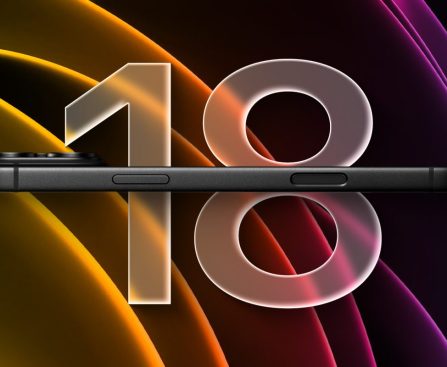
Apple’s autumn iPhone series this year is speculated to center around the iPhone 18 Pro and iPhone Ultra. Below are the three major feature distinctions—not including cost—that might impact your upgrade choice.

## Form factor: Conventional vs foldable

This distinction is the most apparent, yet it’s important to mention as it also holds the most weight.

iPhone 18 Pro and Pro Max will maintain the same fundamental form factor that the iPhone has featured for years. They are rumored to retain the identical screen size and overall look as their forerunners. If you prefer a classic iPhone experience, iPhone 18 Pro will be your ideal option.

On the other hand, iPhone Ultra will mark Apple’s inaugural foldable model. This represents a dramatically different form factor, with an outer display that is shorter and wider compared to a conventional iPhone, and an inner display that mimics an iPad mini.

## Cameras: Pro will continue to be the top choice

Apple has consistently included its finest, most groundbreaking camera technology in its Pro models. This trend is set to persist this year.

iPhone Ultra is anticipated to provide many of the same camera capabilities as iPhone 18 Pro, with one major exception: it will lack a Telephoto camera.

Speculation suggests that iPhone Ultra will still feature the same Main, Ultra Wide, and front cameras as the Pro series. However, the Telephoto lens will be exclusive to the Pro model and is expected to undergo improvements this year.

## Performance: A20 Pro chip in both, but materials are crucial

Both iPhone 18 Pro and iPhone Ultra are expected to be equipped with the same A20 Pro chip. Nevertheless, the performance level may vary slightly due to design and material differences.

iPhone 18 Pro will utilize the same aluminum unibody design as iPhone 17 Pro and will also include a vapor chamber for cooling. These modifications resulted in improved overall performance for iPhone 17 Pro compared to its predecessor, as the device can maintain cooler temperatures during demanding tasks.

Conversely, iPhone Ultra will boast a sleek titanium-based design similar to the iPhone Air and is not anticipated to incorporate a vapor chamber. Thus, while it will have the same chip, it might show lower performance when exposed to sunlight or during high-intensity tasks.

Are you considering whether to choose an iPhone 18 Pro or an iPhone Ultra? What differences will affect your decision? Share your thoughts in the comments.

ChatGPT downloads are slowing — and may cause problems for OpenAI’s IPO

ChatGPT is struggling to keep up its once-explosive growth as users uninstall the app or opt for rival chatbots instead. According to data from market intelligence firm Sensor Tower, ChatGPT experienced a 132 percent increase in uninstalls year over year in April. Its uninstall rate was even higher last month, up 413 percent year-over-year, following […]

Tumbler Ridge Families File Lawsuit Against OpenAI for Not Reporting Suspect’s ChatGPT Activity to Police

Seven families of victims injured or killed in the Tumbler Ridge school shooting in Canada have filed lawsuits against OpenAI and CEO Sam Altman, accusing the company and its leadership of negligence after they failed to alert police to the suspected shooter’s ChatGPT activity. The families allege OpenAI stayed silent after its systems flagged activity […]

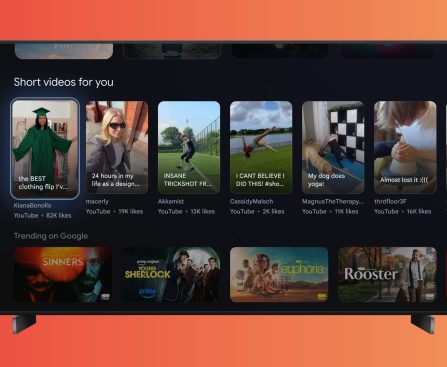
Dedicated Row for YouTube Shorts Added to Google TV

Google is making it easier to jump into watching YouTube Shorts on its TV devices without having to open the dedicated YouTube app. The Google TV homepage will soon introduce a new “Short videos for you” row that features a feed of personalized videos. The update is expected to roll out to Google TV devices […]

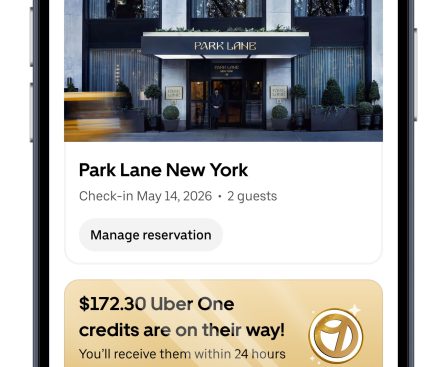
Uber Expands App to Include Hotels in Major Travel Initiative

Open Uber’s app and you’ll see options to hail a car, order some food, or go grocery shopping. And starting today, you’ll see something new: hotels. In a major expansion into the world of travel accommodations, Uber says that it’s adding the ability to book and pay for a hotel room to its app. The […]

The Best Deals We Found During Amazon’s Gaming Week

Amazon’s annual Gaming Week is bringing discounts on video games, accessories, and PC components through May 4th. This event is smaller than Amazon’s other sales, but there are some genuinely good deals. This year, we’ve found deals on popular titles like Elden Ring Nightreign, plus rare discounts on the Nex Playground console and on top-notch […]

The History of QR Codes Linked to a Well-Known Board Game

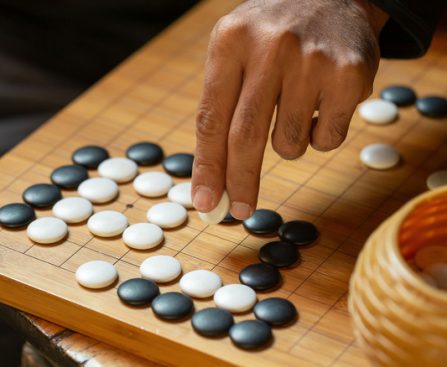
QR codes, also known as Quick Response Codes, may have surged in fame in recent years, but they have existed for quite a while. First launched in Japan in 1994, QR codes are now omnipresent, appearing in venues ranging from dining establishments to industrial environments. Despite their prevalence, many individuals are unaware that QR codes are inspired by the classic board game “Go.”

The grid-oriented game served as the creative influence for QR codes, which can store considerably more information than traditional barcodes and present notable advantages over previous scanning technologies. Nowadays, with all modern smartphones equipped with scanning capabilities, QR codes have evolved beyond their initial design. They were initially developed by the Japanese automotive parts manufacturer Denso Wave to serve as a replacement for UPC barcodes, which lacked sufficient data for efficient inventory tracking on manufacturing lines.

Masahiro Hara, a Denso Wave employee, took inspiration from the game “Go” to design the QR code, eventually replacing barcodes in production facilities. Denso Wave recognized the potential of QR codes and made them available for free worldwide, although they continued to sell the scanning devices. The company has since shifted focus, as smartphones can now perform the scanning functions.

What is Go? The board game that inspired QR codes

“Go” is a timeless game, comparable in complexity to chess or checkers. The oldest known reference dates back to China around 548 B.C., and it gradually made its way to Japan and Korea, where it has consistently remained popular. After being played for millennia outside of Asia, it was only introduced to the West in the 19th century, where it has not gained much traction, largely due to the dominance of games like chess.

So, how do you play? Two opponents compete on a 19-by-19 grid, aiming to control as much territory as possible. The game is traditionally played with black and white stones placed at the intersections of the grid. The opposing player must then surround these stones, and once encircled, those stones are captured and removed from the board.

The deeper you explore the game, the more intricate “Go’s” endless complexity reveals itself. For example, it wasn’t until 2016 that Google’s AlphaGo succeeded in defeating a human player, whereas DeepBlue triumphed over chess master Garry Kasparov in 1997.

Why are QR codes superior to UPC barcodes?

In addition to being physically simpler to scan on products within an industrial context, QR codes also contain substantially more information than UPC barcodes. This advantage stems from their modular construction—those black and white squares are referred to as modules. Each version incrementally adds four additional modules on both sides, with QR codes having reached version 40, which accommodates 177 modules. Version 1, a 21-by-21 QR code, can hold up to 152 bits, while version 40 can accommodate 23,648 bits. In terms of alphanumeric storage, a UPC barcode can retain 12 digits through its vertical bars, whereas a QR code extends horizontally, with version 40 supporting as many as 4,296 alphanumeric characters simultaneously.

This vast capacity for information enables QR codes to be significantly more versatile than UPC barcodes. Links, images, and a variety of other content can be embedded within a QR code to direct users to, for instance, a restaurant menu or a webpage displayed on a poster. It has become an essential part of public transportation in China, seen on train tickets nationwide, and has emerged as a useful tool for businesses to eliminate the need for customers to manually enter URLs in their web browsers prior to accessing promotional sites.

The Factors Contributing to Bluetooth’s Ongoing Reliability Challenges

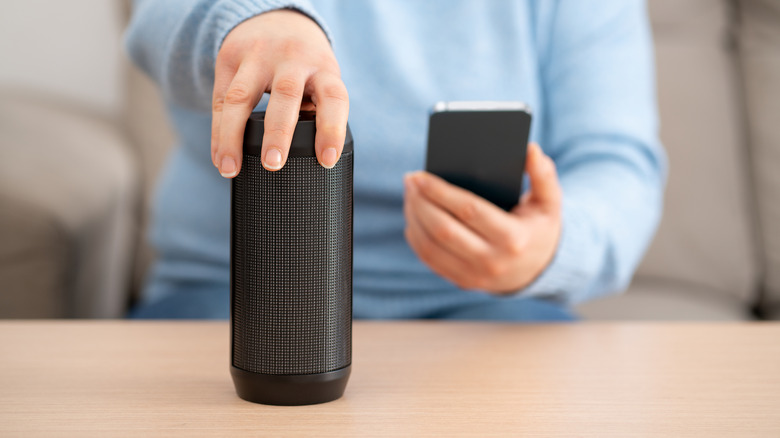
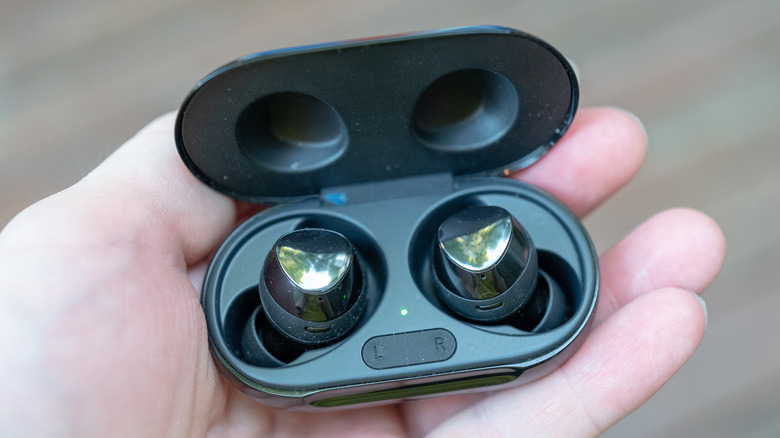
Disrupted connections, choppy sound, and possibly the most infuriating issue of all, trying repeatedly to connect a new device to no avail: For a technology that has been around for nearly thirty years, Bluetooth can be quite frustrating. Although it has undoubtedly advanced over time, it remains inconsistent and unreliable in numerous (regrettably rather common) situations.

You might argue that much of this inconsistency isn’t solely Bluetooth’s responsibility. It’s attempting to perform a challenging task in an increasingly congested environment. Governed by an organization known as the Bluetooth Special Interest Group (SIG), Bluetooth is persistently being competed against by other signals and emerging technologies.

That being said, one of the primary challenges with Bluetooth isn’t precisely the SIG’s concern: It boils down to signal interference. Bluetooth functions on the 2.4GHz frequency band, which is also saturated with signals from everything ranging from Wi-Fi to wireless devices using their own specific adapters, and even older devices like microwaves. Frequency hopping, a method where a signal rapidly changes channels within the 2.4GHz band, can alleviate some of these challenges. However, Bluetooth will perpetually grapple with interference and data loss.

Bluetooth: the silent force behind the scenes

Bluetooth serves as a crucial link between devices, enabling communication and interaction perhaps more seamlessly than any other wireless technology. Yet its inherent limitations lead to complexities, often resulting in frustration for users who expect a flawless experience.

As more devices adopt Bluetooth technology, efficiency and performance can suffer due to increased demand on the available bandwidth. It begs the question: Is the future of Bluetooth sustainability in jeopardy, or can advancements in technology help mitigate these issues?