
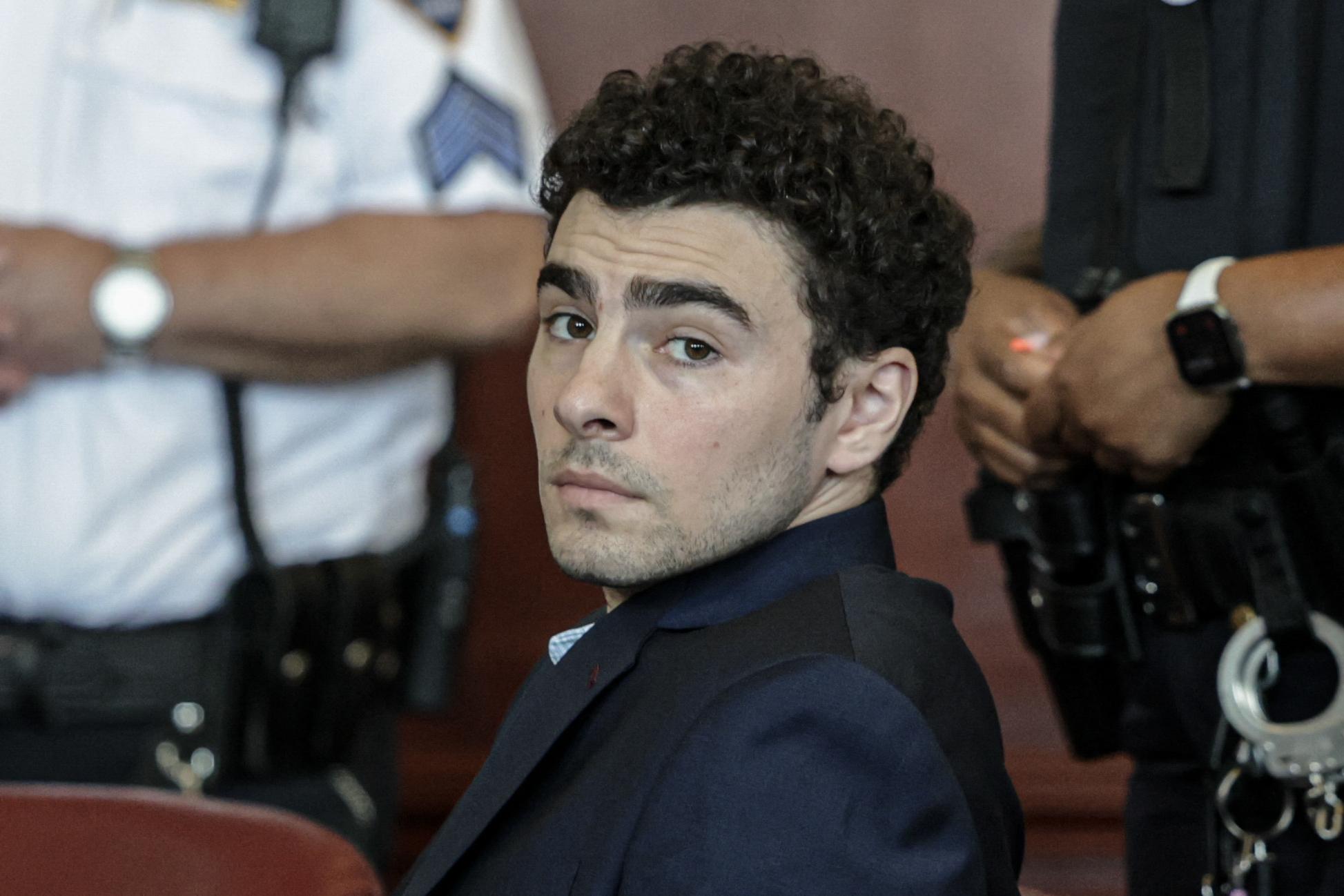

On Monday morning, a judge in the New York state case regarding the killing of the UnitedHealthcare CEO ruled that certain evidence gathered by the police could not be presented to the jury.
Outside the courthouse, New York Daily News reporter Molly Crane-Newman recorded attendees making incendiary remarks. One attendee, Lena Weissbrot, said Brian Thompson’s children, who lost their father in December 2024, were “better off without him” and “needed to learn to not be like their dad.” Another attendee, identified only as Ashley, declared, “I’m standing on business. Fuck Brian Thompson. I don’t give a flying fuck he died.” They further discussed the US for-profit healthcare system and individuals who died from lack of medical care.
While this might typically be a minor tabloid news item akin to previous coverage of Luigi Mangione, the man accused of murdering Thompson, the presence of press credentials with the attendees made it a significant story. These attendees, regulars at the courthouse supporting Mangione, were wearing city-issued press passes.
Local reporters criticized the city for issuing press passes to these supporters, who manage social media accounts as “The Mangionistas.” Former Mayor Eric Adams called them “reporters” and criticized the current administration’s decision to credential them.
The criteria for obtaining city-issued press passes include providing six examples of reporting, which could be in various formats. Defining a member of the press involves those who gather and report news through multiple media forms. This raises questions about the distinction between reporters and those merely witnessing events and posting about them. It creates complexities in defining journalism, potentially affecting smaller outlets or independent journalists.
The city’s need for stricter credentialing is underscored by the access press passes grant, including crossing police lines and attending events. Before this incident, there were concerns over credentialing practices when a local political candidate known as the “Sperminator” was issued a press pass during Adams’s administration. He was later barred from renewing his credentials after accusations of impersonating a reporter. If anyone can become “media,” the value of credentialing diminishes.
By evening, The New York Times reported that Mayor Zohran Mamdani’s administration was reconsidering the press credentialing process. Mayor Mamdani, addressing the issue, said that the Mangionistas should not have been issued press passes. The Mangionistas did not comment but City Hall referred to Mamdani’s statement that they don’t fit within the eligibility for press credentials. Weissbrot has published reports from hearings on a blog but didn’t disclose organizing for Mangione. An email to the blog was not returned.
Karen Friedman Agnifilo, Mangione’s attorney, disavowed the attendees, stating they don’t represent Mangione or his supporters, emphasizing only his attorneys speak for him and condemning the attendees’ statements.
The case blurs lines between journalists, influencers, fans, and activists. It questions who decides what is reporting and who is barred under more stringent rules. The case also highlights divisions in Mangione’s support network and the complexities of turning a defendant into a media figure.
As public participation marks this case, Mangione’s legal defense fund has exceeded $1.5 million. The trial’s jury selection will likely involve inquiries into prospective jurors’ engagements with related online content. This highlights the issues arising from being an internet-famed defendant where some supporters’ missteps can lead to public scrutiny.