
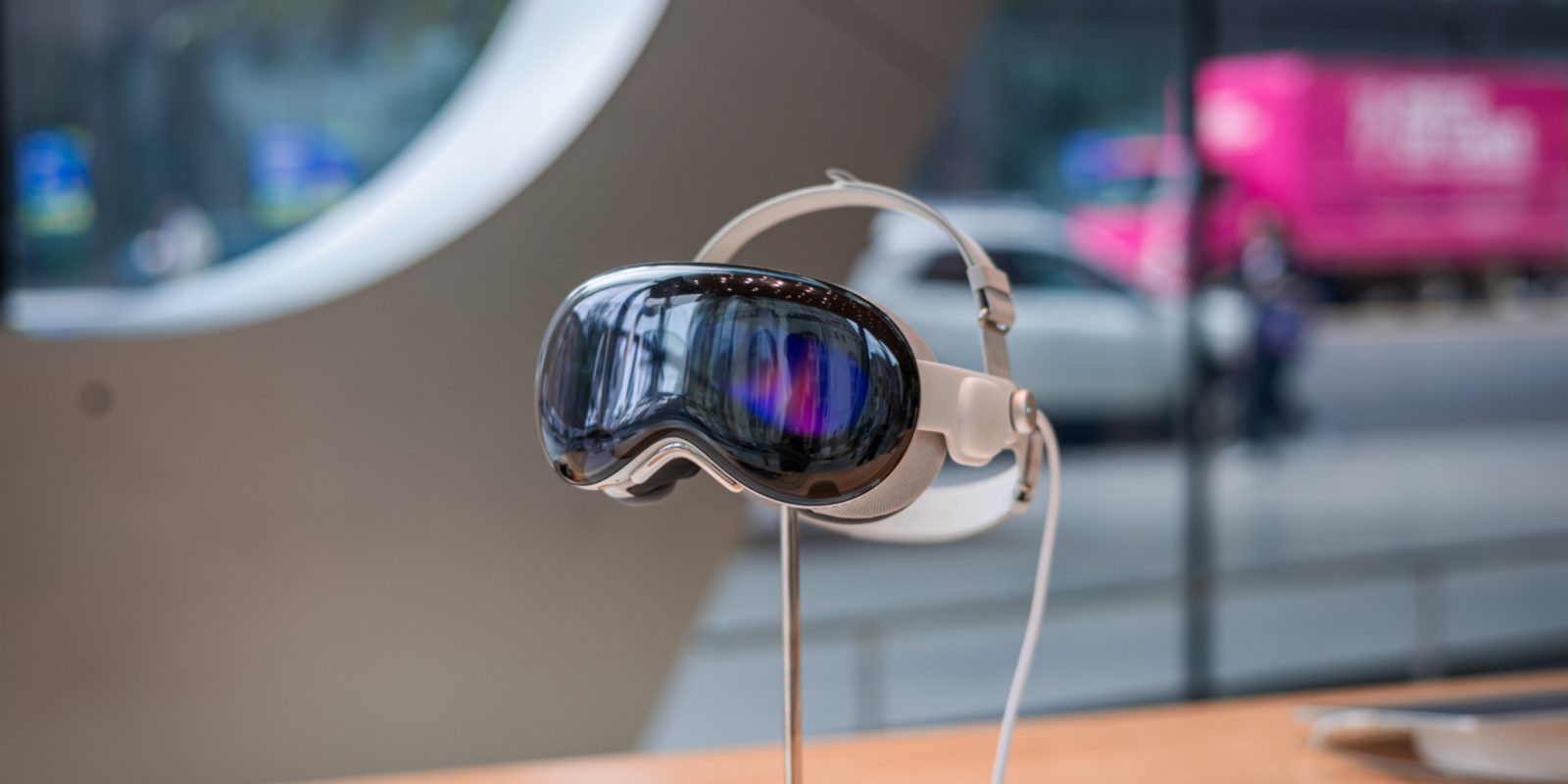

# Apple Vision Pro: A New Horizon or an Overlooked Chance?
Apple Vision Pro has become one of the most captivating yet confusing product introductions in Apple’s timeline. Marketed as the inception of a fresh product category and the next evolution of computing, the Vision Pro headset has generated both enthusiasm and doubt among consumers and industry professionals alike.
## Jack of All Trades, Master of None
The Vision Pro features a variety of impressive functionalities, but many seem underdeveloped. For example, the Mac Virtual Display function stands out, yet the headset’s weight can make extended use unpleasant. Although watching films and programs with the headset can be a delightful experience, the absence of native applications from several streaming services restricts its practicality. Moreover, while the multitasking capabilities show promise, typing remains awkward, and dictation features trail behind expectations.
Having acquired a pre-owned Vision Pro six months ago, the experience has not been particularly engaging. Even at a reasonable price, the discomfort and various trade-offs associated with the device have not encouraged a longing for long-term use. Many challenges arise from hardware restrictions, but a considerable part pertains to the necessity for more polished software and clearer application scenarios. With effective leadership and a dedication to enhancement, there is a chance for the Vision Pro to progress.
## The Elephant(s) in the Room
A significant element influencing the Vision Pro’s current situation is a perceived lack of conviction from Apple’s leadership. Tim Cook has long been an advocate for augmented reality (AR), yet the Vision Pro seems to be just a stepping stone towards a grander vision. Reports indicate that Cook has often been hesitant to make firm product decisions, frequently deferring to his executives. This reluctance may clarify why the Vision Pro appears underdeveloped and lacks fervor.
John Ternus, who reportedly has concerns about the Vision Pro in its present state, is now stepping into a leadership position with the potential to redirect the product’s path. His initial doubts may not necessarily signal a pessimistic view; instead, they could represent a wish to refine the platform for improved results. Ternus has communicated optimism about the Vision Pro’s future, indicating that the product is still in its nascent phase and possesses significant room for advancement.
## Wrap Up
While major alterations to the Vision Pro might not happen right away, the shift to Ternus as CEO could mark the beginning of a new chapter for the product. With visionOS 27 already under construction and reports of a lighter, more budget-friendly headset being postponed, any possible revival for the Vision Pro may not come to fruition until at least 2028.
The idea of shared experiences via the Vision Pro carries immense potential, especially for engaging with friends and family over distances. Nonetheless, the success of this vision depends on strong leadership and a resolve to make the headset appealing and accessible to a wider audience. If Apple can tap into the potential of the Vision Pro, it may still transform into a groundbreaking product in the domain of augmented reality and computing.