
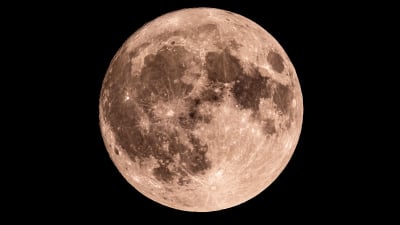

We are currently in the Waxing Crescent phase, with the moon expanding nightly as the lunar cycle progresses. This is the fifth day of the cycle, leading up to a Full Moon in May. As of April 22, the Moon is in the Waxing Crescent phase, with 30% of it illuminated according to NASA’s Daily Moon Guide. Observers can see the Mares Crisium and Fecunditatis with the naked eye, while Endymion and Posidonius Craters can be visible with binoculars. A telescope allows viewing of the Apollo 17 landing site. The next Full Moon will occur on May 1, the first of two in the month.
Moon phases occur as the Moon orbits Earth, showing the lunar surface in eight stages over about 29.5 days. These phases include:
1. New Moon – Invisible as the Earth-facing side is dark.
2. Waxing Crescent – A sliver of light emerges on the right.
3. First Quarter – The right half is illuminated, appearing as a half-Moon.
4. Waxing Gibbous – More than half is visible but not fully.
5. Full Moon – Fully visible and illuminated.
6. Waning Gibbous – Light begins to decrease on the right.
7. Third Quarter – The left half is lit, also a half-Moon.
8. Waning Crescent – A sliver of light remains on the left before it turns dark again.