

The eagerly anticipated breakthrough in battery technology that we have been waiting for is finally occurring. Most smartphones and mobile devices rely on lithium-ion batteries. The downside to this is that the liquid electrolytes contained in lithium-ion batteries are highly combustible. However, step by step, the next wave of battery technology is approaching widespread adoption.
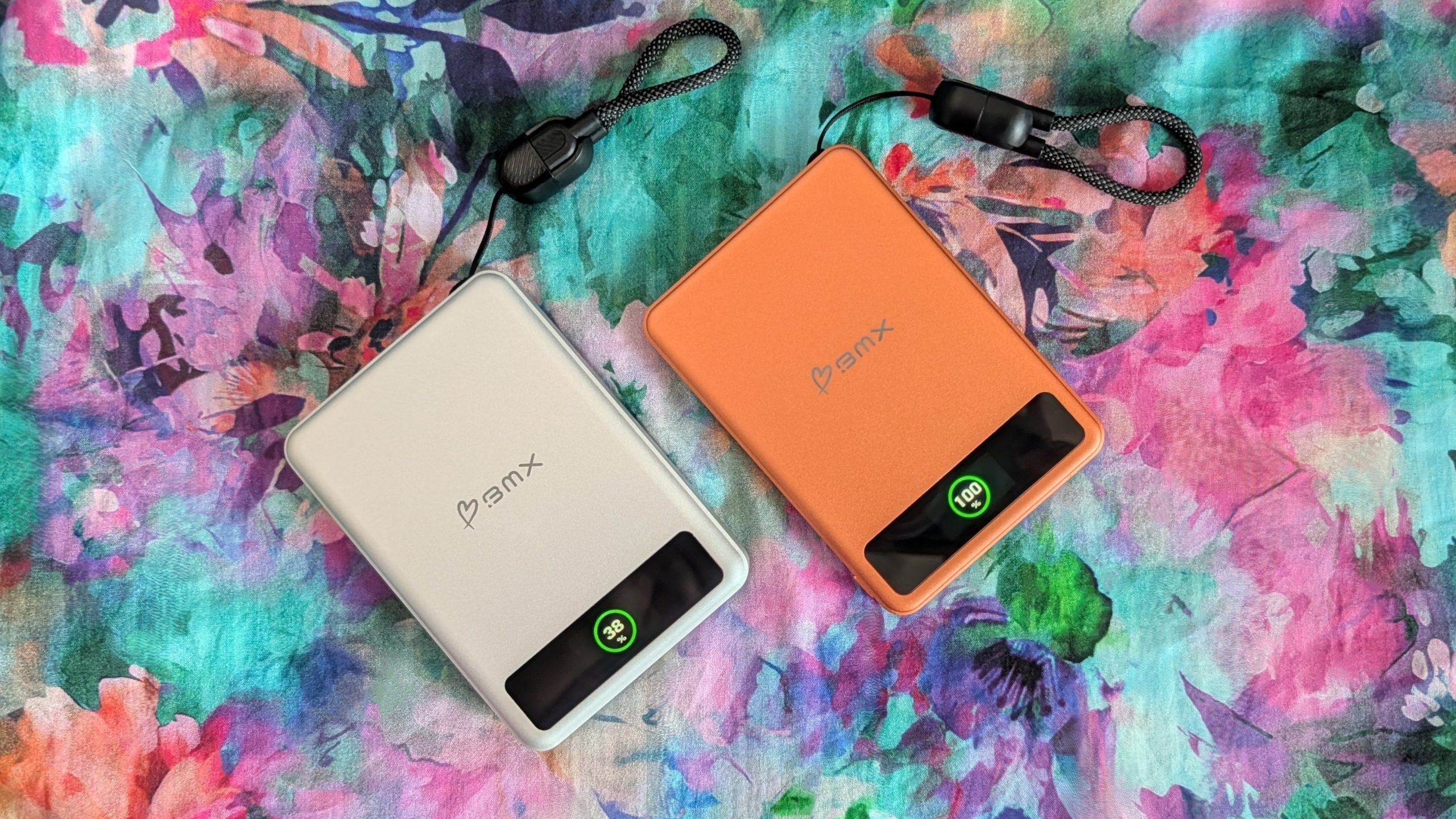
BMX is among the first brands globally to introduce consumer products featuring the latest solid-state battery technology at CES 2026, commencing with the SolidSafe Qi2 power banks which come in 5,000mAh and 10,000mAh models.
What makes solid-state power banks exceptional
It is quite straightforward to grasp why the BMX SolidSafe Qi2 power banks are safer than conventional lithium-ion power banks. Solid-state batteries, or “dream batteries” as referred to by Samsung, substitute the flammable liquid component with solid materials such as ceramics, sulfides, and polymers. Although these batteries can be rather costly, the diminished safety hazards (fires and swelling) and enhanced capacity density are several of the significant benefits.
Nonetheless, these power banks are not entirely solid-state. They employ semi-solid-state batteries, indicating that around 10% of the battery still contains liquid electrolytes. While this might slightly diminish the safety aspect, it likely explains why the BMX SolidSafe 5K and 10K solid-state power banks are not exorbitantly priced.
A typical Qi2 power bank with a 5,000mAh capacity from a manufacturer like Anker will set you back approximately $45 to $50. The BMX SolidSafe 5K Solid-State Magnetic Power Bank is priced only $10 to $15 higher. It charges wirelessly at 15W and via USB-C at 20W.
On the other hand, the larger BMX SolidSafe 10K Solid-State Magnetic Power Bank retails at $80. It offers 15W wireless charging and 30W wired charging through USB-C. Comparable lithium-ion Qi2 power banks available tend to range from $60 to $70, making the BMX option just $10 to $20 more expensive.
In return for the relatively small premium attached, these semi-solid-state power banks from BMX ensure a notably safer user experience. They are considerably less flammable and provide improved temperature stability.
The comparison between lithium-ion and solid-state batteries
Another significant advantage of all-solid-state or semi-solid-state batteries is their longevity. They not only charge more quickly but also exhibit greater heat efficiency and enhanced durability in extreme weather conditions. This is not merely marketing jargon; it is supported by scientific evidence.
Moreover, solid-state batteries are characterized by a higher capacity density. Therefore, they can contain more energy in a more compact form. A 10,000mAh solid-state power bank can be as small, slender, and lightweight as a 5,000mAh lithium-ion power bank.
This is clearly illustrated with the BMX SolidSafe Qi2 power banks, which are astonishingly slim. I have observed that the 10,000mAh solid-state power bank from BMX is thinner than lithium-ion counterparts with the same or lower capacity from leading brands like Anker, UGREEN, INIU, and Baseus.
Yet another remarkable advantage of solid-state batteries is their extended lifespan. Just like car engines lose power over time, lithium-ion batteries do as well.
Most lithium-ion batteries have a maximum limit of charge cycles they can reach before their performance degrades. This explains why battery life diminishes over time. In contrast, solid-state batteries can endure more charge cycles.
In fact, Jerry Hildenbrand approximated that a solid-state battery could provide 45,000 charge cycles on paper, theoretically doubling the lifespan of a typical lithium-ion battery.
Considering all factors, individuals would naturally prefer the safer, more durable, and longer-lasting option when given the choice between lithium-ion and solid-state batteries.
While an all-solid-state power bank might be pricier, the 5,000mAh and 10,000mAh semi-solid-state options from BMX are quite reasonably priced. Even though up to 10% of their composition is made up of flammable liquid electrolytes, they still offer significantly improved safety and longevity compared to standard lithium-ion alternatives.
BMX boasts attractive specifications such as 15W wireless charging, 20W/30W wired charging, Qi2 compatibility, a USB-C cable that doubles as a lanyard, and three stylish color options. For just a modest increase of $10 or so compared to standard models, you receive a contemporary, portable, and lightweight power bank featuring the latest specifications and a compact design.
This is merely the beginning of the battery technology revolution. I look forward to seeing more solid-state battery products enter the market. Perhaps we may even witness the emergence of silicon-carbon battery power banks on the shelves, expanding the array of safe battery options for everyone.