

Legacy social media platforms have traditionally been engineered to keep users engaged with constant streams of memes and videos, serving as lucrative venues for advertisements. Recently, however, there has been a shift towards encouraging real-life experiences and offering non-addictive products without features like infinite scrolling.
Bond, which debuted on Tuesday, is among these new platforms. According to Dino Becirovic, Bond’s co-founder and CEO, the site proposes an AI-driven approach to addressing screen addiction.
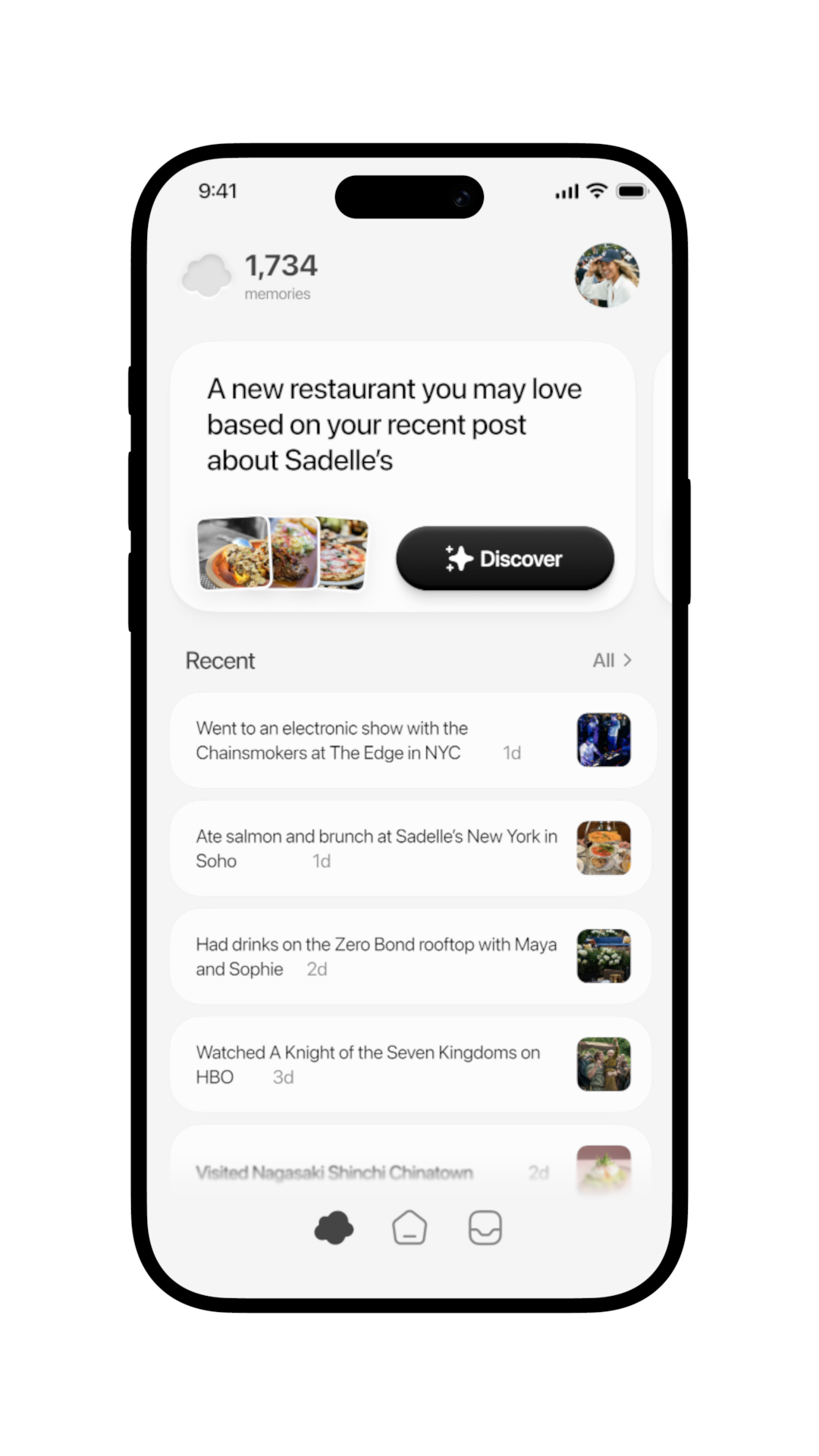
Bond operates similarly to standard social media sites, enabling users to share their recent activities. Users can refresh their profiles with “memories” using different mediums such as images, videos, and audio clips.
Unlike other platforms, Bond aims to inspire users with real-world ideas and activities.
Memories shared on Bond inform its AI system, which learns to provide personalized, event-focused suggestions to users, explains Becirovic.
For example, frequent posts about enjoying Pho may lead Bond to suggest a top-rated local Vietnamese spot. Metal music enthusiasts might find out through Bond that Iron Maiden will soon perform nearby.
The more users document their experiences, the more accurate Bond’s recommendations become, says Becirovic.
The platform diverges from the common social media model by moving users offline toward real-life activities, countering trends like “bed rotting” and “doomscrolling.”
The design resembles Instagram but with a cluster presentation of user profiles instead of a feed. User stories appear upon clicking profiles, disappearing after 24 hours publicly but saved privately. Users can access their archived memories anytime.
Bond’s team includes professionals who previously contributed to major platforms like TikTok, Twitter, and Facebook. Becirovic’s background includes roles at Kleiner Perkins and Index Ventures, with founding researcher Arthur Bražinskas having co-led Google’s Gemini user signals integration.
As for revenue, instead of ads, Bond anticipates allowing users to license their data for AI training, with Bond earning a minor percentage of these proceeds. This model also positions Bond as a valuable data resource for AI training.
“The concept with the licensing model is monetizing memories,” Becirovic explains. “We aim to become a desirable platform for training future GPT models by motivating widespread daily user content.”
Another potential path involves Bond’s data enriching product recommendations with e-commerce integration. Users would consent to this, benefiting from improved user experience and driving merchant transactions, according to Becirovic.
Becirovic asserts Bond won’t sell user data for advertising purposes. Users can delete specific memories or entire profiles if dissatisfied, with promised future enhancements for data privacy controls.
While current protection is unspecified, Becirovic emphasizes the future importance of E2EE encryption, noting secure current data storage.
Currently, Becirovic prioritizes making Bond appealing. “Monetization isn’t a short-term focus,” he says. “We concentrate initially on enhancing the user experience as they capture more memories.”