
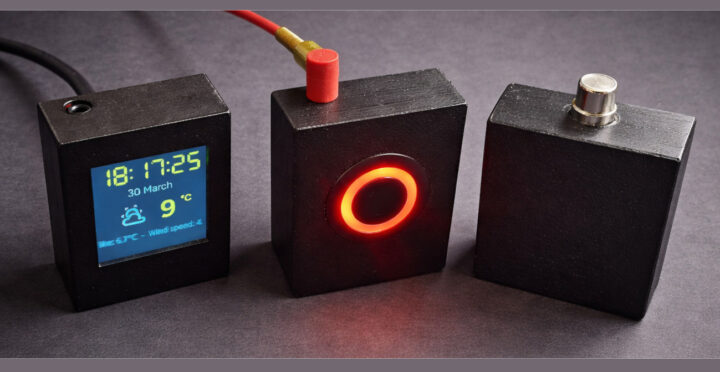

SendspinZero is an open-source, DIY Sendspin audio receiver for amplifiers using parts costing around $10 and a 3D printed case. It syncs with Home Assistant for multi-room audio.
But what is Sendspin? It’s an open, royalty-free protocol from the Open Home Foundation for synced audio across devices and rooms. It also supports visuals for album art and music control, with audio-reactive lights coming soon. The protocol fosters open-source products to rival systems like Sonos, AirPlay, or Google Cast, and pairs well with the Music Assistant add-on for Home Assistant.
Sendspin audio receiver core elements include:
Prices vary, often showing “welcome deals” for $0.99. The display plus 3.5mm audio jack module costs slightly over $10 pre-tax and shipping, barring discounts.
You can create nine versions with three audio outputs (Coax S/PDIF, Analog Stereo, optional S/PDIF) and either no display, a 1.54-inch display, or a bicolor button.
You’ll need a 3D printer for casing, and a soldering iron for wiring inside the enclosure. It’s not too complex to assemble and can be tested with a breadboard.
The ESP32-S3 board simply needs ESPHome using YAML configuration files available for all versions and 3D enclosure files on GitHub, alongside detailed instructions. Other variants like a 1.9-inch display + bi-color button are also outlined.
No GitHub info for Home Assistant + Music Assistant integration, so refer to the official documentation for details.
Thank you to Hedda for the tip.
Jean-Luc started CNX Software part-time in 2010 before going full-time in 2011, writing daily news and reviews.
Support CNX Software! Donate via cryptocurrencies, become a Patron on Patreon, or shop on Amazon or Aliexpress. We use affiliate links to earn commissions on purchases made through them.