

The fire season in California has begun early this year, with fires nearing a former nuclear test site near Los Angeles. The increasing occurrence of natural disasters in California and globally requires attention and venture investment from Silicon Valley.
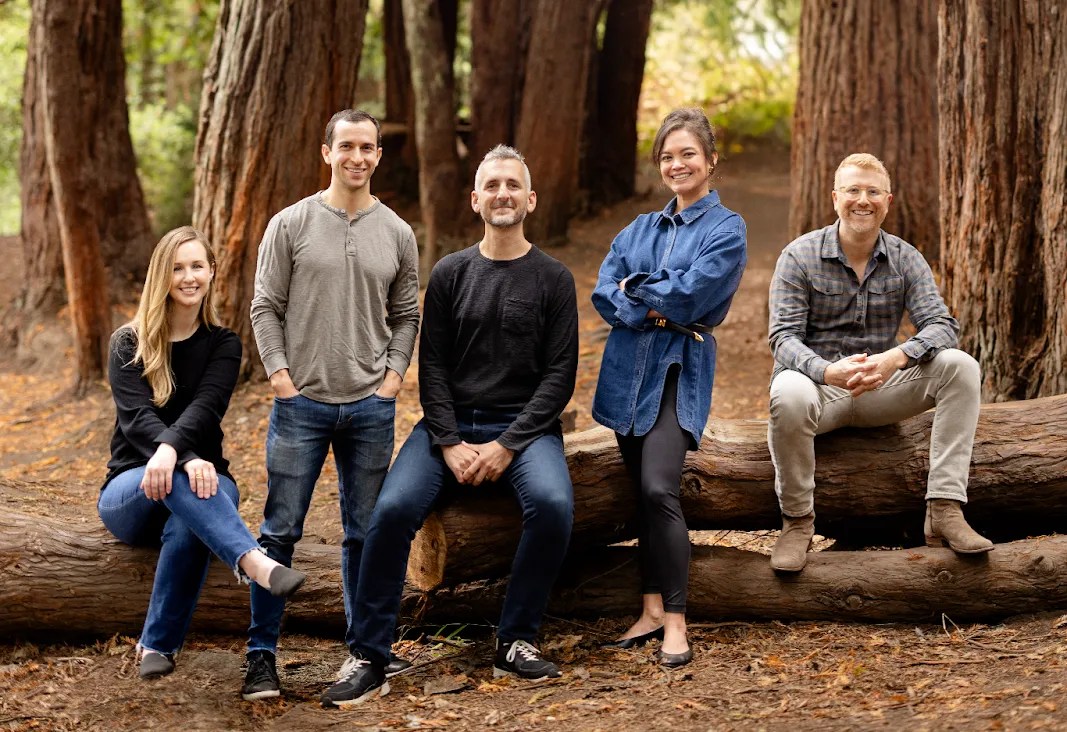
Convective Capital, led by Bill Clerico, announced an $85 million fund on Thursday, following a $35 million fund raised in 2022. The initial fund was mainly supported by wealthy individuals, including Clerico, a cofounder of WePay sold to JPMorgan for $300 million in 2017. The new fund is primarily backed by institutions like insurance companies and asset managers.
Convective initially focused on “firetech,” investing in companies such as Pano with AI-powered fire-detection cameras, Raine with autonomous firefighting aircraft, Burnbot creating brush-clearing robots, and Stand, an insurance company aiding homeowners in fire-proofing their properties.
With the new fund, Convective is expanding its focus to resilience in “risk management in the physical world.”
“There’s $60 trillion of real estate at high risk from disasters, and the U.S. spends a trillion dollars annually on disaster mitigation and recovery,” Clerico told TechCrunch. “The worsening situation allows private markets to intervene—utilities going bankrupt, insurers exiting major markets, these are substantial economic events creating markets for new solutions.”
The new fund’s initial investments include The Lumber Manufactory in timber mills for economical forest management, Drafted using AI for home design, Voltaire (a Y Combinator-backed firm) developing drones for power line inspection, and Edge Technologies, creating insurance products against volatile commodity prices.
Convective’s first fund has seen companies generate $100 million in revenue and reach a collective $2 billion valuation. Clerico noted 79% of his first fund’s companies moved from seed to Series A, exceeding industry benchmarks.
The nascent field sees Convective aiding founders in connecting with challenging customers like utilities, insurers, and government agencies. A key discussion has been encouraging insurers to invest in disaster-mitigation technologies. Clerico notes a shift, partly due to insurance startups like Stand and Delos backed by Convective.
“There’s a wave of new insurers filling the gap left by incumbents,” Clerico stated. “This is a great opportunity for investors but is also prompting incumbents to change their business approaches.”
Clerico mentioned AI tools boosting productivity for early-stage teams while enabling new fire-detection methods with sensor data or simulations. However, the drive to build data centers is increasing demand for the services provided by Convective’s companies.
“[AI] significantly pressures energy and water systems due to data center construction,” he said. “It’s not just a portfolio element but creates market opportunities for our portfolio by adding stress to physical systems.”