

The relentless demand for AI computing power has led data center entrepreneurs to explore space as a solution. The main challenge is the scarcity and high cost of rocket launches needed to place data centers in Earth’s orbit.
Many companies are looking to SpaceX’s Starship, anticipated for its twelfth test flight soon, as a potential solution. However, commercial availability may take years due to SpaceX’s internal satellite commitments. Similarly, Blue Origin’s New Glenn rocket, which recently failed its third satellite launch, also faces delays.
Some space data center projects aim for the mid-2030s, like Google Suncatcher, or focus on initial edge processing for space sensors, such as Starcloud. However, another approach exists: Cowboy Space Corporation’s CEO Baiju Bhatt reveals plans to develop their own rocket program, with a launch expected by 2028.
The company secured a $275 million Series B funding, at a $2 billion valuation, led by Index Ventures and supported by firms like Breakthrough Energy Ventures, as an investment towards this goal. Originally launched as Aetherflux in 2024, the company intended to harness solar energy from space, pivoting later to space data centers, leading to the development of a rocket program and a new company name.
Bhatt’s attempts to rely on existing launch providers were hampered by insufficient capacity for scaling an orbital data business economically. Despite the emergence of new rockets, Bhatt anticipates demand will outpace supply. Bringing rocketry in-house is challenging but necessary as other Western private companies, like SpaceX and Rocket Lab, dominate commercial launches, and others face development issues.
Cowboy Space’s evolution places it in direct competition with major space companies like SpaceX and Blue Origin. Bhatt believes the market size allows multiple successful players, driven by increasing AI demand and limited terrestrial options. Cowboy Space focuses on data centers, integrating them into the rocket’s second stage, mirroring the design of early US satellites like Explorer 1.
The purpose-built design simplifies construction, with satellites weighing 20,000-25,000 kg, generating 1 MW for nearly 800 GPUs, making the rocket slightly more powerful than SpaceX’s Falcon 9 but smaller than the developing Starship. Bhatt envisions a reusable booster.
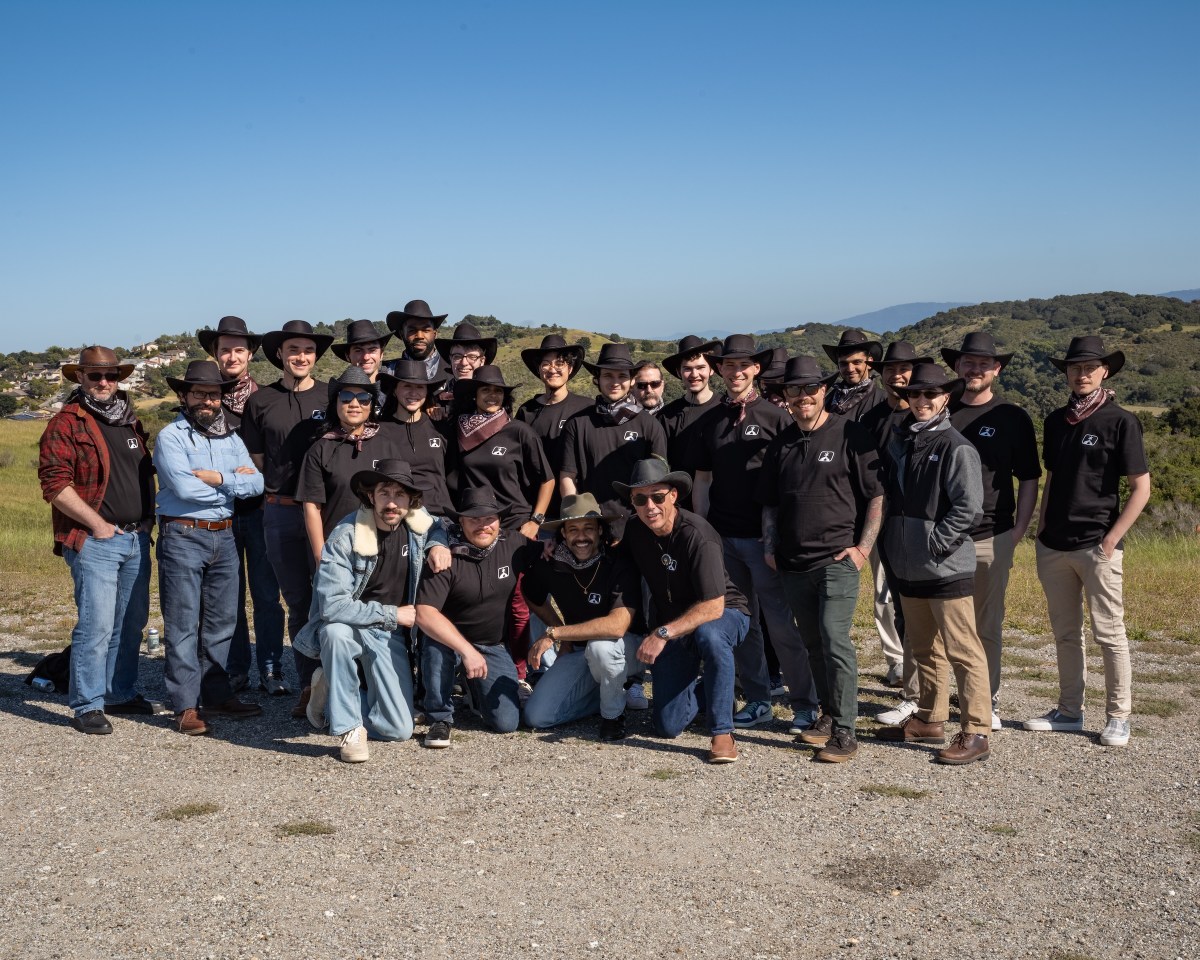
Cowboy Space recruits industry veterans, including former Blue Origin and SpaceX experts, to build its own rocket engine and continue critical developments like testing, manufacturing, and launch facilities. The company’s new mission-driven name symbolizes its goal to “power humanity from the high frontier,” with Bhatt humorously noting a reason to wear a cowboy hat.