
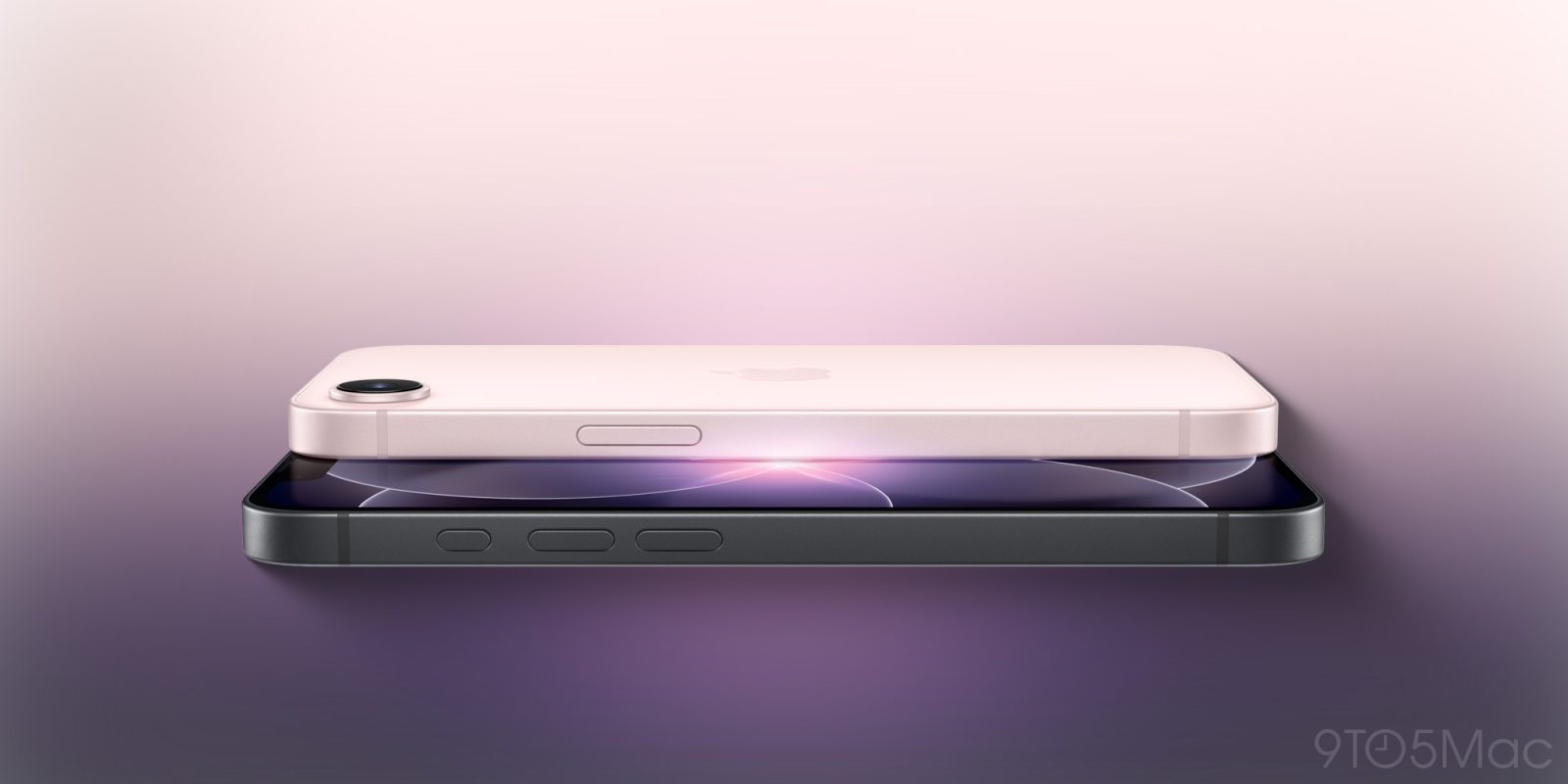

When Apple unveiled the iPhone 17e, it increased the storage capacity and introduced what it refers to as the “magic of MagSafe” to the $599 iPhone 16e successor. Apple’s choice to incorporate MagSafe into the last remaining iPhone model ensured that every iPhone features a valuable hardware component that is completely absent in any Samsung device.
## Every new iPhone sold by Apple incorporates MagSafe
When Apple launched the iPhone 16e in March 2025, omitting MagSafe from the budget model seemed illogical. The iPhone 16e took the place of the iPhone SE, which technically never supported MagSafe charging, yet it still felt like an oversight.
Since March 2026, however, every new iPhone available from Apple is compatible with MagSafe — no case is necessary. This marked a first since Apple debuted the iPhone 12 with MagSafe in October 2020.
Introducing a powerful magnetic connection to the rear of the iPhone facilitates the attachment of accessories like wallets, stands, and battery packs. It also significantly enhances wireless charging through charging coil alignment that easily snaps into position.
## Samsung is lacking the allure
On the other hand, in Samsung’s realm, reviewers criticize the company for opting not to integrate magnets into even their premium Samsung Galaxy smartphones. The rationale, they argue, is that most users utilize a case.
In early 2026, The Verge posed a question to a Samsung executive regarding the choice to continue excluding a feature like MagSafe:
> I inquired with Samsung’s Won-Joon Choi, the executive overseeing both R&D and operations for Samsung’s mobile division. He stated that the added thickness of magnets presents an unfavorable tradeoff, as consumers will invariably purchase a case regardless.
> “Approximately 80 to 90 percent of individuals use a case, and cases with magnets are quite popular these days,” he shared with me.
> Samsung prefers to utilize that additional height to provide a larger battery or create a slimmer device, he explained.
This doesn’t imply that Samsung isn’t exploring magnets. “We’re still conducting extensive research to ensure we don’t sacrifice anything inside the phone; when we ultimately achieve that, we’ll incorporate it,” he mentioned.
Apple, naturally, succeeded in integrating MagSafe into the incredibly slim iPhone Air. Somehow, they manage, and the battery life remains fully functional.
Conversely, Samsung relies on case manufacturers to establish standardized magnet placement, strength, and quality, which inevitably leads to a varied experience for accessories.
It’s a much clearer narrative when the phone itself establishes the standard for magnetic accessory compatibility.
Now, a new rumor suggests that Apple might abandon MagSafe on upcoming iPhones, but we believe it’s either misguided or simply lost in translation.
*Originally published March 9, 2026. Updated April 29, 2026 with additional context regarding a new MagSafe rumor.*