
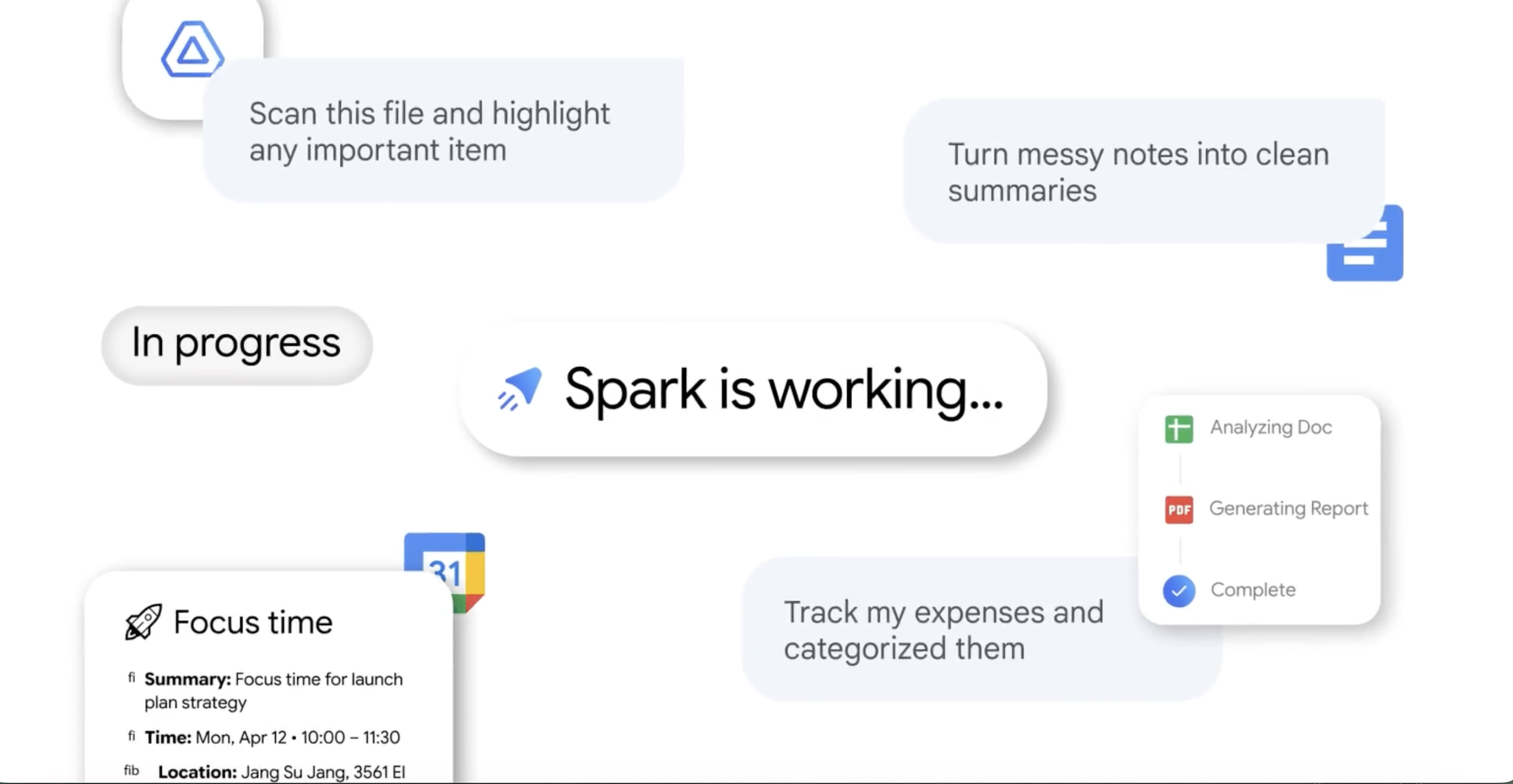

Gemini Spark is providing Google unprecedented access to your data.
Google’s ambitious AI plans heavily rely on user trust. At I/O 2026, Google introduced tools aimed at simplifying tasks. Gemini Spark, an AI assistant, can organize events, while Daily Brief offers daily updates. The AI-enhanced Gmail can create to-do lists and personalized replies. These features utilize personal data from Google services, accessible with user consent—a strategic advantage in AI.
In 2024, Google incorporated Gemini into Workspace apps like Gmail and Drive, enabling the AI to manage files and emails. Google has since expanded these integrations, launching “Personal Intelligence” in January, allowing Gemini to seamlessly pull data from Gmail, Google Photos, and YouTube for customized responses. According to Google Labs’ lead Josh Woodward, millions benefit from these features daily.
Despite its optional nature, connecting apps to Gemini is critical for Google’s AI future. The Daily Brief service, available to subscribed users, syncs with Gmail and Calendar. Gemini Spark’s capabilities extend further, offering 24/7 assistance across apps and third-party services like Canva and Spotify. Google is also working on enabling Gemini Spark to access local files on Macs, akin to the risky OpenClaw platform.
The AI’s integration into daily life raises privacy concerns. As AI becomes a necessity for productivity, the decision to share personal data with these technologies depends on user trust and privacy boundaries.