

Samsung’s anticipated smart glasses are becoming clearer, yet significant questions linger.
The smart glasses from Samsung, long speculated about, have finally made an appearance, seemingly aimed at regular consumers rather than solely technology aficionados.
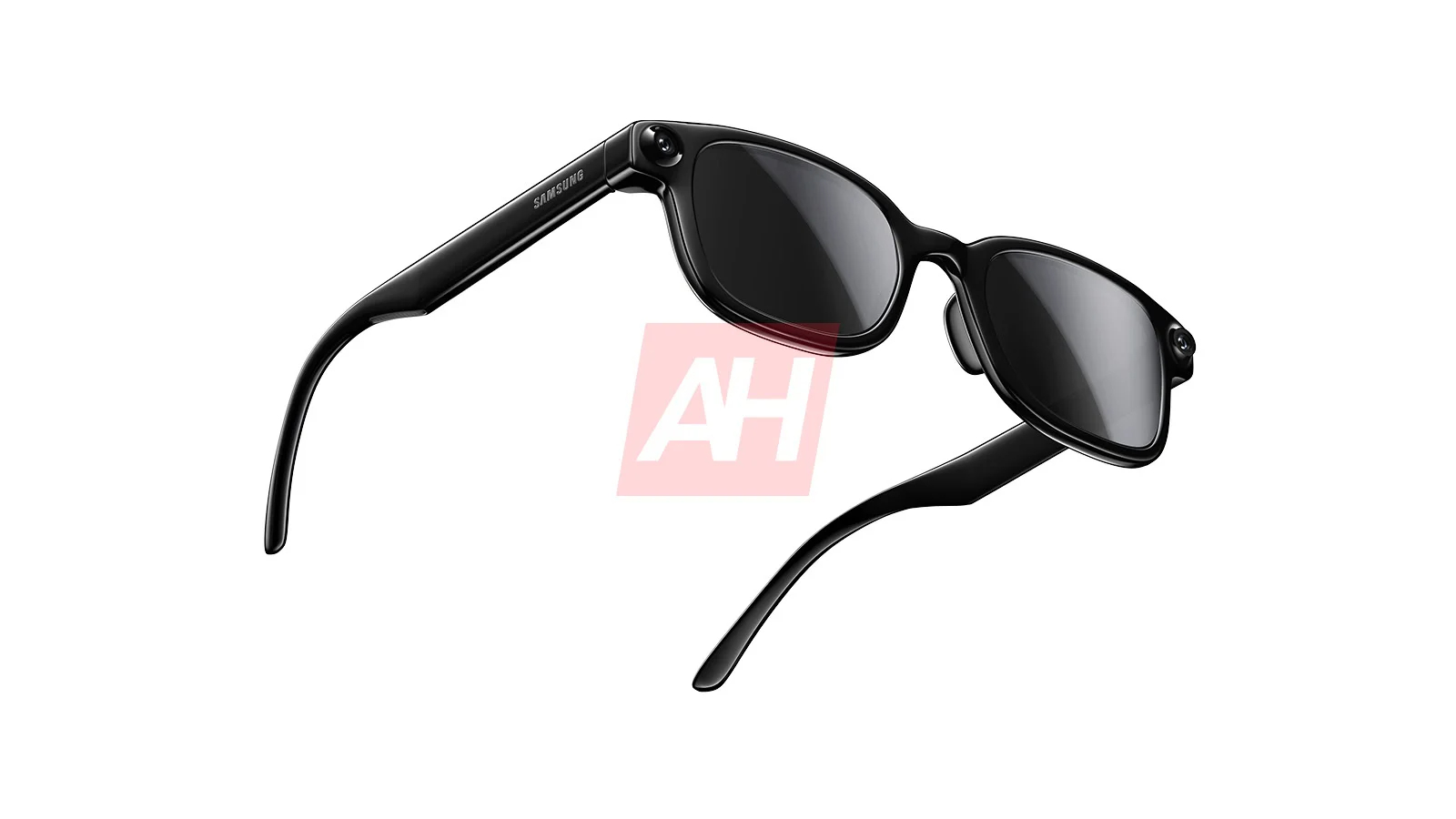
Following months of speculation, leaked visuals from @OnLeaks and Android Headlines have provided the most comprehensive glimpse to date at the Samsung Galaxy Glasses and the company’s endeavors in the XR domain.
Samsung appears to be proceeding cautiously by developing two distinct iterations of the Galaxy Glasses: Jinju and Haean.
Two models catering to varied requirements
Jinju (illustrated below) is the basic model and is expected to debut first, likely by late 2026. It lacks a screen, resembling the Meta Ray-Bans, and instead emphasizes audio, microphones, and AI capabilities.
As per the specifications shared by Android Headlines, this model will feature a lightweight construction at approximately 50 grams and include a 12MP Sony IMX681 camera. It is tailored for individuals seeking Google’s Gemini AI to assist in translating signs or capturing hands-free images without appearing overly futuristic.
The report indicates that this model will be priced between $379 and $499, which aligns with the cost of Meta’s higher-end frames.
Conversely, Haean (which has recently surfaced in the code for One UI 9) represents the premium variant and is anticipated to launch in 2027. It is likely to incorporate a micro-LED display, allowing notifications to be seen in your line of sight. This additional feature will lead to a higher price point, with initial estimates ranging from $600 to $900.
Android Central’s Perspective
From my standpoint, the introduction of two devices is a logical move. This choice will permit users to select either a practical daily wearable or a more engaging AR experience. However, segmenting the product line also conveys that Samsung is exercising caution and gauging user acceptance. While I admire the ambition, I am also bracing for the possibility that at least one of these might come off as incomplete.
Regardless of your selection, both glasses are anticipated to feature decent mobile technology. Each variant is likely to come with a 245mAh battery, akin to the Meta Ray-Bans, which generally offers around 6 to 8 hours of intermittent use.
The most captivating aspect of this leak is the camera. While many smart glasses feature fixed-focus lenses, reports suggest that Samsung will incorporate autofocus. This advancement means that the sensors can effectively read fine print on menus or identify distant objects with significantly greater clarity than with a fixed lens.
The overarching question isn’t if Samsung can create quality smart glasses. These designs indicate they can. The real challenge lies in whether Samsung can persuade you to transition from your current eyewear or wait another year for the version featuring a functional display.