
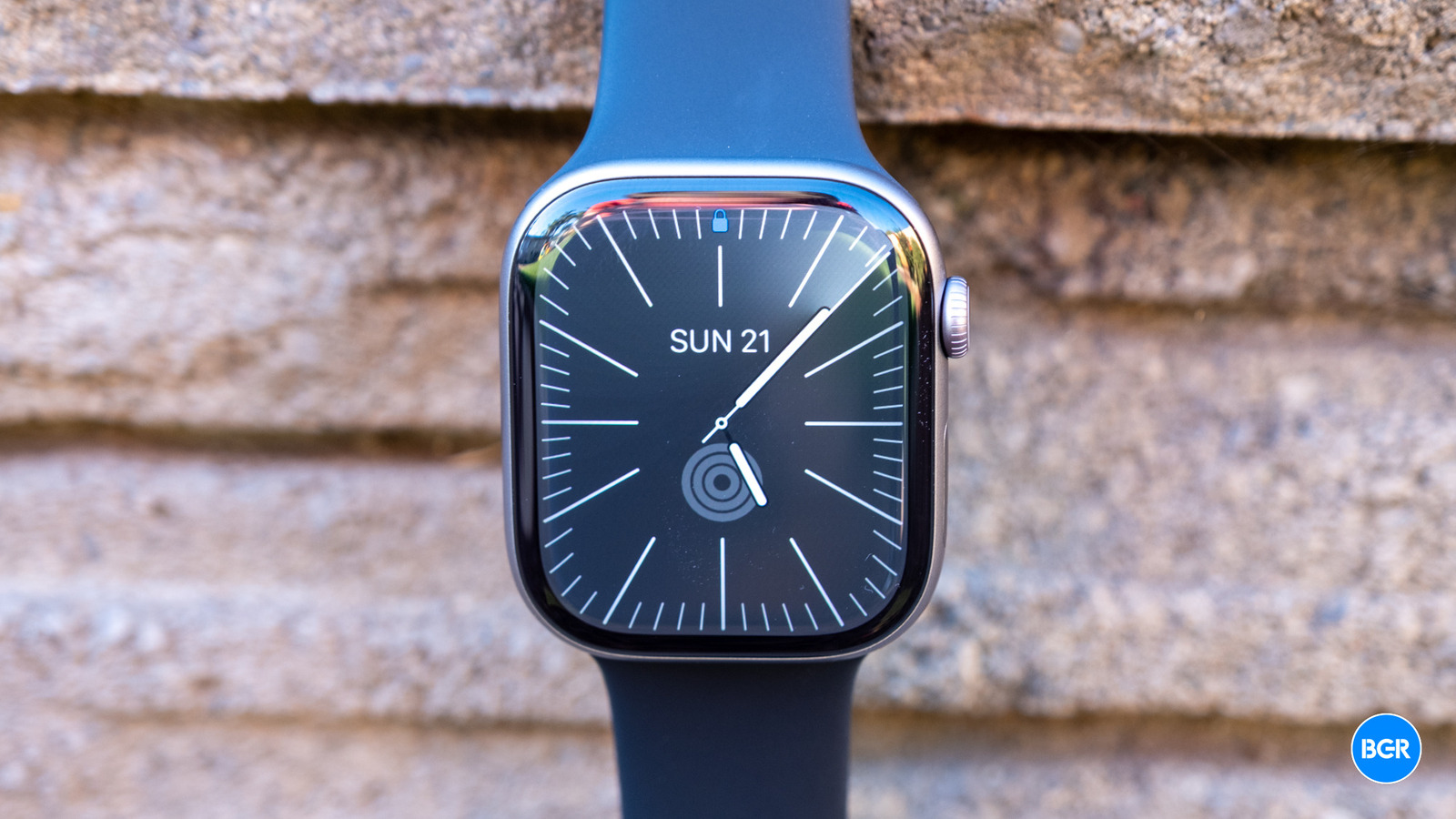

Apple introduced the Apple Watch Series 11 in September 2025, concurrently with the launch of the iPhone 17 series. This wearable is one of the two premier smartwatches offered both in Apple retail locations and online at the moment. Starting prices are $399 (42 mm) and $429 (46 mm) for the GPS version, providing purchasers with a premium experience that boasts Apple’s latest wearable health-monitoring technologies and impressive battery longevity. However, potential buyers seeking their first watchOS device or considering an upgrade should think twice before acquiring the Series 11 without evaluating a similarly featured model that may be more affordable. This alternative is the Apple Watch Series 10, which Apple released in September 2024, a device virtually indistinguishable from the Series 11.
Apple has ceased sales of earlier generation Apple Watch models, now only offering the Apple Watch SE 3, Apple Watch Series 11, and Apple Watch Ultra 3. Nonetheless, third-party vendors might still carry stock of the Apple Watch Series 10, including refurbished options, often at a lower price than the Series 11. Acquiring a refurbished Apple Watch Series 10 for $240 from Amazon (42 mm GPS version) or $319 from Apple (46 mm GPS version) presents a much more economical choice compared to both the Apple Watch Series 11 and the Apple Watch SE 3, which starts at $249 (40 mm) and $279 (44 mm) for the GPS model. This is due to the fact that Apple did not implement significant upgrades in the Series 11 in 2025. The Series 10 maintains the same design and health functionalities as the newer model, with both offering a superior experience relative to the Apple Watch SE 3.
Apple Watch Series 11 and Series 10 are nearly identical
The Apple Watch Series 11 and Series 10 are available in both aluminum and titanium casings and provide buyers with the same two size options: 42 mm and 46 mm. The Series 10 is marginally lighter than the Series 11. For instance, the 42 mm GPS aluminum Series 10 weighs 30 grams, while the Series 11 version is 30.3 grams. Minor weight differences are also evident when comparing the titanium models or aluminum GPS + Cellular variants. The Apple Watch Series 11 includes an Ion-X glass cover that is twice as resistant to scratches compared to the Series 10. The Titanium Series 11 variant comes with a sapphire crystal display.
Both smartwatches are equipped with LTPO3 wide-angle OLED displays capable of delivering up to 2,000 nits of brightness and Always-On features. Each features the identical S10 chip that incorporates a dual-core processor and four-core Neural Engine. They share the same Apple W3 wireless chip, a second-generation Ultra Wideband chip, and include 64 GB of built-in storage. Both devices support Wi-Fi 4 and Bluetooth 5.3 connectivity; however, the Series 11 is compatible with dual Wi-Fi 4 (2.4 GHz and 5 GHz). Additionally, the Apple Watch Series 11 supports 5G connectivity for those opting for the GPS + Cellular variant.
Concerning health monitoring abilities, both Series 11 and Series 10 devices will deliver identical features. They will alert users regarding potential heart complications, such as hypertension, elevated and lowered heart rate, irregular rhythm, and decreased cardio fitness. The watches are also capable of measuring blood oxygen levels, wrist temperature, and respiratory rate. The wearables track sleep patterns and can generate sleep apnea alerts. Furthermore, both devices track menstrual cycles and offer retrospective ovulation estimates. As both devices are compatible with watchOS 26, they will present the same software functions, including identical workout-tracking capabilities, watch faces, and applications.
The sole justification for purchasing the Apple Watch Series 11
5G connectivity support stands out as one of the few benefits of the Apple Watch Series 11 over the Series 10. The primary distinction in battery performance between the two generations is notable. The Apple Watch Series 11 boasts a battery life of up to 24 hours, while the Series 10 offers up to 18 hours. Real-world testing by BGR on the Apple Watch Series 10 has illustrated that the device can operate for more than a day, even with continuous workouts. The Apple Watch Series 11 may appear to extend even further, although the Series 10 already provides commendable battery life.
Both Series 11 and Series 10 offer rapid charging capabilities (from 0% to 80% in 30 minutes), though the Series 11 brings additional charging benefits. A 15-minute charging session is sufficient for eight hours of usage, while a 5-minute charge enables eight hours of sleep tracking. Nonetheless, the Series 10 charges relatively swiftly, allowing users to wear it for most of the day and night.
Considering all of this, the primary reason to choose the Apple Watch Series 11 over the Series 10 is the price. Should the Series 11’s price drop to $299,