
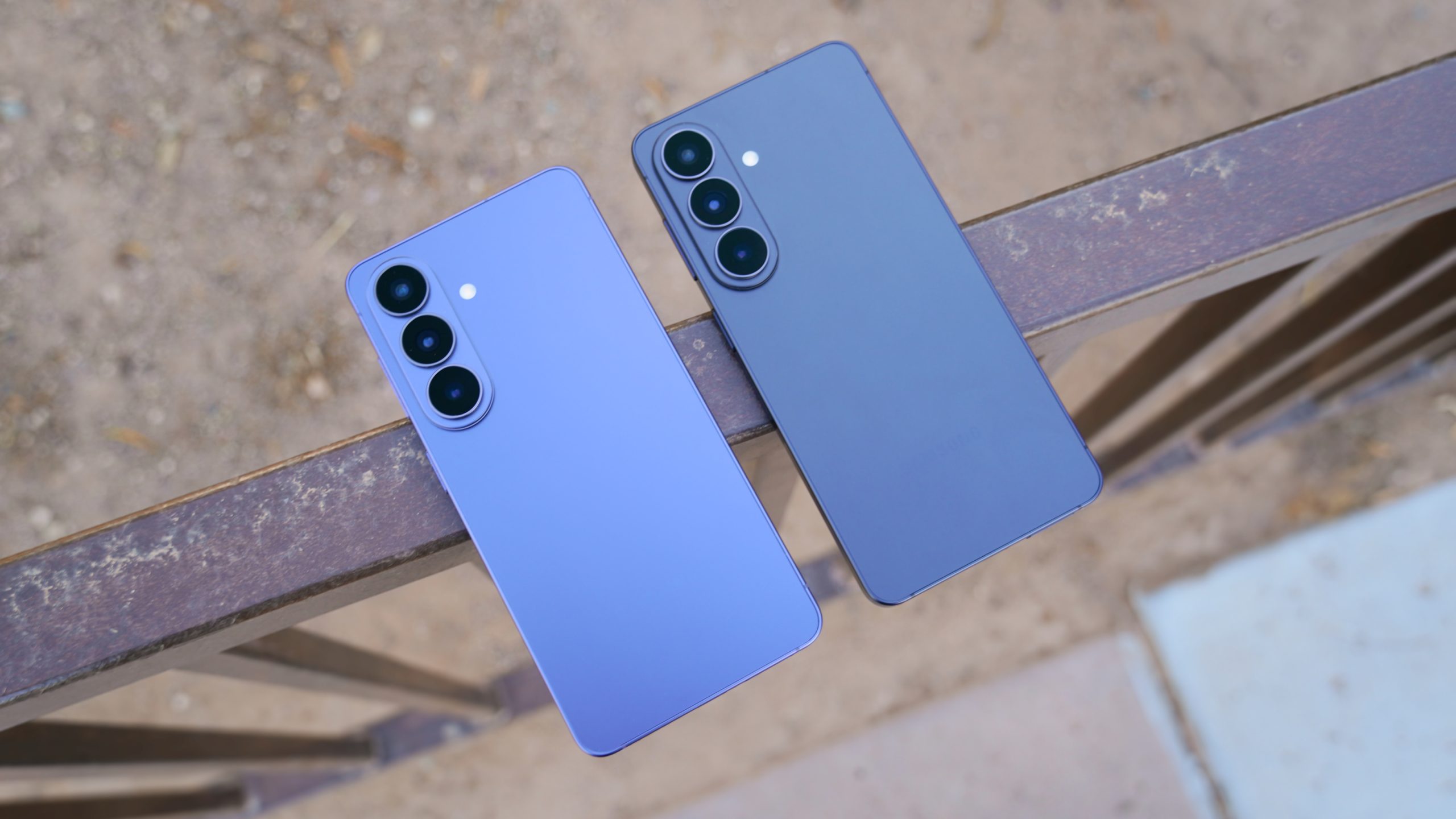

The Galaxy S26 commenced with a strong performance, yet consumers are beginning to lose interest.
Samsung’s Galaxy S26 series launched 15% more robustly than the Galaxy S25 within its first six weeks, with total Samsung smartphone sales also increasing by 5%, as reported by Counterpoint Research. The Galaxy S26 Ultra is largely responsible for the demand, reportedly accounting for around 70% of pre-orders, thanks to unique features and enhanced AI capabilities. However, Samsung’s growth might already be subsiding after six weeks as elevated prices begin to deter customers.
Samsung’s Galaxy S26 series has outperformed the Galaxy S25 in its debut, but a caveat lies behind those impressive statistics. Initial sales are showing an uptick, particularly in the U.S. and South Korea, yet a new report suggests that Samsung’s growth may be stalling as higher prices start to turn potential buyers away.
Market research firm Counterpoint Research has released new figures indicating that total Galaxy S26 sales in the initial six weeks since launch were approximately 15% above the Galaxy S25 series during the equivalent timeframe last year. Concurrently, Samsung’s overall smartphone sales during the launch period also experienced a 5% increase, according to the report.
This marks a significant victory for Samsung at a time when the broader smartphone industry faces challenges from escalating component expenses, reduced consumer spending, and slower upgrade timelines.
It seems the Galaxy S26 Ultra is shouldering most of the demand as well. Earlier reports mentioned that the Ultra constituted about 70% of pre-orders in vital markets like South Korea, owing to distinctive features such as Samsung’s new Privacy Display and upgraded AI functionalities.
Counterpoint’s data indicates that the Galaxy S26 series is performing particularly well in the U.S. and South Korea. In the United States, sales have reportedly surged nearly 30% over the Galaxy S25 series during the same early phase.
However, momentum faced a setback after the sixth week.
Sales of Samsung’s flagship began to decelerate post-week six, with sell-through rates trailing behind the Galaxy S25’s speed.
This year, Samsung increased the prices of select Galaxy S26 models, with the entry-level Galaxy S26 and S26 Plus rising by $100 in certain regions. The company attributed these hikes mainly to soaring memory expenses and broader supply chain challenges.
That said, there are enhancements right out of the box, including 256GB of baseline storage instead of 128GB on some models, along with the usual improvements such as upgraded cooling, enhanced Galaxy AI features, and better battery efficiency. Nevertheless, the overall hardware upgrade from the Galaxy S25 series hasn’t been particularly dramatic.
Samsung also operates in anything but a comfortable market. Reports from Korea suggest the company is already in internal “crisis mode” regarding parts of its device operations, with shrinking margins and climbing production costs. Memory prices alone have reportedly soared as AI companies continue to vie for supply.
Currently, the Galaxy S26 series is generally superior to its predecessor, and that’s not an issue Samsung will complain about. The larger question is whether the company can maintain that momentum throughout the year — particularly as the cost of entry continues to rise and the enhancements become less significant.
Android Central’s Perspective
The Galaxy S26’s strong launch underscores the strength of its ecosystem and brand loyalty. Consumers clearly still trust Samsung to provide refined hardware, extended software support, and dependable cameras, all of which are essential for the average user. However, it’s increasingly challenging to overlook the rising prices as the upgrades feel progressively incremental. At some point, Samsung will need to do more than just refine the edges and incorporate AI extensively if it wants consumers to keep upgrading without feeling as though they are paying extra for a slightly modified version of the same phone.