

Smith Collection/gado/Getty Images
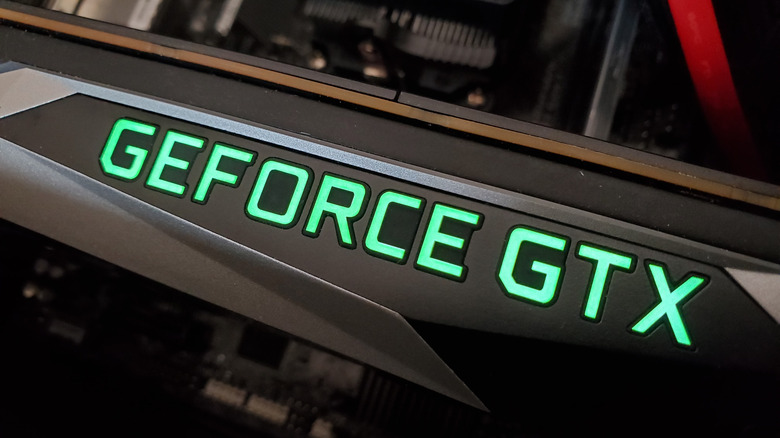
The market for PC Graphics cards is currently experiencing some shifts. Nvidia, which controls a whopping 95% of the market, revealed in 2025 that several of its product lines are reaching their end. Following the conclusion of the 580 driver update cycle, GTX 700, 900, and 10-series graphics cards (GPUs) were announced to be at the end of their lifecycle, with only security updates continuing until 2028.
The GPUs in question were introduced in 2012, 2014, and 2016, achieving immense popularity among PC gaming fans. With the 700 and 900 series, Nvidia established its market supremacy, introducing software like ShadowPlay (now known as the Share Overlay) that enabled gamers to record their gameplay without extra software. During this period, price and performance were crucial, as the pinnacle of the 900 series, like the 970 and 980, delivered outstanding 1080p gaming for less than $600.
This was later followed by the beloved GTX 10-series, where Nvidia enhanced what it had started with the earlier generation, but with greater performance. Even now, the GTX 1070 and 1080 (including Ti models) continue to appear in the Steam Hardware Survey, despite their launch in 2016. These cards offered a considerable upgrade over their predecessors at a reasonable cost. The 10-series faced challenges during the minor cryptocurrency surge, which caused the hardware to sell out thanks to its mining potential. Nvidia’s subsequent success was the RTX 30-series, which also faced challenges from outside factors, like the pandemic and the crypto market.