Three Fresh Galaxy S26 Camera Capabilities That Immediately Improved My Photography

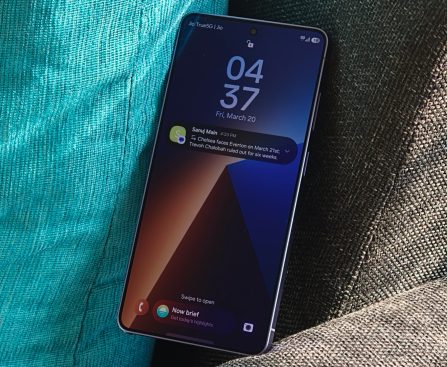
Samsung has unveiled a variety of fresh camera features for the standard Galaxy S26, elevating the photography experience for users. These functionalities are crafted to optimize the potential of the phone’s camera hardware, presenting distinctive options that might not be immediately apparent but can greatly enhance your photo and video captures.

One of the key highlights is the innovative 24MP camera mode. Although the Galaxy S26 and S26 Plus are equipped with a 50MP main camera, and the S26 Ultra showcases a 200MP primary shooter, these cameras do not automatically utilize their full resolution. Rather, they utilize pixel binning to improve image quality at reduced resolutions like 12MP. The new 24MP mode presents a balanced alternative, delivering superior detail compared to 12MP while keeping file sizes manageable and shutter speeds quicker. To activate this mode, users must download the Camera Assistant app from the Galaxy Store and modify the settings in the Camera app.

Another cutting-edge feature is the Horizontal Lock video mode, which stabilizes video recordings, facilitating 360-degree rotations without losing the horizon line. This is especially beneficial for filming action videos, such as while jogging or biking, ensuring that the footage remains stable and leveled.

Moreover, the Photo Assist tool within the Samsung Gallery app provides advanced editing features. It allows users to make modifications to their photos using natural-language prompts, harnessing Samsung’s generative AI for accurate edits. This tool can also integrate multimodal guidance, enabling users to include images or sketches to better express the desired alterations.

In summary, these fresh camera tools on the Galaxy S26 series equip users with robust options to enhance their photography and videography, fully utilizing the device’s potential.

Galaxy Watch 8 Classic Offered at 31% Savings on Amazon

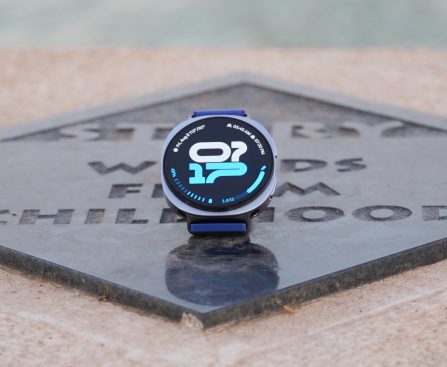
The Samsung Galaxy Watch 8 Classic is an excellent choice if you favor a more conventional appearance.

A variety of top smartwatch offers come and go frequently, and this latest Amazon discount is no different. Right now, Amazon has cut the price of the white Samsung Galaxy Watch 8 Classic by 31%, making it an especially strong choice for those who like a less athletic, more traditional smartwatch aesthetic.

The Samsung Galaxy Watch 8 Classic typically retails for significantly above $500, so the $377 price point appears quite enticing. While it aptly showcases a more timeless design, it still boasts popular features such as Samsung’s Health Perks, a rotating bezel, a vibrant display, and an intuitive user interface with One UI 8 Watch.

Users appreciate its sleep tracking capabilities and the overall comfort when worn at night, along with its battery endurance and the always-on display mode activated by the “Hey Google” wake command. Additionally, it features dual-band GPS tracking, an extensive array of health sensors, and multiple health and fitness modalities. With multi-tasking abilities and 64GB of storage, this smartwatch justifies its relatively high price tag.

This particular offer is exclusively available for the 46mm white version of the Watch 8 Classic, although Amazon is also providing some smaller price reductions for the black variant and different sizes.

✅Recommended if: you are in search of a smartwatch that resembles a conventional watch more than the contemporary styles prevalent today; you appreciate Samsung’s smartwatch range but prefer to stay under $400 if possible.

❌Skip this deal if: you desire a smaller watch than the 46mm model, yet still want to maintain your savings; you prefer a smartwatch with a larger display for enhanced functionality and you’re willing to compromise somewhat on comfort.

The Samsung Galaxy Watch 8 Classic is among our other top smartwatch choices today. Specifically, we believe it is the finest classic design for a smartwatch, but that does not imply a compromise on functionality or features.

With its precise GPS tracking, diverse health and workout modes, impressive battery life, and 3,000-nit brightness, it stands as a solid watch that usually comes with a considerable price tag.

During our evaluations of the watch, we observed that even with frequent use of the AOD, the “Hey Google” wake word, and other battery-draining features, the Watch 8 Classic still achieved a battery life of approximately 25 hours. Overall, it’s a commendable choice, especially if you manage to obtain it at a deal like this.

Increasing Technology Costs: Are Buyers More Hesitant to Acquire New Phones This Year?

Samsung and Motorola have recently elevated the prices of their devices, a action that mirrors wider movements in the technology sector. This price surge is primarily linked to a global RAM deficit, which has influenced the manufacturing expenses of tech products overall. The deficiency is intensified by high demand from firms constructing AI data centers, resulting in increased costs for components such as RAM. Consequently, buyers are encountering elevated prices not only for newly launched devices but also for current models.

Samsung has inflated the prices of its Galaxy S26 and Galaxy S26 Plus by $100 in relation to their previous versions, whereas the S26 Ultra remains unchanged. Motorola followed the trend by boosting the introductory price of its Moto G Stylus 2026 by the same amount, despite slight modifications in specifications compared to the earlier model. This pattern is not confined to smartphones; other tech firms, including Meta and Microsoft, have also declared price hikes for items like the Quest 3 VR headset and Surface PCs.

The RAM deficiency is anticipated to continue, possibly until 2027, as manufacturers find it challenging to fulfill the rising demand. This scenario has resulted in the first downturn in the smartphone market since 2023, after years of steady growth. Consumers are now confronted with the difficulty of managing these climbing costs, sparking debates regarding the effect on buying choices.

Comparison between Samsung Galaxy Z Flip 8 and Galaxy Z Flip 6: Assessing the Necessity for an Upgrade

If you are currently using the Galaxy Z Flip 6, it might be the right moment to consider an upgrade. The Galaxy Z Flip 8 is anticipated to be the next flip phone release from Samsung, expected to be equipped with the newest AI chip and several enhancements compared to its earlier models. The Galaxy Z Flip 8 is likely to feature a more advanced Exynos chipset, a bigger 4.1-inch cover display, an upgraded battery with Qi2 compatibility, along with the latest Galaxy AI functionalities and Gemini automation. However, it may not include the advantages of Snapdragon, and the cover screen could be restricted in its features relative to rival devices.

The Galaxy Z Flip 6, while still a good option owing to its Snapdragon chip and respectable battery performance, is nearly two years old. It might not benefit from the latest Galaxy AI features and is now discontinued, meaning it is only available as a used or refurbished device. The Galaxy Z Flip 8 is expected to be launched later this year, likely during the summer, with a possible release date of July 22. Pricing remains uncertain, but there could be a slight rise due to the ongoing RAM shortage.

From a design perspective, the Galaxy Z Flip 8 may not stray far from its predecessors, retaining a relatively square shape and slim profile. It might be a bit thicker to fit a larger battery. The Z Flip 8 is set to be driven by the Exynos 2600, providing better performance compared to the Snapdragon 8 Gen 3 found in the Galaxy Z Flip 6. The Z Flip 8 may also boast a 4,300mAh battery, supporting a full day’s usage.

Regarding software, the Galaxy Z Flip 8 is expected to operate on One UI 8.5 based on Android 16, with possible upgrades to One UI 9 grounded in Android 17. The Galaxy Z Flip 6, which debuted with One UI 6.1.1 based on Android 14, will receive updates for seven years, but may not gain some of the newer features.

In terms of camera capabilities, the Galaxy Z Flip 8 is predicted to maintain the 50MP+12MP rear camera configuration of its predecessors, with potential enhancements in image quality. AI functionalities like Photo Assist may improve photo editing skills.

Overall, the Galaxy Z Flip 8 brings substantial upgrades, establishing itself as a worthy successor to the Galaxy Z Flip 6. If you are thinking about upgrading, the Galaxy Z Flip 8 may be the superior option, presenting more robust AI features, a bigger cover screen, and a sleeker design.

Five Key Android Auto Configurations to Modify on a New Android Device

Implement these essential quality of life upgrades in Android Auto immediately for a more enjoyable journey.

Android Auto has existed for over ten years, and it serves as a fantastic tool for staying connected with your smartphone securely while on the road. The majority of vehicles offer support for a wired Android Auto connection, so ensure you have the best cables available. Wireless Android Auto is becoming increasingly prevalent in various new automobile models, not solely high-end ones. Moreover, Google continues to enhance Auto with fresh features, such as compatibility with Google Meet in Android Auto.

While it performs excellently right from the start, there are certain settings I consistently adjust whenever I use a new phone in my vehicle. These are straightforward toggle options that can significantly improve your daily experience with Android Auto, and all adjustments can be made directly from your phone. Here are my top five suggestions for settings and modifications to apply if you’ve just completed the setup.

Disable automatic music playing upon connection

One of the most frustrating default features of Android Auto is its tendency to play music right away when your phone connects to your car. This can be quite startling at night, especially if the volume was turned up high during your last drive. It can also become quite awkward, depending on who’s in the vehicle with you, if your secret guilty pleasure playlist suddenly starts blasting. Retain your composure by simply turning off this toggle option.

On your phone, navigate to Settings, and search for Android Auto. In the settings menu, scroll down to the Start-up subsection and turn off Start music automatically. That’s all there is to it. Now, the next time you connect your phone, your music will remain paused.

Reduce notification interruptions from applications

By default, most messaging and certain media apps (YouTube Music, Spotify) installed on your phone will show up in the Android Auto app drawer. Any alerts from these apps will also display on your screen. When driving, the last thing you want is to be distracted by notifications from insurance companies. You have two options to turn off notifications.

To lessen the sound alerts, go to the settings menu of Android Auto, scroll down to the Messaging subsection, and just disable Play message chime. This will at least stop sound notifications, but incoming messages will still appear. If you want to stop these as well, you can disable the first item in the submenu called Show message notifications.

Another method is to remove any unwanted apps from the app drawer to automatically eliminate their notifications. In the same settings menu on your phone, scroll up to Customize Launcher, and simply uncheck the apps you do not want to utilize with Android Auto.

Stop Android Auto from launching automatically

One of the fantastic features of Android Auto is its ability to start automatically when you turn on your vehicle; however, not everyone may desire this configuration. Android Auto can drain your battery faster when connected wirelessly to your car’s head unit, and you might not always need it if you prefer listening to the radio or do not require navigation for short journeys.

Unfortunately, there is currently no specific option for this within Android Auto itself. None of the selectable choices in the Start Android Auto automatically menu allow you to disable this feature. One workaround that has worked well for me is to disable the toggle for Start Android Auto while locked.

By doing so, your phone will connect to your car via Bluetooth (for calls), but Android Auto will not launch, as long as your phone is locked. If you do wish to activate Android Auto during your drive, you should receive a notification on your phone stating “Android Auto is available,” and tapping it should open the app. Alternatively, you can enable it manually through your car’s dashboard.

Set Up Shortcuts for regular tasks

You can use voice commands with Google Assistant to call a contact or search for locations on your route. If you’re among the fortunate ones…

Assessing the Advantages and Disadvantages of Anticipating the Motorola Razr 2026

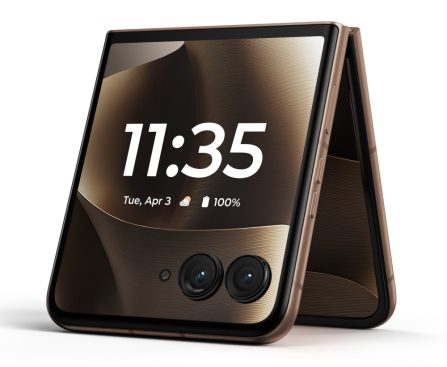
The Razr series may face a dull 2026. Motorola has been flourishing with its Razr line, securing a notable market presence in the foldable phone field. Nevertheless, the forthcoming Razr 2026 series might not deliver substantial improvements, possibly making it less appealing to users.

The Razr 2026 is projected to debut around April 2026, following the timeline from the previous year. While new chip technology and AI features are expected, there are whispers that the Razr Ultra 2026 could utilize the same Snapdragon 8 Elite chipset as the earlier model, instead of the latest 8 Elite Gen 5. This choice might stem from ongoing supply chain challenges and attempts to keep pricing steady.

Motorola’s pricing approach raises concerns, as the Razr Ultra is already selling at a premium, comparable to the Galaxy S26 Ultra. A price hike without meaningful enhancements could dissuade prospective customers. The Razr 2025 series, now offered at a discount, provides a more enticing choice for buyers.

On the other hand, the Razr Fold is emerging as a formidable player in the foldable market, boasting features such as an expanded battery, rapid charging, and a triple 50MP camera configuration. It also accommodates an active stylus pen, potentially drawing users who are let down by Samsung’s exclusion of S Pen support in the Galaxy Z Fold 7.

In summary, although the Razr Fold appears to be a strong candidate, the Razr 2026 series could struggle to captivate consumers if it fails to deliver notable advancements compared to its predecessors.

Advantages and Disadvantages of the Clicks Keyboard for Motorola Razr: 3 Reasons to Appreciate It and 3 Limitations

A Twin Serving of Sentimentality That Requires Some Adjustment

In the constantly transforming realm of smartphones, sentimentality has emerged as a potent leverage for producers aiming to win over consumers. The Motorola Razr Ultra 2025, with its legendary flip design, exemplifies this phenomenon. It merges contemporary technology with a vintage flair, giving users a twin serving of sentimentality that can be both captivating and tricky to acclimate to.

The Clicks Keyboard, crafted for the Razr series, introduces an extra dimension of sentimentality by featuring a compact physical keyboard reminiscent of the Blackberry days. This add-on not only reinforces the vintage vibe of the Razr but also delivers a peculiar typing experience that many users may find both enjoyable and inconvenient.

Among the notable characteristics of the Razr is its exterior screen, which enables users to engage with their phone without opening it. The Clicks Keyboard enhances this functionality by negating the necessity for an on-screen keyboard, thereby conserving screen space and improving usability. Nonetheless, the tiny keys can be challenging to adapt to, particularly for those who are used to gliding on a touchscreen.

The keyboard also features functional keys and shortcuts, rendering it a multifaceted tool for productivity. Users can launch apps and system functions with straightforward key combinations, introducing a level of ease to the nostalgic experience. Despite its advantages, the absence of a dedicated number row and the slower typing speed relative to on-screen keyboards may be exasperating for some users.

The Clicks Keyboard’s design is considerate, boasting elements like illuminated keys and a gentle interior lining for additional protection. However, its heftiness can cause the Razr to feel cumbersome when opened, eliciting mixed responses from observers.

Ultimately, the pairing of the Motorola Razr Ultra 2025 and the Clicks Keyboard provides a distinct fusion of sentimentality and contemporary functionality. While it may require some adjustment, it delivers a charming reminder of a past era of mobile technology, making it an essential accessory for those who cherish a hint of nostalgia in their gadgets.

Comparison of Horizon Lock on Galaxy S26 Ultra and Motorola’s Previous Implementation

When Samsung debuted the Galaxy S26 series at the close of February, one of the standout highlights of the event was the Horizontal Lock, a novel video recording capability that ensures your videos remain stable and aligned, regardless of any movement or rotation of the phone.

While this feature attracted considerable attention, technology aficionados were quick to remind everyone that Motorola had introduced a similar capability as far back as 2019 (though I only had the opportunity to test it in 2023). Since then, Motorola has incorporated this feature into every flagship device it releases, provided it is equipped with an ultrawide-angle camera.

In essence, users opting for the pricey Galaxy S26 may be acquiring a fantastic new video recording functionality, but individuals can save a substantial amount by selecting Motorola without missing out. This means that devices like the $500 Motorola Edge 2025 and the more premium Motorola Razr Ultra 2025 both support the same functionality, but can their quality rival Samsung’s top offerings? Let’s delve into that.

Horizon Lock on Motorola devices and Horizontal Lock on the Samsung Galaxy S26 series seem to operate in a similar manner from a descriptive perspective. Both features utilize the main and ultrawide sensors located on the back of the phone to produce a combined video. Consequently, these functionalities slightly decrease video quality, usually peaking at 1080p resolution at 30 FPS, although the Galaxy S26 Ultra elevates that to QHD resolution.

While recording video, an advanced AI-driven algorithm analyzes the scene to ascertain the horizon line. Despite the implications, you don’t need to be outdoors or have a visible horizon line or landscape in your footage. I recorded inside a room with a bare wall, and the Motorola Edge 2025 kept the video oriented correctly, even as I rotated it.

In addition to employing both main and ultrawide cameras on the back, smartphones from Motorola and Samsung utilize the device’s gyroscope and accelerometers to interpret how the phone is being moved. This information is then processed in real time to maintain the video’s orientation in portrait or landscape mode, irrespective of how the phone is tilted.

Most demonstrations, like mine from 2023, center around rotating the phone 360 degrees. In typical real-life scenarios, it’s improbable that you’ll do this while recording video. However, that’s not an issue, as Horizon or Horizontal Lock are crafted to adapt to any movement and stabilize your footage.

You may find yourself as a passenger in a vehicle, capturing video from the window, or perhaps enjoying a summer getaway on a boat, filming the lake while someone else pilots the vessel. The usual jolts and turns of vehicle travel are smoothed out by these features, surpassing the performance of the electronic stability systems in older models.

In the video below, you can observe the contrast between Samsung’s Horizontal Lock and Super Steady mode on the Galaxy S26 Ultra compared to regular (non-stabilized) footage taken with the same movements. The Motorola Edge 2025 demonstration in the latter half showcases the two available modes, Horizon Lock and standard video, as Motorola does not provide the intermediary option on this device.

My colleague, Derrek Lee, additionally utilized his Motorola Razr Ultra 2025 to evaluate the feature and discovered that Motorola includes an orientation button on that model which is absent on the more affordable Motorola devices (or the Galaxy S26 series) to switch between portrait and landscape modes. This allows for recording in either orientation without needing to physically rotate the phone (although you may want to), which can be particularly useful when filming with one hand.

As one might anticipate when juxtaposing a $549 device against a $1,299 option, the less expensive model’s video recording quality is noticeably inferior. There’s a marked decline in quality on the Motorola Edge 2025 when Horizon Lock is activated, making it a feature less desirable for that device if premium quality is your goal.

On the other hand, the Galaxy S26 Ultra manages to maintain commendable video quality while using Horizontal Lock mode, despite a decrease in resolution from my usual 4k60 setting. More advanced Motorola devices such as the Motorola Razr Ultra 2025 will yield higher-quality video utilizing the Horizon Lock feature.

You’ll also see that videos captured with Horizon Lock or Horizontal Lock are significantly wider compared to those filmed with the main camera lens. This is due to these stabilization features leaning heavily on the ultrawide camera, using it as the primary video source.

I also observed that the Galaxy S26 Ultra performed better at keeping the video clear, even when spinning the phone. There are limits to this, as reduced lighting conditions or quicker (or less stable) rotation will result in diminished video quality, but the fringing on the Motorola footage is almost absent when compared to the video from the Galaxy S26 Ultra.

It’s remarkable to witness

Netflix Unveils Vertical Videos in Mobile Application Revamp Conversation

Netflix is executing calculated strategies to seize a segment of the market that Disney has adeptly penetrated with its creative content approaches. In its Q1 2026 report, Netflix revealed intentions to revamp its mobile application, introducing vertical videos as a component of a new “discovery feed” designed to assist users in locating new content. This method parallels Disney Plus’s “Verts,” which debuted in March to enhance user interaction through short-form, vertical videos.

Netflix’s choice to integrate vertical videos fits into a larger trend within the streaming sector, where platforms are progressively adopting short-form content styles made popular by applications like TikTok and YouTube Shorts. The redesign of the company’s mobile app aims to showcase its growing entertainment selections and improve user engagement by utilizing technology, including Gen AI, to offer tailored content suggestions.

This initiative arrives on the heels of Netflix’s reported 16% year-over-year revenue increase and follows its recent overhaul of TV user interface. Nonetheless, the launch of vertical videos has ignited discussion regarding its necessity, with some doubting whether viewers will connect with such content on Netflix’s platform.

This move is a component of Netflix’s larger strategy to maintain its competitive edge in the streaming sector, particularly as it confronts obstacles like climbing subscription fees. The company’s recent price increases have sparked worries about the value proposal of its plans, with the Premium (4K + Spatial Audio) tier now priced at $26.99 monthly.

As Netflix delves into the domain of vertical videos, it seeks to emulate the achievements of Disney’s engagement-focused tactics while managing the intricacies of pricing and consumer expectations in the streaming arena.