
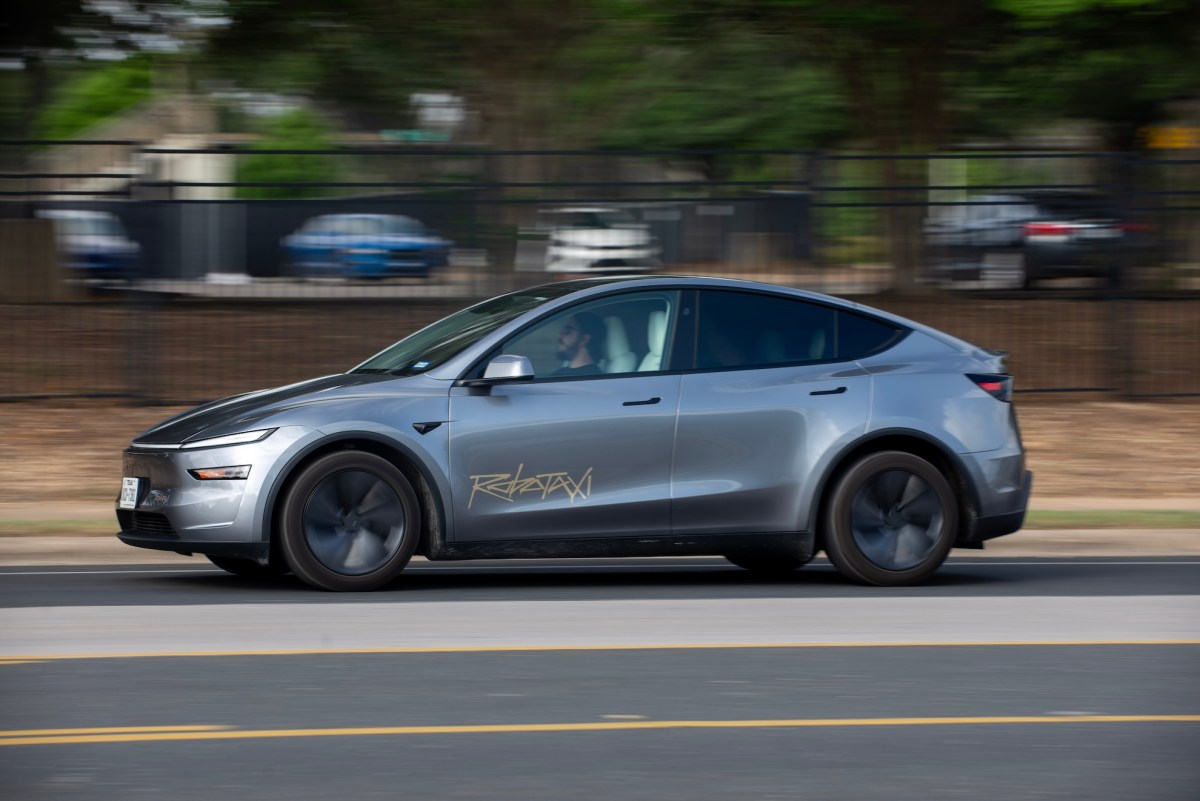

Newly disclosed information submitted to the National Highway Traffic Safety Administration (NHTSA) reveals that Tesla Robotaxis have been involved in at least two crashes since July 2025 while being remotely driven by a teleoperator.
These incidents took place in Austin, Texas, at low speeds, with a safety monitor present and no passengers in the vehicles. The information comes shortly after Tesla informed lawmakers that remote operators are permitted to control a vehicle as long as the speed is kept below 10 miles per hour. Tesla argued that this capability allows for prompt action when a vehicle is in a compromising position, avoiding the need to wait for a first responder or Tesla field representative to handle the situation manually.
Tesla, like other companies working on autonomous vehicle technology, is required to provide detailed crash information to NHTSA. Unlike most companies, Tesla previously redacted crash descriptions, citing them as confidential business information. However, this week Tesla released unredacted crash data, offering narrative descriptions for all 17 recorded incidents since starting its Robotaxi operations last year.
In July 2025, a Tesla vehicle reportedly had difficulty progressing on a street, prompting the safety monitor to request help. A teleoperator took control, inadvertently driving up a curb and hitting a metal fence. A similar incident occurred in January 2026 when a teleoperator was controlling the vehicle for navigation assistance. The vehicle scraped a construction site barricade at about 9 MPH, damaging the front-left fender and tire.
Most newly reported crashes involve Tesla Robotaxis being struck rather than causing crashes, though at least two involved the vehicles clipping mirrors on other cars. In September 2025, one Tesla Robotaxi struck a dog that entered the street, though the dog was uninjured and ran away. Another September 2025 crash involved a Tesla making an unprotected left turn into a parking lot, hitting a metal chain. This follows a recently closed NHTSA investigation into Tesla’s Full Self-Driving software issues with parking lot bollards, chains, and gates. Waymo had a similar recall last year.
While other companies like Waymo and Zoox have logged more crashes, Tesla operates on a smaller scale. The newly released data may shed light on why Tesla’s autonomous ride-hailing network is expanding slowly. Elon Musk recently acknowledged that prioritizing safety is the primary constraint on the network’s growth, stating the company is proceeding “very cautiously.”