

By 2026, I have over 10 years of experience in analyzing procurement technology and supply chain logistics for public companies. A key takeaway from these audits is the critical role of effective supplier management in a business’s success. With increased third-party risk, market volatility from tariffs and taxes, and greater regulatory scrutiny, today’s organizations must move beyond fragmented systems like spreadsheets and isolated email threads to manage suppliers. Adopting next-generation supplier management software is essential.
What is Supplier Management Software?
Supplier management software acts as a core digital framework to handle all interactions with third-party vendors, centralizing supplier data, tracking performance metrics, monitoring compliance, and mitigating risks. The definition of such software is rapidly evolving in 2026. Once seen as digital filing cabinets, these tools now actively participate in procurement strategies, leveraging AI for document reading, risk scoring, and compliance alerts before costly liabilities occur. Quality supplier management software assists from the initial supplier request, ensuring vendor vetting before ecosystem entry.
How to Choose the Best Supplier Management Software in 2026
A strategic approach is needed to select the right platform. Start by assessing the total cost of ownership, as many older platforms seem affordable but necessitate expensive third-party consultants for implementation and upkeep. Adoption should also be a priority; overly complex or bloated software equates to challenges for procurement and legal teams and can impede adoption. Additionally, seek integration. Avoid the error of purchasing separate solutions for vendor onboarding, contract management, and spend analysis, which leads to data silos and complexity. Successful companies prefer platforms unifying contracting, compliance, and spend management into a single system.
Our Methodology
To identify the top supplier management software for 2026, I conducted thorough market evaluations based on these criteria:
– Verified User Reviews: Feedback from platforms like G2 and Capterra was analyzed.
– Common Pain Points: Customer complaints about implementation times, UI friction, and customer support responsiveness were examined.
– Data Unification: Each platform’s ability to unify contracting, compliance, and spend data was assessed.
– Native AI Capabilities: Evaluated built-in AI tools’ presence and effectiveness.
– Overall Value: Examined the value proposition for mid-market and enterprise organizations.
The resulting list showcases the most capable tools available today.
The 8 Best Supplier Management Software Platforms for 2026
1. Gatekeeper
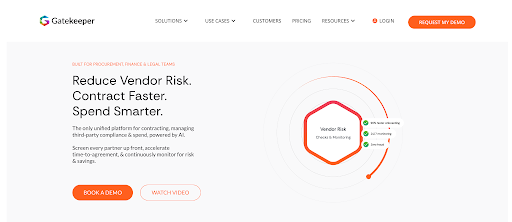
Best for: Unified contracting, compliance, and spend management.
Pros:
– Sole unified platform combining vendors, contracts, and spending.
– Integrated AI layer for automated monitoring without additional add-ons.
– User-friendly with a focus on fast usability and value.
Cons:
– Lacks a full Procure to Pay suite for those replacing legacy ERP.
Summary:
Gatekeeper uniquely unifies contracting, compliance, and spend management. Unlike point solutions handling individual disciplines, Gatekeeper provides a singular system, offering one audit trail for every contract, third party, and financial commitment. Built-in AI, LuminIQ, automates monitoring, scoring, and alerting seamlessly.
2. Coupa
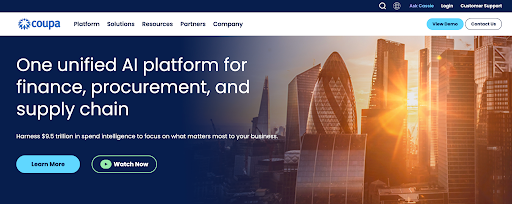
Best for: Extensive procure to pay workflow automation.
Pros:
– Strong integration with SAP and Oracle ERP systems.
– Effective audit trails for financial tracking.
Cons:
– Overly complex and expensive for companies not needing full P2P solutions.
– Customer service often cited as lacking.
Summary:
Coupa is a staple in spend management, great for enterprises revamping financial ecosystems. However, customization challenges are noted, with reliance on external resources for post-setup adjustments and slow customer service responses.
3. Ivalua
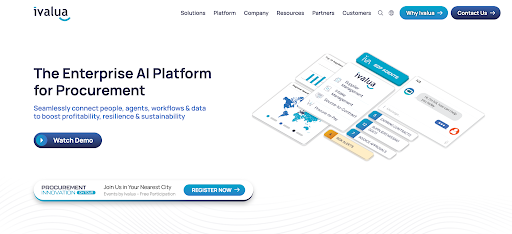
Best for: Manufacturing and complex supply chains.
Pros:
– Effective centralization