
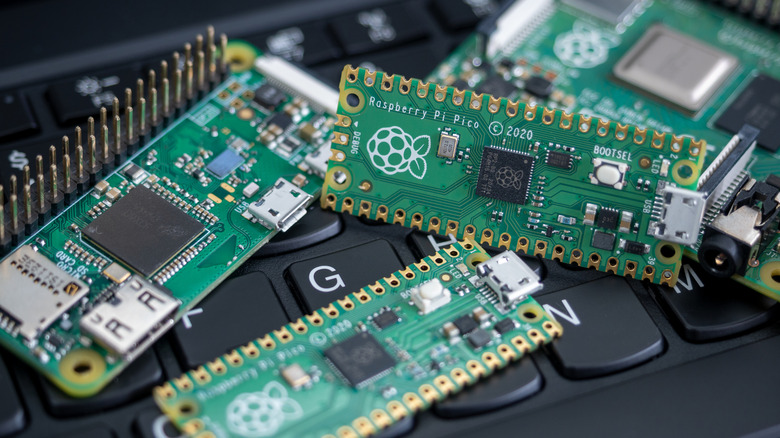

innovative methods to effectively utilize a Raspberry Pi. While they may not be the most robust hardware available, for those enthusiastic about creating DIY projects, these compact, single-board computers prove to be highly efficient. Over the years, they’ve garnered popularity among technology aficionados, DIY supporters, and educators due to their adaptability and cost-effectiveness. The mission of Raspberry Pi’s organization is to “provide high-performance, affordable, general-purpose computing platforms to enthusiasts and engineers globally.” It’s fair to conclude that the organization has achieved this goal, as evidenced by the widespread acceptance of its microcontrollers. Nevertheless, the ongoing memory crisis, partly driven by the needs of AI data centers, has complicated the company’s efforts to keep its prices historically low, although it is striving to mitigate the effects of the shortage on its product offerings.
If you’ve been monitoring the situation with RAM shortages, you’ve certainly noticed the number of companies that have increased their product prices in response. Nintendo even stopped offering its $499 Nintendo Switch 2 “Mario Kart World” bundle due to RAM limitations. Similarly, Sony has raised the cost of its PS5 consoles for the second time in less than a year, and Samsung recently increased the prices of its tablets, smartphones, and laptops by up to $300 in the U.S. This crisis has also impacted Raspberry Pi, prompting the company to announce multiple price increases on its available products to counteract the rising memory costs. Clearly, no products are exempt from the negative effects of RAM shortages on pricing— not even cherished Raspberry Pis.