
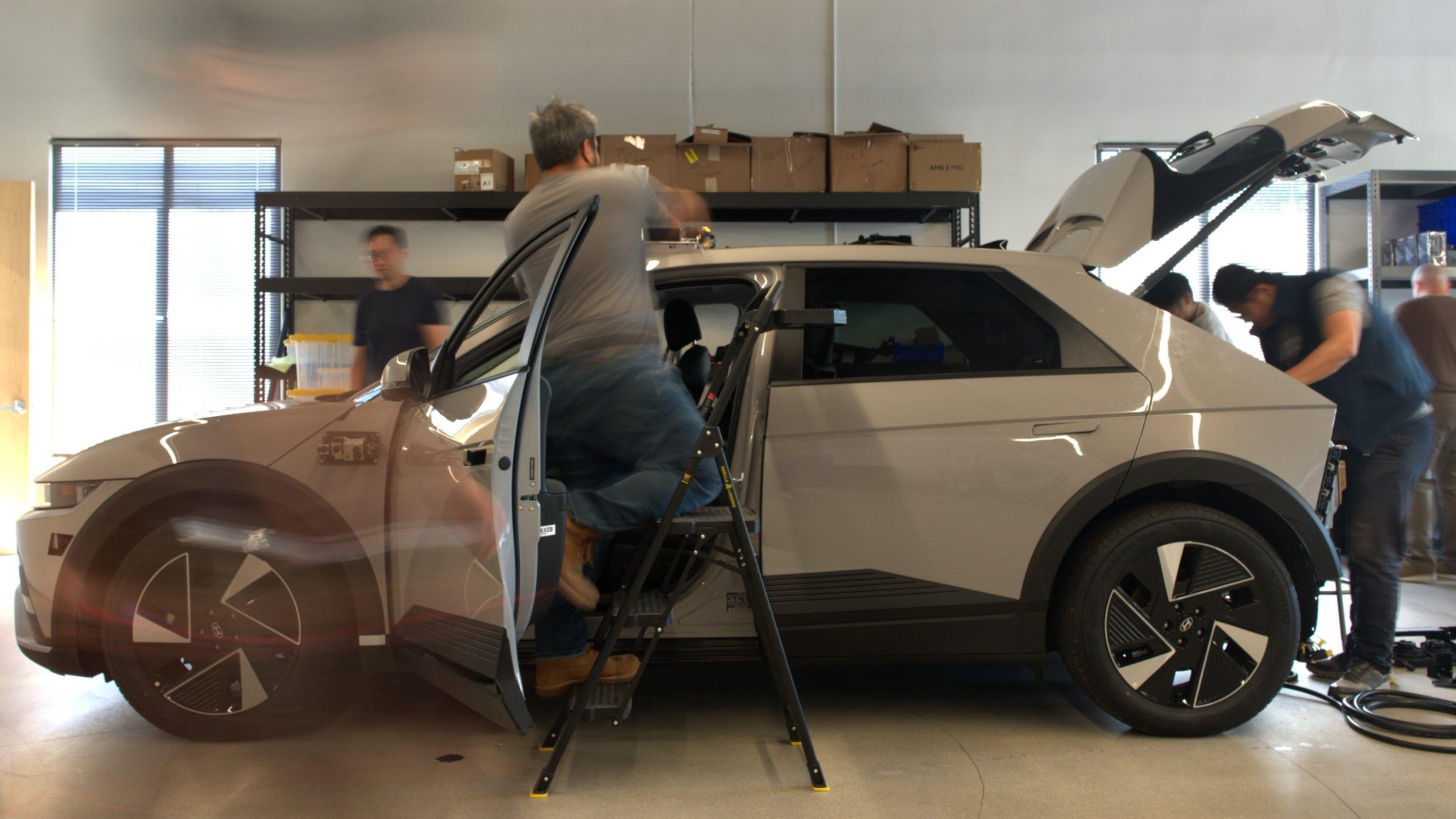

The company has a vehicle equipped with autonomous driving hardware to gather data for Uber’s robotaxi partners.
Uber is deploying its autonomous vehicles to collect data under its new AV Lab project. These vehicles, featuring sensors typical of self-driving cars, will not act as robotaxis but will gather data for Uber’s numerous robotaxi collaborators.
This move is significant, considering Uber’s past challenges with autonomous cars. Uber divested its autonomous vehicle division in 2020 following a fatal incident involving a self-driving car. Since then, Uber has partnered with numerous AV startups, aiming to be a central platform for the technology rather than a direct developer.
These startups seek data, leading Uber to mobilize a fleet with autonomous driving hardware on its ridehail network. The vehicles, manually driven, will earn revenue through regular Uber trips, as stated by Balaji Krishnamurthy, Uber’s CFO. Crucially, they will gain exposure to diverse scenarios handled daily by its network, which completes 40 million trips a day.
Krishnamurthy pointed out that AV operators need at least 10 million miles of data for their initial public driverless operations. Consequently, Uber’s new AV lab fleet will contribute at least 2 million miles each month by year-end, with plans for expansion in 2027.
Initially, the project starts with one Hyundai Ioniq 5, though Uber executives mentioned potential changes in the model. Data will be freely available to Uber’s partners such as Wayve, WeRide, Nuro, Waabi, and others. This gesture recognizes that not all AV developers possess the financial resources of giants like Waymo or Tesla and might benefit from alleviated costs in launching commercial services.
Earlier, Uber introduced “Uber Autonomous Solutions” to offer varied services to its robotaxi partners, including training data from its expansive fleet in multiple cities. This initiative aims to aid partners in enhancing their autonomous vehicles, accelerating their robotaxi business growth.