
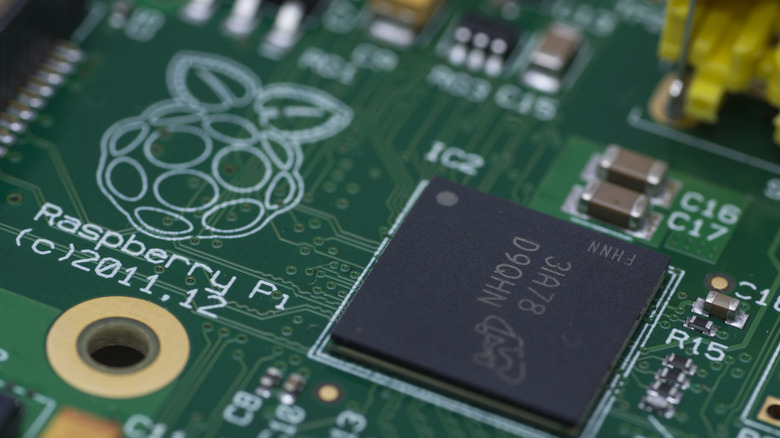

some simple and straightforward projects for beginner users, such as setting up an HTPC, creating smart home gadgets like intelligent photo frames, and establishing your own web server. You can also opt for a more traditional approach and construct a mini PC, even one capable of running Steam games, for gaming on a desktop or in the living room. However, while the adaptable, highly modular chipset holds promise in that area, the issue of longevity arises. On average, how long do Raspberry Pis endure, according to their owners and users?
They do not come with cooling solutions, so you will need to provide your own components, such as a fan or heatsink, if required. Additionally, there are numerous methods to set up a Raspberry Pi, and in tight spaces like enclosures or boxes, it may produce additional heat. Extended and excessive heat can lead to damage. Thus, it is a pertinent inquiry.
Raspberry Pis can last anywhere from seven to ten years, based on their usage, frequency of that usage, cooling methods, and quality of power. When compared to the average lifespan of a mini PC, which is about four to six years, and the average lifespan of a conventional desktop PC, ranging from five to seven years, this is quite reasonable. The seven-to-ten-year range also aligns with user feedback on the topic. Many users report that their Pis have lasted that long, or even longer, operating continuously. It also depends on how intensively the card is utilized (i.e., the typical performance load) and whether the provided power is stable and dependable.