John Baldwin on FreeBSD – Software Engineering Daily

FreeBSD is one of the longest-running and most influential open-source operating systems in the world. It was born from the Berkeley Software Distribution in the early 1990s, it has powered everything from high-performance networking infrastructure to game consoles and content delivery networks. Over three decades, it has evolved through major architectural shifts, from symmetric multiprocessing

The post FreeBSD with John Baldwin appeared first on Software Engineering Daily.

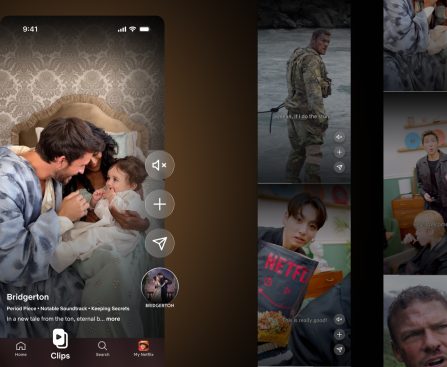
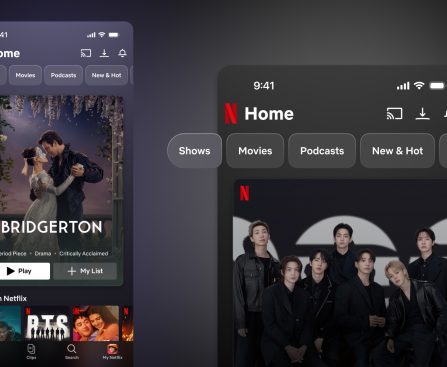
Here’s what Netflix’s new vertical video feed is like

Netflix is starting to roll out a big revamp of its mobile app, and a central feature is a new vertical video feed called “Clips” where you can scroll through clips of shows, movies, and other Netflix content. The idea of the Clips feed is that it can help you discover new things to watch […]

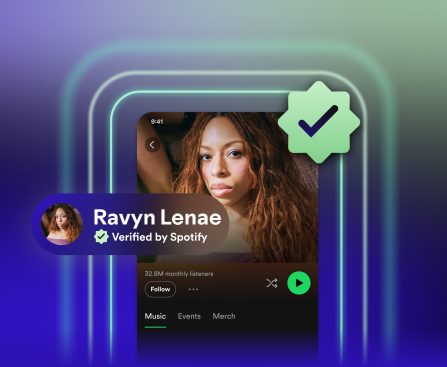
The Verified by Spotify badge confirms this artist is human, not AI.

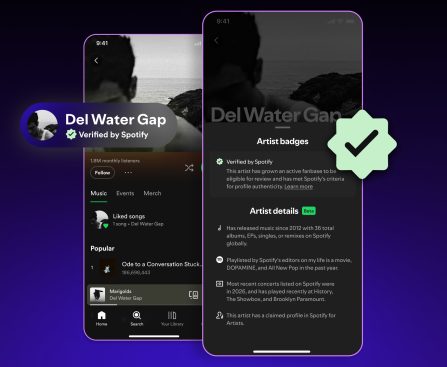
Spotify is launching a new verification program to combat spam, fakes, and AI. Some artists will now have a “Verified by Spotify” badge and a green checkmark on their profile, indicating that the company has confirmed a real person is behind the music and the profile. At least at launch, Spotify says that AI personas […]

Spotify Unveils Verified Artist Badges to Differentiate Humans from AI

As AI-generated artists and tracks flood music streaming platforms, Spotify is rolling out a new “Verified by Spotify” badge to help listeners more easily identify authentic human artists. To receive the badge, artists must meet certain criteria. Spotify looks for an identifiable artist presence both on and off platform, like concert dates, merch, and linked […]

“Debatable Creature Film Featuring Matt Damon and Pedro Pascal Rises in Popularity on Prime Video”

more than $900 billion attempting to rescue) debuted amidst a whirlwind of debate. Titled “The Great Wall”, the movie takes place on and around the Great Wall of China in a reimagined 11th century where rampaging creatures endanger the world every sixty years. The uproar focused mainly on Damon’s casting in a part that many felt should have been given to a Chinese actor due to the location and historical background. The director asserted that the role wasn’t imagined with a Chinese actor in consideration and that, out of the five main heroes in the film, four are Chinese.

That being said, I wouldn’t be very shocked if you’ve never heard of “The Great Wall”. Though it performed decently at the box office, grossing $334,486,852 globally against an estimated budget of $150 million, the majority of that revenue was from international markets. In the domestic arena, it made just over $45 million and received scathing reviews, accumulating a 35% from critics on Rotten Tomatoes and a 42 on Metacritic.

Nevertheless, the film has recently experienced a resurgence. As of April 30, “The Great Wall” ranks number 7 on the top 10 Amazon Prime films in the United States, according to Flixpatrol.com. The film appeared on April 21st and has been moving around the lower tiers since.

The convergence of historical fiction and alien fantasy

<div class="slide-key image-holder gallery-image

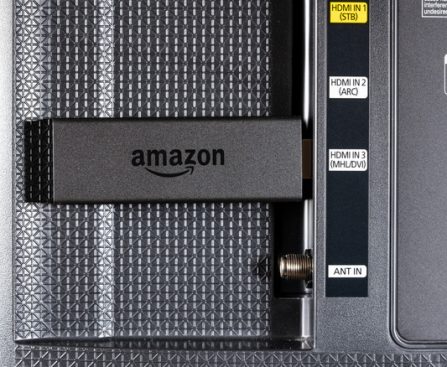
The Compromises of Opting for Budget Streaming Devices Instead of High-End Choices

living room smart TV or AV receiver, leading streaming devices serve as a prime example of equipment that can be very inexpensive or quite pricey.

Companies like Amazon, Roku, Google, and Apple produce some of the top streaming boxes available in retail and online marketplaces. While these brands typically maintain a consistent operating system across their devices, Device A, which costs merely $15, won’t perform identically to Device B, priced at $100, despite both being powered by Fire TV or tvOS. This discrepancy arises from several features and settings that are exclusive to high-end streaming devices.

You may be curious about what the actual differences are between a low-cost and a high-end streamer. Drawing from our experience and investigation, we’ve distilled the answer into four key areas: performance and storage, lifespan and ongoing support, picture and audio quality, and additional features.

Performance and storage

Similar to an ordinary computer, a streaming device contains a processor, RAM, and integrated storage. The kind of processor, as well as how much memory and storage the device possesses, are three primary factors that distinguish economical streamers from more sophisticated models. Lower-cost options — like the Amazon Fire TV Stick line and Roku Streaming Stick 4K Plus — employ simpler processors.

If you’re only utilizing one or two applications for streaming films and television shows, a more basic CPU should suffice. The challenges arise with app multitasking and smart home integration, where a slower chip may begin to struggle. Signs of this may include interface