
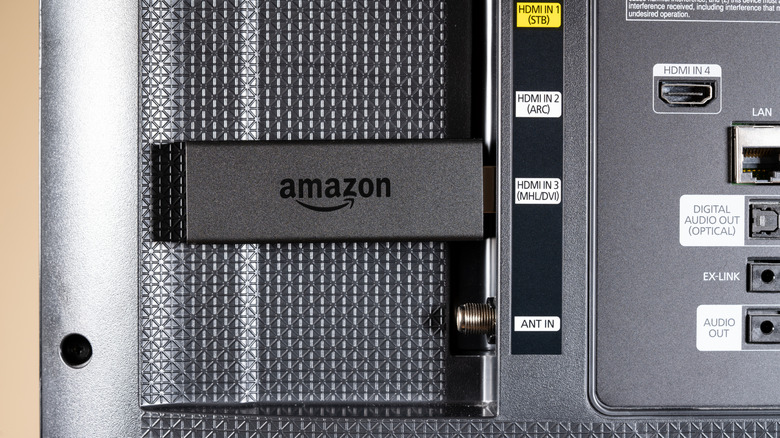

living room smart TV or AV receiver, leading streaming devices serve as a prime example of equipment that can be very inexpensive or quite pricey.
Companies like Amazon, Roku, Google, and Apple produce some of the top streaming boxes available in retail and online marketplaces. While these brands typically maintain a consistent operating system across their devices, Device A, which costs merely $15, won’t perform identically to Device B, priced at $100, despite both being powered by Fire TV or tvOS. This discrepancy arises from several features and settings that are exclusive to high-end streaming devices.
You may be curious about what the actual differences are between a low-cost and a high-end streamer. Drawing from our experience and investigation, we’ve distilled the answer into four key areas: performance and storage, lifespan and ongoing support, picture and audio quality, and additional features.