
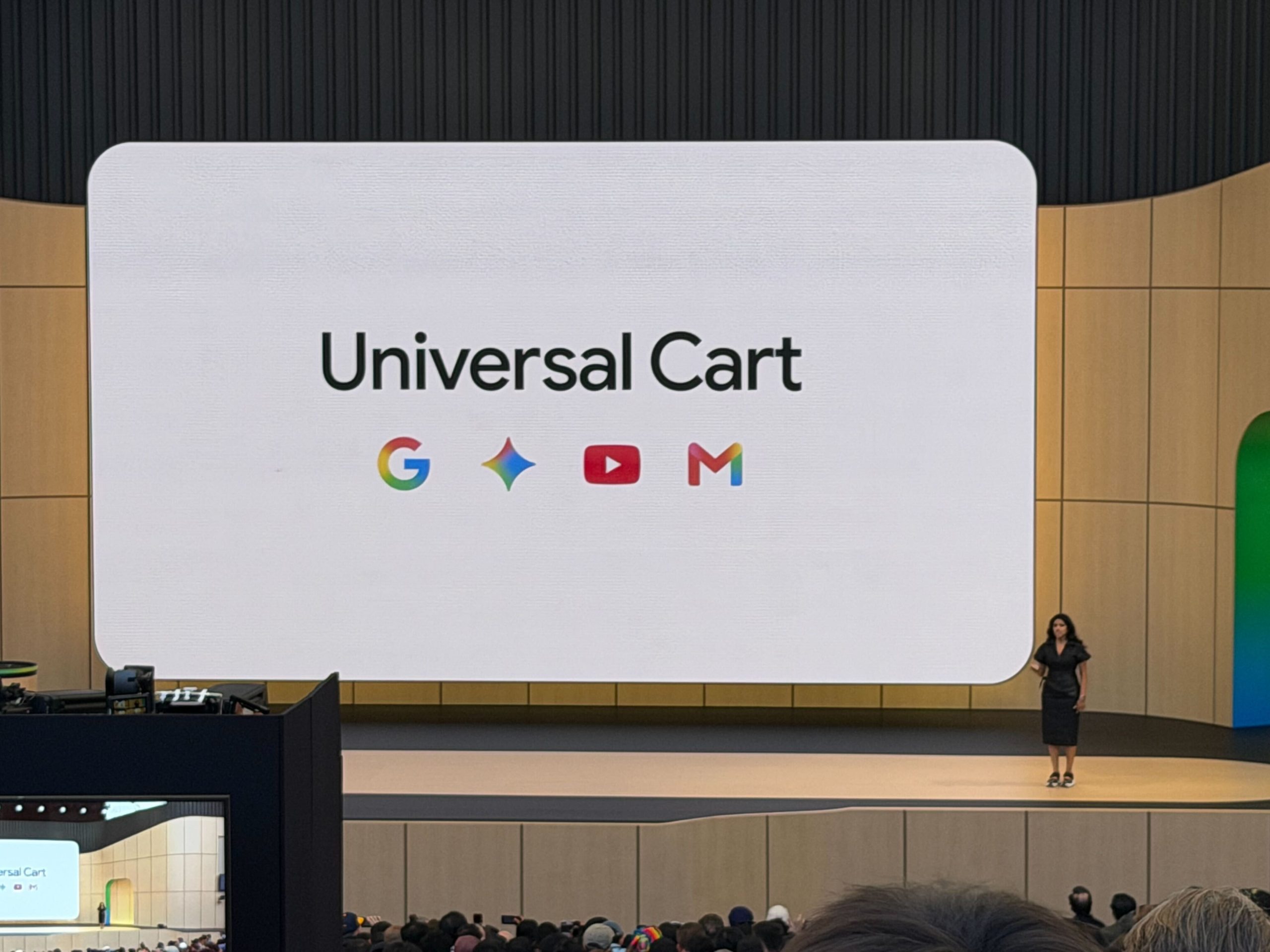

During Tuesday’s I/O event, Google unveiled Universal Cart, a central hub for managing shopping activities. Additionally, updates to the Agent Payments Protocol (AP2) were introduced, with plans to integrate this technology into Google products soon. This will allow AI agents to make purchases on behalf of users.
These announcements highlight Google’s effort to transform AI assistants into proactive players in e-commerce. By introducing a unified shopping system and an infrastructure that allows software agents to finalize purchases independently, Google aims to oversee more of the shopping experience, impacting the relationship between consumers and competing merchants.
Universal Cart lets users gather products they’re interested in from various Google platforms—Search, Gemini chat, YouTube, or Gmail. Once added, the cart tracks deals, notifies on price changes, provides price insights, and alerts when items are restocked.
Built on Google’s understanding that people shop across multiple devices and retailers over several days, this feature enhances decision-making with AI. For instance, if assembling a custom PC, parts from various sellers can be added to a single cart; Google can detect compatibility issues and suggest alternatives.
For travelers or those maximizing rewards, the feature uncovers hidden savings and optimizes reward points via Google Wallet.
Thanks to the Universal Commerce Protocol (UCP), users can check out directly through Google or shift purchases to merchant sites.
Universal Cart is launching in the U.S. today and will soon be available on the Gemini app, followed by YouTube and Gmail. UCP is also expanding to new categories such as hotels and food delivery, with plans to reach Canada, Australia, and eventually the U.K.
More impactful is the announcement of AP2, a protocol allowing AI agents to securely handle user payments within set limits. At I/O, Google explained the user-configured safeguards, including brand/product choices and spending caps, with the agent making automatic purchases under those conditions.
AP2 will soon integrate into Google’s products, enabling the company to see consumer activity from discovery to purchase, holding a commercial influence that retailers and payment processors will scrutinize.
AP2 establishes a secure, transparent connection between users, merchants, and payment processors, with encryption ensuring data protection. It features tamper-proof records that affirm the agent acts in the user’s interest and maintains a permanent audit trail for reference in returns or disputes.